Category Archives: Articles

Resilience, Repairability, and the Rise of the ‘Quiet Premium’: Navigating the 2026 SDA Landscape

While the wider economic climate remains cautious, the UK’s Small Domestic Appliance (SDA) sector is proving that it’s more than just a ‘nice-to-have.’ With the market on track to reach £3.7 billion by the end of the decade, we look at the trends from Gen X spending power to the circular economy that are defining the retail winners of 2026.

The kitchen counter is currently the most hard-fought real estate in the British home. Following several years of volatile consumer confidence, the Small Domestic Appliance (SDA) market has emerged not just intact, but as a primary driver of retail growth. Valued at £2.8 billion in 2025, the sector is projected to climb toward £3.7 billion by 2030.

But for retailers, the “how” and “why” of purchasing has fundamentally shifted. As we move deeper into 2026, success is no longer about simply stocking the latest viral gadget; it’s about meeting a more disciplined, value-conscious, and tech-literate consumer.

The Demographic Tug-of-War

The digital transformation of the sector is undeniable, with 73% of UK SDA purchases now taking place online. This shift is spearheaded by the 16–34-year-old demographic, whose reliance on social commerce and peer reviews has turned “value-hunting” into a high-speed digital sport.

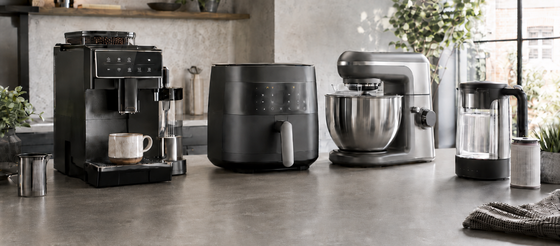
However, smart retailers are keeping a close eye on the “Quiet Powerhouses”: Generation X. While younger shoppers dominate the online traffic, those aged 45–60 are currently the highest-spending segment globally. This group is less likely to buy on impulse but far more likely to invest in premium upgrades high-end bean-to-cup coffee machines, cold press juicers, and professional-grade mixers even when their current appliances are still functioning. For this group, the “upgrade” is a lifestyle choice rather than a necessity.

Beyond the App: Innovation That Earns Its Keep

We have moved past the era of “smart for smart’s sake.” In 2026, consumers are looking for innovation that solves genuine pain points: energy costs and longevity.

  1. AI-Powered Maintenance: One of the most significant shifts is the move toward “self-healing” tech. Manufacturers are increasingly integrating AI diagnostics that alert users to maintenance needs before a breakdown occurs. This builds a level of trust that is essential for premium price points.
  2. The Urban Footprint: As single-person households and urban living increase, there is a surge in demand for compact, multi-functional design. Space is a premium commodity, and appliances that can air-fry, steam, and slow-cook within a single, sleek footprint are winning the battle for the countertop.
  3. The Connected Ritual: IoT is finding its home in ritualistic appliances. We are seeing high demand for smart water purifiers and coffee machines that don’t just “turn on” via an app, but utilise cloud computing to perfect and automate a user’s specific preferences.

The Circular Opportunity

Perhaps the biggest opening for UK retailers right now lies in the “Circular Economy.” Sustainability has moved from a marketing buzzword to a core purchase driver. Build quality and energy efficiency are now top-tier concerns for the UK shopper, largely driven by the long-tail effects of the energy crisis.

Retailers who offer trade-in programmes, refurbished lines, and crucially DIY repair options are finding a double-win: they appeal to the eco-conscious Gen Z while providing a budget-friendly entry point for price-sensitive households. Building a “repair over replace” narrative is no longer a threat to sales volume; it is a way to build lifelong brand loyalty.

Driving Growth in a “Deferred” Market

Data from the start of the year shows a clear trend: the UK consumer is becoming a master of the “wait and see.” Many are deliberately deferring big-ticket purchases until tactical promotional windows, such as January clearance or targeted spring campaigns.

For the physical high street, the challenge is clear. With footfall fluctuating, the store must become an “experience centre” rather than a warehouse. To protect margins and combat the threat of global supply chain shifts, there is a growing appetite for “Made in the UK” branding. Highlighting local manufacturing and robust build quality provides a sense of security that imported, unbranded alternatives cannot match.

The Bottom Line

The SDA market in 2026 is defined by a “flight to quality.” Whether it’s a Gen X shopper looking for a professional-grade morning espresso or a young renter looking for a repairable, multi-functional air fryer, the demand is there. Retailers who lean into experiential stores, transparent pricing, and the circular economy will find that while the consumer is more cautious, their appetite for genuine innovation is stronger than ever.

To read the full published article by Rupert Cook, Marketing Director, please visit Housewares Magazine

Tagged , , , , , , , , , , , ,

Navigating the Great Retro Revival

There was a time, not so long ago, when the “home of the future” was envisioned as a sterile, white-on-white laboratory. It was a world of hidden wires, touch-sensitive glass, and appliances that looked more like medical equipment than domestic companions. But walk into any stylish UK home in 2026, and you’ll find a very different story unfolding. The clinical minimalism that once dominated our Pinterest boards has been unceremoniously evicted, replaced by what design experts are calling “Eclectic Maximalism.”

For those of us in the electrical retail and trade sector, this isn’t just a shift in wallpaper choice. It is a fundamental pivot in how consumers view the hardware in their lives. Design is no longer a secondary consideration to be checked off after the spec sheet; for the modern consumer, design is the spec sheet. We are witnessing a “Retro Revival” that blends the warmth of the past with the intelligence of the future, and the opportunities for retailers are as vibrant as a cherry-red fridge.

Minimalism to Personality

The UK’s living rooms are currently undergoing a fascinating transformation. We are seeing a move away from the “buy it new, hide it away” mentality toward a more curated, character-rich aesthetic. The data tells a compelling story: the UK’s second-hand furniture market is on a trajectory to hit £1.1 billion by 2027. This represents a staggering 40.8% growth since 2022.

Why does this matter to the CE (Consumer Electronics) industry? Because the backdrop against which our products sit has changed. Consumers aren’t looking for a television or a speaker that blends into a white wall; they are looking for pieces that complement a “vintage maximalist” vibe, a search term that has spiked by 260% recently.

When a customer spends thousands on a mid-century sideboard or a refurbished 1970s velvet sofa, they don’t want a plastic-heavy, utilitarian piece of tech sitting on top of it. They want hardware that feels like furniture. This is the era of the “statement piece.” Retailers who understand this shift are no longer just selling gadgets; they are selling the finishing touch to an interior design dream.

Vinyl and Beyond

Nowhere is this nostalgia more evident than in the home entertainment sector. If you had told a tech analyst twenty years ago that in 2025, vinyl records would account for nearly 63% of all physical music sales, they would have laughed you out of the boardroom. And yet, here we are.

The UK vinyl market saw a massive 19.9% year-on-year increase in 2025, generating £174.7 million. This isn’t just a niche hobby for audiophiles anymore; it’s a mainstream cultural phenomenon. The tactile nature of physical media has returned with such force that even cassette tapes, a format many of us thought we’d left in the glovebox of a 1988 Ford Sierra, saw a 204.7% surge in early 2025.

But here is the most interesting part for the retail trade: 50% of people who bought a vinyl record in the UK last year did so as a collector’s or display item, without actually owning a record player. This highlights a critical insight: the aesthetic of the tech is often as valuable as its function.

However, for those who do want to listen, the demand for hardware is following suit. We’re seeing a boom in turntables and radios that look like they’ve been plucked from a 1950s diner but house high-fidelity internals. Take the radio market as a prime example. While analogue AM/FM listening has plummeted to 19%, DAB has become the titan of live radio, accounting for 48% of listening hours. The winning formula for retailers today is “Vintage Shell, Modern Soul” DAB radios with wood-grain finishes, tactile dials, and cloth speaker grilles that nonetheless offer seamless Bluetooth connectivity and crystal-clear digital reception.

The Kitchen Revamp

If the living room is the soul of the home, the kitchen is the heart, and currently, that heart is beating in full colour. For years, “safe” was synonymous with white or light grey cabinetry. Those days are over.

According to the latest Houzz UK Kitchen Trends Study, we are rapidly abandoning the clinical look. Grey still holds a lead at 21%, but blue (17%) and green (13%) are catching up fast. Interestingly, the UK has developed a particular love affair with green kitchens, leading the way in Europe. This shift toward deeper, more organic tones is creating a massive demand for appliances that can either contrast or complement these bold choices.

Enter the “Cherry Red” vibe. Identified as a major design trend for 2025 and 2026, this bold, retro-inspired shade is becoming the ultimate statement colour for small domestic appliances (SDAs). When a consumer invests in a kitchen renovation where the median spend has risen by 34% year-on-year, they aren’t looking for a £15 supermarket toaster. They are looking for the “cherry on top” of their £20,000 investment.

The SDA market is currently a powerhouse, valued at £2.8 billion in 2025 and forecast to hit £3.7 billion by 2030. This growth is being driven by design-led, multi-functional models. Consumers are looking for that perfect intersection of a retro silhouette, think rounded edges, chrome levers, and analogue temperature gauges and “smart” functionality.

The “Thrifty” High-End Consumer

One of the most surprising trends we’ve identified at Gekko is the rise of the second-hand kitchen. Much like the furniture market, there is a growing movement toward purchasing high-quality, pre-owned kitchen furniture. This is driven by a mix of sustainability concerns and a desire for “eclectic styling” that you simply can’t get from a flat-pack showroom.

For the electrical retailer, this presents a unique challenge and opportunity. A customer who has saved money by sourcing a high-end second-hand kitchen often has more “headroom” in their budget for premium, brand-new appliances. They want the vintage look of the cabinetry to be punctuated by the reliability and efficiency of modern technology. They are looking for the contrast of wood or laminate worktops (which hold a 14% market share) against the sleek, colourful pops of a retro-style kettle or a high-end range cooker.

Navigating the Retail Landscape

With 73% of UK consumers now choosing to purchase SDAs online to compare styles and prices, the role of the physical showroom has never been more vital or more pressured. To compete, the high street must lean into the “theatre” of the Retro Revival.

Online shopping is efficient, but it is rarely emotional. You cannot feel the weight of a chrome lever or see the way a “Cherry Red” finish catches the light on a digital screen. Retailers need to move away from “aisles of boxes” and toward “lifestyle vignettes.” Show the customer how that DAB radio looks on a mid-century sideboard; show them how the green cabinetry pops against a copper-trimmed toaster.

Final Thoughts

The “Retro Revival” is more than just a trend; it is a reaction. In an increasingly digital, intangible world, consumers are hungry for things they can touch, feel, and connect with. They want the reliability of 2026 technology, but they want it wrapped in the comfort and character of the past.

As we look toward 2027 and beyond, the winners in our industry will be those who recognise that we aren’t just selling “units.” We are selling the components of a home. Whether it’s a vinyl enthusiast looking for a deck that matches their “vintage maximalist” lounge, or a home cook looking for a stand mixer that serves as a piece of art on their green marble worktop, the message is clear:

Design isn’t just “everything”, it’s the only thing that makes a house feel like a home.

To read the full published article by Rupert Cook, Marketing Director, please visit ERT Magazine

Tagged , , , , , , , , , , , ,

Unlocking Online Growth

Time is something most business and running a website can feel like another major task. Yet in today’s connected world, it’s essential. Your website is at the heart of your brand, shaping customer perception and driving both online and in-store sales.

The UK is one of the world’s busiest e-commerce markets, with over 90 per cent of internet users shopping online. Online sales now account for 28.2 per cent of total retail, and this continues to grow.

Mobile is key, generating nearly 80 per cent of traffic and over half of purchases. If your site isn’t fast, clear and mobile-friendly, you risk losing customers.

Reducing day-to-day admin

Running a transactional website brings constant admin, from updating stock and prices to handling customer queries. For independent retailers, AI is becoming a powerful way to manage this workload.

Tasks like checking stock, writing product descriptions and answering routine emails can take hours each week, limiting time for business growth. AI tools such as automated stock management and chat assistants can reduce admin by 20-30 per cent, according to McKinsey & Company.

By working smarter, retailers can compete with larger chains. AI can generate product content instantly and handle common customer queries, freeing up staff to focus on higher-value tasks like customer relationships and sales. Another major time and profit product returns. Each return requires inspection, cleaning, repackaging and system updates, placing pressure on staff and resources.

In the UK, 71 per cent of online shoppers return items, with total returns expected to cost businesses £27 billion. To manage this, many retailers are rethinking their policies. Free returns are declining, with over 35 per cent of major fashion brands now charging, and 42 per cent of UK retailers applying return fees. This shift helps offset rising logistics costs and discourages excessive ordering, protecting already tight margins while reducing the operational burden of handling returns. For retailers with both physical stores and websites, creating a seamless experience is essential. Customers don’t see separate channels, just one journey with your brand. In fact, 83 per cent of UK consumers prefer a mix of online and in-store shopping, according to Bazaarvoice.

Click and Collect plays a key role in connecting the two. It allows customers to shop online and pick up in store, saving on delivery while increasing footfall. Importantly, it also drives additional sales, with 85 per cent of shoppers making extra purchases when collecting orders. Blending online convenience with in-store experience turns digital engagement into valuable in-person revenue.

Sustainability and shopper behaviour

Sustainability is becoming a growing influence on UK shoppers, and retailers can use this to drive both sales and cost savings. Simple prompts at checkout highlighting environmental benefits can shift behaviour, with Click and Collect rising to 71 per cent when carbon savings are shown, compared to 40 per cent without.

At the same time, a smooth checkout is critical. Basket abandonment is often caused by slow or complicated payment processes. Digital wallets are now widely used, with 57 per cent of UK adults relying on options like Apple Pay and Google Pay. Offering fast, one-click payments is no longer optional — it’s essential to secure sales from today’s convenience-driven shoppers.

If you are looking to find new chances online, you cannot ignore social media sales in 2026. Social media apps have moved fast from just being places to show off your brand to becoming very effective places to sell directly. Around 1.5 million UK businesses now use platforms like TikTok Shop, while 56 per cent of consumers have bought products through social apps — rising to 73 per cent among under-45s, according to Retail Economics.

This removes the gap between discovery and purchase, creating new revenue opportunities.

Ultimately, running a successful e-commerce business requires constant adaptation. By reducing admin with smart tools, simplifying payments, and connecting online, in-store and social channels, retailers can build websites that drive sales around the clock and keep pace with evolving customer expectations.

To read the full published article by Callum Puffett, Digital Marketing Manager, Gekko Group, please visit ERT Magazine

Tagged , , , , , , , , , ,

A Clean Sweep

Running an independent retail shop in 2026 is no small feat. With consumers watching their wallets closely, discretionary spending can feel like a tough nut to crack. However, the floorcare sector remains a major bright spot that offers incredible potential for those willing to adapt. Over the past few years, the way we clean our homes has completely transformed, shifting from manual chores to highly automated systems.

The vacuum cleaner market is projected to reach a value of £283.9 million in 2026, growing at a remarkably steady pace. Within this space, specific high tech segments are accelerating rapidly. The robotic vacuum cleaner segment alone is forecast to expand at a 6.12% compound annual growth rate through to 2031. On a broader scale, the robotic vacuum market is expanding globally and is expected to hit a valuation of £10.9 billion in 2026.

For independent retailers, this presents a golden opportunity. Online giants currently command a large portion of the sector, but physical stores have a unique advantage. You can offer the tactile and interactive experience that an algorithm simply cannot match. Here is how you can demonstrate the benefits of 2026’s top cordless cleaners and robot vacuums to sweep up those sales.

Cordless Vacuums

The cordless vacuum has evolved from a secondary quick clean tool into the main household workhorse. The cordless segment is racing ahead and expanding at a 5.55% compound annual growth rate, signalling a broad consumer shift towards grab and go cleaning.

Here are the standout 2026 products you need to have on your shop floor:

  • Miele Duoflex HX1 Cat and Dog: A favourite for allergy sufferers, using an automatic power adjustment sensor to prolong battery life while maintaining deep carpet agitation.
  • Dyson V16 Piston Animal: Featuring a new conical floorhead design and a generous 1.3L bin capacity, it targets the high end consumer looking for power without the cord.
  • Shark PowerDetect Clean and Empty: A massive draw for pet owners. It features an automatic emptying base station that holds debris for up to 30 days.

The key is having your offering in a demo ready state. Get the product into the hands of the shopper and let them discover for themselves, the feel, the weight and the capabilities. Create an interactive mess station. Scatter some artificial pet hair or dried rice on different floor types. Back this up with knowledgeable input from sales advisors who can talk about stand out features and make worthwhile recommendations based on customer needs. Letting the customer test the product builds confidence and easily justifies the premium price tag. If product is simply stuck on the shelf, then price will dominate the decision making.

Robot Vacuums

Robot vacuums have shifted from novelty gadgets to essential home appliances. The technology this year is all about advanced AI, hybrid mopping, and zero maintenance. Globally, residential applications account for a massive 78% share of the robotic vacuum market in 2026, driven by the universal need for daily floor maintenance.

Key models driving the market this year include:

  • Dreame X60 Max Ultra Complete: Billed as one of the thinnest smart vacuums on the market at just 7.95cm tall, this ultra sleek flagship glides under low furniture with ease. It also features a boiling 100°C mop washing station and a clever ProLeap system that lifts the robot over tricky floor thresholds.
  • Eufy X10 Pro Omni: A versatile all rounder that uses LiDAR and AI powered obstacle avoidance to navigate complex living rooms.
  • iRobot Roomba J9+: Known for its Dirt Detective technology, which prioritises the messiest rooms based on previous cleaning history.
  • Ecovacs Deebot X8 Pro Omni: A high end hybrid featuring a self cleaning roller mop that refreshes itself as it works, preventing cross contamination across different rooms.

The biggest barrier to entry for robot vacuums is the setup process. Older or less tech savvy customers often feel intimidated by mapping software and WiFi pairing. You can stand out by offering a premium white glove setup service. Visit their home, map the rooms and set up the zoning on their smartphone. This level of personalised service is exactly why shoppers choose local independents over anonymous online retailers.

Turning Footfall into Floorcare Sales

Now is the perfect time to finalise how you communicate these benefits to your local community. As an independent retailer, your greatest strength is knowing your customers better than anyone else. While the time saving advantages of smart machines are profound, relentlessly pushing a robot vacuum will not go down well with everyone.

A high tech Dreame X60 Max might be the perfect fit for a busy young professional with open plan hard floors, but a lightweight cordless model like the Miele Duoflex could be much better suited to a customer with a highly cluttered home or someone who simply prefers a traditional cleaning routine. Use your shop floor to offer genuine consultations rather than hard sales. Host weekend demonstration events where customers can discuss their specific floorcare challenges and let them test the products themselves to see what feels right in their hands. By focusing entirely on what is genuinely best for the individual shopper and positioning your shop as a destination for trusted advice, you elevate your entire retail brand and build lasting customer loyalty.

Building on that loyalty, a major trend defining 2026 is the growing demand for sustainability and the right to repair. Consumers are increasingly frustrated by disposable electronics and want appliances that will stand the test of time. This plays perfectly into the hands of independent retailers who can offer dedicated aftersales support.

While mass market online stores often only care about the initial transaction, you can build a lasting relationship by stocking replacement HEPA filters, fresh brush rolls, and spare lithium batteries. Offering an annual servicing package for high end robot vacuums or premium cordless models creates a reliable recurring revenue stream. Imagine providing a dedicated maintenance service where you clean the delicate LiDAR sensors on their newly purchased robot, replace the worn mop pads, and check the internal battery health. This proactive approach guarantees that the customer will return to your shop the next time they need to upgrade an appliance.

Furthermore, do not underestimate the profitability of complementary accessories. When a customer commits to a Shark PowerDetect or a Miele Duoflex, they are deeply invested in achieving a cleaner home. This is the perfect moment to introduce supplementary products. Stocking high quality hard floor cleaning solutions, scented vacuum pods, or specialised pet grooming attachments adds genuine value to their daily routine while significantly boosting your overall profit margins.

Finally, none of these physical store experiences matter if the local community does not know they exist. Use your local digital presence to showcase your tactile advantages. Post short videos on your social media channels showing the aforementioned interactive mess station in full swing. Demonstrate the Ecovacs Deebot navigating around a dropped shoe, or show how easily the Dyson V16 lifts embedded pet hair from a thick rug. Make it clear to your audience that your shop is the only place in town where they can get expert advice, receive tailored recommendations, and physically try the products before they part with their hard earned money.

To read the published article by Daniel Todaro, CEO, Gekko Group, please visit ERT Magazine

Tagged , , , , , , , , , , , ,

Footfall Starts Online

For all the talk of AI, automation, and online shopping, the reality on the UK high street tells a remarkably different story. Physical retail remains where the vast majority of our spending happens. In fact, Mintel reports that £7 in every £10 spent in UK retail in 2025 was still spent in-store.

This statistic reveals something vital: people shop for the physical experience. They genuinely enjoy seeing items in person, chatting with knowledgeable staff, and feeling part of something familiar. Shops are part of the rhythm of everyday life, not just transactional spaces. This is particularly true in the considered purchase sector for investment items, where physical reassurance matters.

Searchability

When people search locally, they intend to act fast. The ACS Local Shop Report showed that “Convenience Stores Near Me” searches hit absolute record levels in late 2025. These are high-intent shoppers ready to walk through your door and make a purchase.

Search habits are also shifting. Younger consumers increasingly favour visual social platforms over traditional engines. Around 40% of Gen Z in the UK now use TikTok or Instagram Maps to find local businesses, checking the atmosphere to decide if it is worth a visit.

For retailers, visibility now requires showing up exactly where people are looking, whether on Google, social media, or within local community conversations.

Digital Tools

Digital tools are powerful enablers of local engagement, rather than direct replacements for physical retail.

Location-based mobile advertising seamlessly connects businesses with nearby consumers at their highest point of intent. By targeting mobile users within a tightly defined radius, businesses reach customers who are ready to act, significantly increasing footfall. For example, geo-targeted Facebook ads for an IKEA store resulted in a 31% uplift in store visits among younger audiences and an 11% increase overall, definitively proving the effectiveness of hyper-local targeting.

Geofencing works similarly by creating virtual boundaries around physical locations, allowing businesses to deliver timely, relevant messages to people already within walking distance. Based purely on geographic proximity and intent, this is far more likely to convert into real-world visits than traditional digital advertising.

Targeting

To stand out, smaller retailers must ditch the polished corporate playbook. According to Dentsu, 54% of younger shoppers now actively listen to peer recommendations over aggressive brand promotions. This has heavily fuelled “Mischief Marketing” and radical transparency, as reported in VistaPrint’s Small Business Trends. Posting candidly about delivery mishaps or product flops humanises the brand and builds massive local goodwill.

Another highly effective, low-cost tactic is the “Odd Couple” collaboration, highlighted by Vistaprint. Teaming up with a completely different, non-competing local business, such as an estate agent partnering with a bakery to provide “New Home Welcome Boxes” filled with fresh sourdough, or a run club ending at the independent pub next door, cross-pollinates loyal audiences and strengthens the entire high street.

SEO / AEO

Local SEO is also rapidly evolving. Traditional keyword stuffing is making way for Answer Engine Optimisation (AEO), as people increasingly ask AI voice assistants full questions, according to Echo Web Solutions. Retailers can easily adapt to this by creating dedicated FAQ pages answering hyper-local questions, such as exactly where to recycle batteries or park for free in your specific town. Providing these community-focused answers positions your business as a trusted local authority that AI tools will actively cite, letting you capture local intent through proximity tactics.

Conclusion

Ultimately, the future of retail firmly belongs to the community. While price once dictated everything, a profound loyalty shift has occurred. Today, a staggering 63% of UK shoppers say they actively prefer small local businesses, according to DJS Research. Furthermore, Metro Bank reports that 64% of shoppers visit local independent businesses at least once a week, with their main reasons being keeping money within the community (70%) and preserving community identity (47%).Communities are desperate for their high streets to survive. This completely symbiotic relationship is backed up by the 95% of small business owners who told American Express that community support is the only reason they are still thriving today. Making your gratitude visible is perhaps the easiest and most effective marketing tactic of all. A simple chalkboard outside your shop saying, “Thanks for keeping us open,” goes an incredibly long way. Your local customers are already rooting for you; you just need to invite them in.

To read the published article by Callum Puffett, Digital Marketing Manager, Gekko Group, please visit ERT Magazine

Tagged , , , , , , , , ,

Curating the clutter: How brands can cut-through product overwhelm

Consumers are met with an overwhelming volume of information each day, leading to decision fatigue that can make it difficult to choose products, and even cause them to abandon their shopping baskets altogether. When this happens, shoppers are more likely to stick to a well-known brand or pick up the first thing they see – so brands need to stand out.

Curate the clutter

To be a category leader – and encourage consumer switching – brands need to be seen and heard for all the right reasons. The features and packaging of the product itself is only one factor in a consumer’s consideration process, with visibility, brand positioning and consistency all playing a significant role in the wider customer journey.

Taking a strategic approach to curating the clutter across digital and physical channels helps consumers to notice and understand your brand, clearly see what your products offer, and appreciate their true value in relation to user need.

Cutting through the online chaos

In contrast to a good physical store, where effort will have gone into curating the offering, online there is often too much choice, leaving many shoppers overwhelmed and having to decipher things for themselves. Many third-party sales platforms are nothing short of chaotic, but their convenience has been a boon for time-poor consumers. These platforms can make comparing products easier for consumers but, with so many options, brands need to go the extra mile to make sure they are firmly in the mix.

Investing in an effective web scraping service, such as GWS (Gekko Web Services) – can help brands to understand their digital performance in granular detail. By monitoring and analysing the digital shelf, GWS offers powerful insights that can drive smarter decisions about pricing and product descriptions.

Pricing

Price remains the main driver of purchases for consumers, and it is mission critical that brands understand how their product pricing compares with the rest of the category. Digital shelf analysis provides the clarity product owners need to make quick and confident decisions based on their brand positioning and in response to market shifts, particularly during discounting periods.

Product descriptions and tagging

Showing up in searches via both search engines and on specific sites requires the right keywords in product descriptions, as well as tagging appropriately in line with retailers’ filters. Monitoring is critical for maintaining a smooth customer journey, ensuring that your brand shows up with consistent messaging that aligns with your brand positioning.

Driving in-store visibility

In the same way that your brand’s digital footprint is vital for online retail, its physical presence in stores is also an important consideration. While few brands have control over shelf positioning, products can attract consumers and increase consideration through clever merchandising and in-store promotions.

Investing in point-of-sale merchandising can often be more valuable than expensive activations elsewhere. Strategically placing promotional materials and displays near the point of purchase can capture attention and encourage consumers to make impulse buys or consider additional products.

Sales promotion continues to be an effective way to engage consumers in store. Recent research from Savanta revealed that, while half (47%) of shoppers have favourite brands, 40% will try something new if a product is on promotion, highlighting how brands can shift consumers’ preferences through strategic and well-timed campaigns.

Consideration through careful curation

Balancing brand presence and driving sales across owned and third-party channels online and in-store is a tall order, especially when competition and complexity only continue to grow.

With a strategic approach, brands can curate the clutter to ensure they stand out from the crowd. Brands that can enhance the customer journey through clarity, consistency, visibility or positioning will be more memorable, and ultimately succeed in a busy and potentially overwhelming retail setting.

To read the published article by Dan Todaro, Gekko Group CEO, please visit Retail Sector

Tagged , , , , , , , ,

Listen Up!

One of the most common traps we see is treating the entire audio market as a single entity. It’s not. In reality, it’s split into two categories. The first is the hypervolatile world of personal audio. Here, trends in wireless earbuds and portable speakers move like fast fashion; a feature like AI-powered noise cancellation or spatial audio can go from a differentiator to a baseline expectation in a single generation of product releases.

The second is the considered purchase, high-investment world of hi-fi. This is a marathon, not a sprint. The customer journey is longer, driven by a deep appreciation for craftsmanship, acoustic heritage, and demonstrable performance. Here, trust is the primary currency. A retailer’s authority is built over years, not months, and a single misguided product choice can damage a carefully curated reputation. Trying to apply the same strategy to both is a recipe for failure — you’ll either exhaust your hi-fi customers with fleeting trends or appear ancient to the earbud crowd.

First up is the Headphone (1), Nothing’s first-ever pair of over-ear headphones. It’s a significant move for the brand, taking them into the premium audio space to compete with established giants. True to their style, the headphones feature a distinctive transparent design but also add practical, tactile controls
(a roller and paddle) instead of relying only on touch. To ensure high-quality sound. Nothing entered into a major Partnership with KEF, the highly respected British brand, co-engineering the acoustics for the Headphone (1).

Amp up

Next up, the resurgence of vinyl. It is no longer just a trend; it’s a significant, mainstream
movement backed by hard numbers. In the UK, vinyl sales have now seen an incredible 17 consecutive years of growth, with music fans purchasing 6.7 million LPs in 2024 alone (BPI/Official Charts Company).
But here’s the modern dilemma: the very people driving this revival have built their home lives around the convenience of wireless, multiroom speaker systems. So, how do you bridge that gap?
That’s precisely the problem the Victrola Stream Onyx was built to solve. The Victrola Stream Onyx taps directly into this by offering a simple, elegant solution. In non-technical terms it’s a high-quality record player officially certified to work wirelessly with any Sonos speaker in your home.

Meanwhile, the hi-fi audio category continues to hold its ground and even grow, despite the fast shifts in other areas of personal audio. In 2025, the global hi-fi market is projected to grow from £12.4 billion to over £13.1 billion, with long-term forecasts estimating a rise to more than £22.2 billion by 2033 (DataHorizzon Research, 2025; The Business Research Company, 2025). Wired systems, prized for their clarity and fidelity, still account for roughly 68% of global revenue (GlobeNewswire, April 2025), but wireless hi-fi is gaining ground fast, particularly in residential and automotive segments.

Tune in

The UK’s own hi-fi market is expected to hit £1.1 billion by the end of the decade (Future Market Insights, 2025). This growth isn’t just being driven by longtime audiophiles; there’s a new wave of listeners who value audio quality but also want the simplicity of smart home integration, wireless setups, and even AI-enhanced tuning. Beyond the established worlds of headphones, earbuds, and even high-end hi-fi, a new form factor for portable music is quietly emerging: smart audio glasses.

The leading example of this trend are Meta’s range AI glasses. While they are known for their hands-free camera, a core feature is their ability to play music and take calls. This is achieved through discreet “open ear” speakers built into the arms of the glasses.

This isn’t about replacing headphones; it’s about creating a new category of use. The customer for audio glasses is someone who prioritises convenience and safety over critical listening. They are buying into a lifestyle where music and information are seamlessly layered onto their daily activities.

Understanding your customer’s intent is everything. Personal audio, home audio, and hi-fi are no longer just product categories; they’re expressions of identity, taste, and lifestyle. Treat them that way, and the strategy will follow. Ignore the nuance, and you’ll miss the mark entirely.

To read the published article by Rupert Cook, Marketing Director, please visit ERT

Tagged , , , , , , , , , ,

The Retro Revolution

Like fashion, interior design cycles through eras and defines consumer trends that filter through to consumer electronics and more so MDA categories and right now, the dial is firmly tuned to ‘Retro Revival’. This isn’t just about dusting off relics; it’s a vibrant movement injecting an individual’s personality into our homes by cleverly marrying the distinct aesthetics of decades past with the smarts of today’s technology. After years where clinical minimalism often reigned, there’s a clear craving for spaces that tell a story, feel warm, and express individuality.

Increasingly, consumers are seeking out items – for their living rooms,kitchens, and even their family rooms or dens – that offer both stylish throwback appeal combined with totally modern performance. Finding these unique pieces is easier too, thanks to the booming move for used furniture in the UK. This market is predicted to reach £1.1 billion by 2027 after huge 40.8 per cent growth (2022-2027, GlobalData). Buying secondhand also helps people find unique items at affordable prices and is good for the planet. It shows people want unique styles – Pinterest saw searches for “Vintage maximalism” jump by 260 per cent this year.

This love for character is showing up in kitchens too. Instead of just white or grey, cabinets that have dominated interior design for the past decade, they are becoming colourful and random. Recent Houzz UK figures show greens (used by 21 per cent for lower units) and blues (16 per cent) are popular choices, often matched with wood finishes (seen in 14-18 per cent of worktops or cabinets). Eye-catching appliances are key: like fridges in bright colours are popular centrepieces and give the kitchen a focal point that becomes a conversation piece, often alongside matching small gadgets like retro-style toasters and kettles. Retro on the outside but pack all the latest tech inside.

The trend is to move away from white, off white and great and move towards a more colourful pallet based on today’s colour pallet making them still on trend – Pinterest reported searches for “Cherry vibe” were up an amazing 325 per cent. Without doubt the most well-known brand for retro appliances is SMEG, with their range of refrigerators plus an array of other retro-style appliances and SDA ranges including kettles, toasters, and coffee machines. 

Vintage is in

There are other brands offering the same and arguably at a more appealing budget suitable to all pockets like Swan who offers a comprehensive “Retro Range” with kettles, toasters, microwaves, slow cookers, and so many more, often in a variety of colours and at a more accessible price point.

It’s not just how our homes look – it’s the sound as well. Vinyl records have been making a huge comeback for a while. UK sales hit 6.1 million LPs in 2023 – an 11.8 per cent increase and the highest since 1990 (BPI/ WhatHiFi). People enjoy holding the record, the process of playing it, and the warm sound quality vinyl is known for. At the same time, the classic radio is getting a stylish, modern makeover. Brands like Roberts Radio and Pure do this well, creating radios like the ‘Revival Icon’ that have that great vintage look but include modern features like digital radio (DAB+), streaming, and smart connectivity.

As with every decade, styles and tastes evolve to match the zeitgeist and it seems that ‘Retro Revival’ is clearly more than just a short-term fad. The move to creating unique and personal looks as an extension of a person’s personality is especially important in today’s fast-paced world where social media is crowded with copy cats. It’s not about copying the past exactly, but about carefully curating styles with today’s features we all need and want in our homes.

As designers keep coming up with new ideas and user cases create needs that have not yet been imagined or invented, expect to see even more interesting ways that merge past styles and future tech, it seems that taking inspiration from the past is helping us create better spaces for the future.

To read the published article by Dan Todaro, Gekko Group CEO, please visit ERT

Tagged , , , , , , , , , , ,

How retailers can thrive by connecting with their communities

The UK retail landscape is undergoing a rapid transformation; while e-commerce continues its growth, physical stores still hold a significant appeal. However, simply having a presence on the high street is no longer enough. Large retail chains often demonstrate a disconnect from the needs and wants of local communities, frequently using financial difficulties as justification for store closures, and neglecting the potential for community engagement to drive growth and brand loyalty.

This echoes a broader trend where many retailers have lost the innovative spirit that once defined the industry, failing to understand why customers are choosing to shop elsewhere. Offering a dull, unengaging experience simply won’t cut it in today’s market, where consumers crave experiential retail to capture their imaginations. A recent Shopify study found that 35 per cent of shoppers prefer this type of experience, yet many retailers fail to even engage with basic strategies like embracing seasonality.

Local marketing in a digital age

So, how can local independent retailers succeed where large corporations have failed? Local businesses have the opportunity to connect with their communities in a unique and resonant way; this is crucial because consumers are actively seeking local connections. Data highlights the importance of online visibility and strong customer reviews:

  • Around 80 per cent of consumers search for local businesses on Google
  • 76 per cent of “near me” searchers visit a store within a day
  • 88 per cent of smartphone users searching for local businesses visit one within a week (Backlinko)
  • 96 per cent of small businesses use social media for marketing and 78 per cent depending on it for revenue (Cropink, Synup)
  • 78 per cent of shoppers research products on social media before purchasing (Synup)
  • 98 per cent of consumers read reviews about a product before purchasing (Forbes).

These statistics underscore the vital role of a strong online presence, positive reviews, and active social media engagement. Comments and likes can drive online traffic and influence purchasing choices.

Today, local marketing matters more than ever. And several factors contribute to its increasing importance:

  • “Near me”: The rise of location-based searches indicates high purchase intent, making local SEO optimisation crucial
  • Personalisation: Local marketing allows retailers to tailor their offerings to the specific needs of their community
  • Connections: Becoming an active part of the community through sponsorships and partnerships enhances brand reputation
  • Competition: Local retailers can differentiate themselves by offering a personal touch and community connection that online giants struggle to replicate
  • “Shop local”: Consumers are increasingly aware of the importance of supporting local businesses, creating an opportunity for retailers who actively engage with this sentiment.

Implementing effective strategies

There isn’t a one-size-fits-all approach; retailers need to develop marketing strategies that align with their specific business goals and target audience.

So a tailored approach is essential, but here are some key tactics:

  • Optimise your Google My Business profile: Ensure accuracy and completeness, encourage reviews, and respond promptly
  • Local SEO optimisation: Use location-based keywords in website content and build local citations
  • Run targeted social media campaigns to reach local customers
  • Engage with local influencers: Partner with local figures to expand reach and build credibility
  • Community involvement: Participate in local events and support local causes
  • Offer in-store exclusives: Drive foot traffic with exclusive deals
  • Share news and community initiatives with local publications.

In an increasingly digital world, local marketing provides a critical link between retailers and their communities. By embracing these strategies, UK retailers can not only survive – but thrive. Local marketing is not a fleeting trend; it represents a fundamental shift in how businesses connect with customers. Retailers who prioritise local engagement, personalise the customer experience, and build strong community connections will be the ones who succeed in the evolving retail landscape, understanding that in the age of global commerce, local is the new global.

To read the published article by Dan Todaro, Gekko Group CEO, please visit ERT

Tagged , , , , , , , ,

Why data is key to maximising potential for the customer experience in 2025

With a new year underway, brands are looking to enhance their digital marketing agility, with data use at the core of their strategies.

So here, Toby Stupples, Client Delivery Director at field marketing specialist, Gekko Group, takes us through some of the essential elements that brands need to bake into their digital plans to maximise customer experience online in 2025…

Retailers and brands invest millions on advertising and marketing support every year to encourage consumers to purchase products or services in a fiercely competitive landscape.

However, the efforts of marketing teams and the crucial spend can be negated in an instant if the customer has a negative experience when they go online. According to research, 78% of online shoppers abandon their carts due to a poor customer service experience.

According to recent reports from the BRC, two thirds of leading retailers in the UK claim that they will be forced to hike prices to cope with the increase to National Insurance costs brought in by the New Labour government this year.

Having worked hard to shield customers from higher costs, with slow market growth and margins already stretched thin, it’s inevitable that consumers will bear some of the burden, so effective sales that lead to ROI are more crucial than ever.

With that, it’s time for brands and retailers to take a more holistic overview to the omnichannel customer journey, particularly when it comes to considered purchase items.

As a new year starts, e-commerce plans for 2025 are seeing many brands seeking to enhance operational agility online to remain competitive to appeal to their desired audiences.

Laying a strong data foundation

With consumers bombarded with deals hourly across multiple platforms, presenting a functional, transactional website is not enough when it comes to the savvy consumer.

Underpinning it all, there needs to be a well-considered data stack as the solid foundation, providing customers with the experience they have come to expect, and to help identify their needs at every touchpoint.

Helping to shape the marketing activity accordingly, brands continue to harness the power of consented first party data, and work closely with third-party sites and stores to gain an in-depth understanding of their customers.

The current reality is that there is low metric transparency from third-party websites to the brands, as they, in turn, seek to monetise their proposition.

When it comes to digital merchandising performance, it’s critical to think beyond consistency, stock levels and presentation, and assess the success of the whole shelf, and how specific products compare to those of competitors.

As many brands find themselves working with more third-party retailers, data and insight models become a crucial part of the marketing mix in order to better serve their customers in a trustworthy way.

Digging deeper into shelf analysis

Everyone wants to get the best deal, but trying to compare products becomes more challenging when descriptions, specifications and images are inconsistent, leading to potential loss of sales to competitors that are better aligned on the finer details.

This is why consistent presentation in digital merchandising is critical for avoiding confusion.

For brands working with multiple retailers, reviewing and tracking how products are presented manually can be a monumental, and an arguably impossible undertaking.

Digital shelf analysis tracks both a brand’s own, and the competitors’ product lines, which can help to create an effective real-time competitor strategy, combining data from web-scraping with retail expertise to respond to activity from the competition with vigour at the optimum time and across the right platforms.

Rather than relying on shared data, an end-to-end web scraping solution could help to marry e-commerce intelligence with insights from bricks and mortar retail to provide visual and actionable trends.

This type of service provides a dashboard that consolidates insights from different websites, allowing brands to track other measurables, like share of voice, availability, pricing, promotion and reviews, and use the data to build more informed strategies.

Unlocking Retail Media Potential

Retail media is a colossal advertising medium, with global revenue from retailer e-commerce sites expected to exceed television revenue by 2028.

For brands, the potential of reaching target consumers while they are already browsing or shopping in the category cannot be ignored.

Combining this type of digital advertising with physical shopping environments ensures that brands are showing up in the right places and at the times across relevant channels.

When this is done well, relying on insights from data and human expertise, this ensures continuity within the purchase journey alongside consistent brand messaging, which will ultimately bring the consumer closer to making a purchase.

However, brands should be careful that they do not de-prioritise data and insight in their rush to play in the retail media space.

As retail media supply increases brands will have to manage campaigns across multiple networks, and it will be those with campaign control and strong insight reporting that will unlock the potential of the data to truly drive innovation in the space.

Getting ahead of the competitor curve

Personalisation drives performance and better customer outcomes, which requires a strong data foundation. Although, brands still need to think about what their insights mean for the digital shelf.

Browsing the digital shelf is the equivalent of exploring products in-store, but they need to be discoverable quickly on listing pages and under relevant search terms.

Benchmarking against competitors for pricing, promotions and presence is critical and this data, along with on-site performance metrics, are incredibly valuable to brands.

This can be a complex and time-consuming process, but with an automated solution like web scraping, brands gain the same knowledge that can be used to form campaigns, and free up time for sales and marketing teams to focus on other priorities.

What’s to come in 2025 for brands and retail?

With the continued evolution of how we track and manage consumer data, brands should be prepared to optimise their own tracking data and work closer with third party retailers.

As retail media grows in years to come, keeping track of metrics across the board becomes vital for maintaining consistency, managing campaigns and influencing presence, and also performance on partner sites.

2025 provides opportunities for brands and retailers to equip their teams with the best actionable information that will influence change in the relevant e-commerce channels.

The unpredictability of pricing trends underscores the value of retail monitoring tools, helping provide smarter insights to understand shifting consumer demand, and adapting strategies to remain competitive in an increasingly fragmented and challenging environment.

To read the published article by Toby Stupples, Client Delivery Director please visit Mediashotz

Photo by Mediashotz

Tagged , , , , , ,