
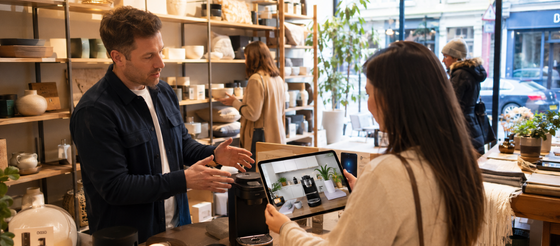
For years, the narrative surrounding the UK high street has been one of managed decline, overshadowed by the looming giants of e-commerce. However, for independent retailers whether you are demonstrating the latest smart home technology or showcasing bespoke homeware, the reality on the shop floor tells a very different story.
The modern consumer isn’t just looking to buy a product; they are looking to buy into an experience. Transitioning your physical store from a transactional space into an interactive, immersive environment is no longer just a marketing buzzword; it is a commercial imperative.
Here is how independent retailers can harness the power of experiential retail to drive footfall, foster loyalty, and protect their margins.
The Unwavering Demand for Independents
Before looking at how to change your store, it is vital to understand why you are in a prime position to win. The appetite for independent retail is robust. Recent data from The Industry Beauty (2026) reveals that over 80% of UK shoppers actually prefer independent retailers over large, faceless chains, particularly in considered purchase categories like homeware, gifting, and fashion.
This preference translates into regular footfall: 70% of UK consumers shop locally at least once a week, and regular customers typically return to the same independent business 11 times throughout the year.
What is driving this loyalty?
- The Unique Factor: Over half (52%) of UK shoppers prefer the personalised and unique products found in small businesses over mass-produced items from larger chains.
- Community Spirit: 51% of consumers want to shop small specifically to support their local community and economy.
Crucially, consumers are willing to put their money where their morals are. UK consumers have stated they are willing to spend up to £145 more per month on their local high street if the retail offering and overall in-store experience improve.
The Commercial Reality: Experience Over Price
It is incredibly tempting, especially during a cost-of-living squeeze, to slash prices to compete with online monoliths. However, racing to the bottom is a dangerous game for independents.
A stark 45% of retailers who are currently experiencing a decline in sales admit they have pivoted towards offering lower-priced products in an attempt to compete. This “discounting trap” often devalues the brand and squeezes already tight margins.
Conversely, despite broader economic pressures, an impressive 71% of UK independent retailers report that their trade is currently stable or growing. The differentiator is the in-store experience:
- The Experience Uplift: Retailers who actively improve their in-store experience see a 13 percentage point uplift in their likelihood to achieve business growth.
- The Power of Storytelling: Independent shops that invest in brand storytelling, communicating the ‘why’ behind their business and products are 19 percentage points more likely to report growth compared to those that do not.
- The Human Touch: Direct, personal interaction in a physical store makes shoppers 60% more likely to make a purchase. You cannot replicate a passionate, expert product demonstration on a standard e-commerce checkout page.
Key Takeaway: Stop competing on price. Start competing on expertise, storytelling, and the quality of the customer’s time in your shop.
The Untapped Goldmine of Collaboration
You do not have to shoulder the burden of experiential retail entirely on your own. Teaming up with neighbouring businesses is one of the most effective, yet underutilised, strategies on the high street.
Consider the numbers: a massive 89% of independent retailers who collaborate with neighbouring businesses report a direct, positive commercial impact. Whether it’s an electrical retailer partnering with a local coffee roaster for an in-store barista tech demonstration, or a homeware shop hosting a joint late-night shopping event with a nearby fashion boutique, cross-pollination works.
Despite this extraordinarily high success rate, only 23% of independent retailers are actively collaborating today. However, 83% say they want to collaborate more. This highlights a massive, untapped opportunity for high street innovation. Reach out to the business next door; your shared customer base is waiting.
Pop-Ups, Tech, and the Appetite for Immersion
To secure the future of your business, you must look at how younger generations shop. Gen Z and Millennial shoppers are two to four times more likely than older generations to engage with pop-up retail environments in the UK.
For these demographics, the high street is an extension of their digital world.
- Real-World Curiosity: 35% of UK online shoppers have visited a physical pop-up store launched by an online brand simply to get a real-world feel for the products.
- The Draw of the Unique: 43% of younger shoppers state that a “unique or immersive experience” is a major draw for visiting physical stores over shopping online.
- Social Media to Footfall: Online influence heavily drives physical footfall. A striking 60% of social media shoppers have visited a pop-up, compared to just 35% of traditional website shoppers.
Bridging the Physical-Digital Divide
Experiential retail doesn’t just mean a lovely window display; it means integrating technology that adds genuine value to the visit.
Over 50% of UK online shoppers have either used or want to use experiential tech features, such as Virtual Reality (VR) or Augmented Reality (AR), when shopping. Imagine allowing a customer to use AR on a tablet to see how a high-end coffee machine or a statement piece of furniture would look in their exact kitchen before they buy.
This isn’t just a gimmick. Seven out of ten shoppers who have used VR or AR in a retail setting describe the experience as engaging, helpful, or useful. By introducing smart retail tech, you bridge the gap between the convenience of digital and the tactile reassurance of physical retail.
Sensory Retail: Engaging Beyond the Visual
While technology like AR and VR offers cutting-edge visual engagement, true experiential retail appeals to all five senses. Independent retailers have a distinct advantage in crafting a multisensory environment that e-commerce simply cannot replicate a domain where you can truly outshine digital competitors.
Consider the ambient soundtrack of your store. Is it a generic radio station, or a carefully curated playlist that reflects your brand’s unique energy? Studies show that tempo and volume profoundly impact customer dwell time and purchasing behaviour. Similarly, the power of scent is frequently underutilised on the high street. Signature scents or welcoming aromas, such as freshly brewed coffee in a kitchenware shop or calming cedarwood in a menswear boutique can trigger powerful emotional responses, reduce shopping stress, and cement long-term brand memory.
Furthermore, actively encourage tactile interaction. E-commerce relies entirely on flat, two-dimensional cues, but physical retail allows customers to feel the reassuring weight of a handcrafted ceramic mug, trace the intricate weave of a sustainable fabric, or test the soothing texture of an organic skincare product. By intentionally moving products out from behind glass cabinets and directly into the hands of your shoppers, you instantly remove the physical barriers to purchase. When a customer can physically engage with an item while simultaneously absorbing complementary sights, sounds, and smells, its perceived value skyrockets, transforming a standard errand into a memorable sensory event.
Transforming Your Shop Floor
The data paints a clear picture: the UK consumer is highly receptive to independent retail, provided the experience justifies the trip.
To thrive in today’s trading landscape, independent retailers must view their premises not merely as stockrooms where transactions occur, but as interactive showrooms. Focus on your unique product knowledge, invest in face-to-face interactions, collaborate with your high street neighbours, and don’t be afraid to integrate immersive technology alongside engaging sensory design.
By creating a genuinely engaging environment, you give customers something the internet never can: a memorable, tactile, and thoroughly human experience.
To read the full published article by Rupert Cook, Marketing Director, please visit ERT Magazine

