
AI adoption for customer service is accelerating. Not only is it seen as a solution for making interactions faster and more efficient, but it is also seen as an investment to ultimately cut overheads in the face of increasing wage bills and tax burdens. The pace of transformation is so fast, in fact, that Gartner predicts Agentic AI will autonomously resolve 80% of common customer service issues without human intervention by 2029.
Just because we can, doesn’t mean we should – at least not until it can be embedded seamlessly into the customer experience. It’s not uncommon to have been frustrated by unintuitive, unhelpful chatbots and, despite 83% of consumers preferring to speak to a real person, the opportunities to do so are few and far between.
Consumers still exercise choice
To add insult to the injury of not being able to engage with customer service in the way they’d prefer, consumers are faced with poor quality AI interactions – and that’s costing businesses. A study from CEBR and Trustpilot revealed that poor experiences may have cost UK retail firms as much as £8.6bn in the previous 12 months, with two-thirds of consumers lessening their interactions with a business as a result of AI.
AI is also impacting the broader customer experience, with over two-thirds of consumers who have used AI when shopping unable to name a single experience that impressed them. Given the reliance on AI overviews, search and summaries, inaccurate information is likely the cause. Accurate tagging and product descriptions are critical for AI to do its job well, but many retailers aren’t monitoring and optimising their digital shelves effectively, which means experiences are falling flat.
While bad experiences put consumers off shopping with a retailer, the reverse is also true: great experiences are worth more. As consumers pursue experiences that meet their preferences, brands well-known for providing superior customer service are winning out.
It comes down to choice
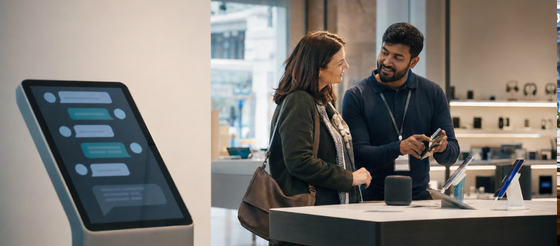
Digital channels are not the only places where AI and technology are disrupting the retail journey. In-store retail experiences are being deprioritised, with on-the-ground headcount steadily falling as technology once again replaces the human touch.
Outside of the Black Friday rush, 75% of purchases are still made in-store, but omnichannel shopping is increasing. The growth of both webrooming – where consumers browse online before making a purchase in-store – and showrooming, where the opposite is true, highlights the need for consistently excellent experiences across channels.
When it comes to big-ticket items, many shoppers still prefer to go into store to see and feel a product, even if they then shop around for the best price. With technical specifications becoming more complicated, it is harder to understand which product best meets our needs, and – in addition to seeing a product in the flesh – many head to store to seek advice and reassurance, which means sales staff must be knowledgeable and, more importantly, available.
A lack of human interactions in store compounds any concerns about digital service. If you cannot engage with humans at any point in the purchase journey – from consideration to aftercare – how comfortable do you feel making a purchase with that brand?
Human experience is the new premium
It is vital that retailers continue to meet consumers’ expectations of their purchase experiences. High-quality service engenders trust and brand equity, with brand reputation and previous encounters also steering consideration. In the current operating environment, where gaining or maintaining share of market and achieving sales targets is already challenging, service standards should be a priority.
As AI interactions continue to disappoint and access to in-store support becomes limited, the human touch is becoming a rarity. Most consumers are prepared to pay more for better customer service, but being able to engage with real people – online and face-to-face – should not be limited to consumers willing to pay a premium. Ultimately, people buy from people they know, like and trust.
For retailers, this means balancing the financial benefits of transformation with customer centricity. Failing to deliver what your customers want can foster dissatisfaction. If your customers start to look elsewhere, no amount of cost-cutting can save you: as once trust is gone, it’s likely gone forever.
To read the published article by Daniel Todaro, CEO, Gekko Group, please visit Retail Sector
 gekkofm