Monthly Archives: March 2026

A Clean Sweep

Running an independent retail shop in 2026 is no small feat. With consumers watching their wallets closely, discretionary spending can feel like a tough nut to crack. However, the floorcare sector remains a major bright spot that offers incredible potential for those willing to adapt. Over the past few years, the way we clean our homes has completely transformed, shifting from manual chores to highly automated systems.

The vacuum cleaner market is projected to reach a value of £283.9 million in 2026, growing at a remarkably steady pace. Within this space, specific high tech segments are accelerating rapidly. The robotic vacuum cleaner segment alone is forecast to expand at a 6.12% compound annual growth rate through to 2031. On a broader scale, the robotic vacuum market is expanding globally and is expected to hit a valuation of £10.9 billion in 2026.

For independent retailers, this presents a golden opportunity. Online giants currently command a large portion of the sector, but physical stores have a unique advantage. You can offer the tactile and interactive experience that an algorithm simply cannot match. Here is how you can demonstrate the benefits of 2026’s top cordless cleaners and robot vacuums to sweep up those sales.

Cordless Vacuums

The cordless vacuum has evolved from a secondary quick clean tool into the main household workhorse. The cordless segment is racing ahead and expanding at a 5.55% compound annual growth rate, signalling a broad consumer shift towards grab and go cleaning.

Here are the standout 2026 products you need to have on your shop floor:

  • Miele Duoflex HX1 Cat and Dog: A favourite for allergy sufferers, using an automatic power adjustment sensor to prolong battery life while maintaining deep carpet agitation.
  • Dyson V16 Piston Animal: Featuring a new conical floorhead design and a generous 1.3L bin capacity, it targets the high end consumer looking for power without the cord.
  • Shark PowerDetect Clean and Empty: A massive draw for pet owners. It features an automatic emptying base station that holds debris for up to 30 days.

The key is having your offering in a demo ready state. Get the product into the hands of the shopper and let them discover for themselves, the feel, the weight and the capabilities. Create an interactive mess station. Scatter some artificial pet hair or dried rice on different floor types. Back this up with knowledgeable input from sales advisors who can talk about stand out features and make worthwhile recommendations based on customer needs. Letting the customer test the product builds confidence and easily justifies the premium price tag. If product is simply stuck on the shelf, then price will dominate the decision making.

Robot Vacuums

Robot vacuums have shifted from novelty gadgets to essential home appliances. The technology this year is all about advanced AI, hybrid mopping, and zero maintenance. Globally, residential applications account for a massive 78% share of the robotic vacuum market in 2026, driven by the universal need for daily floor maintenance.

Key models driving the market this year include:

  • Dreame X60 Max Ultra Complete: Billed as one of the thinnest smart vacuums on the market at just 7.95cm tall, this ultra sleek flagship glides under low furniture with ease. It also features a boiling 100°C mop washing station and a clever ProLeap system that lifts the robot over tricky floor thresholds.
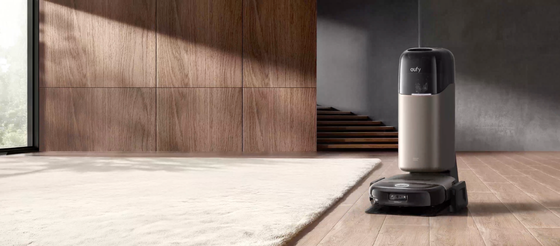
  • Eufy X10 Pro Omni: A versatile all rounder that uses LiDAR and AI powered obstacle avoidance to navigate complex living rooms.
  • iRobot Roomba J9+: Known for its Dirt Detective technology, which prioritises the messiest rooms based on previous cleaning history.
  • Ecovacs Deebot X8 Pro Omni: A high end hybrid featuring a self cleaning roller mop that refreshes itself as it works, preventing cross contamination across different rooms.

The biggest barrier to entry for robot vacuums is the setup process. Older or less tech savvy customers often feel intimidated by mapping software and WiFi pairing. You can stand out by offering a premium white glove setup service. Visit their home, map the rooms and set up the zoning on their smartphone. This level of personalised service is exactly why shoppers choose local independents over anonymous online retailers.

Turning Footfall into Floorcare Sales

Now is the perfect time to finalise how you communicate these benefits to your local community. As an independent retailer, your greatest strength is knowing your customers better than anyone else. While the time saving advantages of smart machines are profound, relentlessly pushing a robot vacuum will not go down well with everyone.

A high tech Dreame X60 Max might be the perfect fit for a busy young professional with open plan hard floors, but a lightweight cordless model like the Miele Duoflex could be much better suited to a customer with a highly cluttered home or someone who simply prefers a traditional cleaning routine. Use your shop floor to offer genuine consultations rather than hard sales. Host weekend demonstration events where customers can discuss their specific floorcare challenges and let them test the products themselves to see what feels right in their hands. By focusing entirely on what is genuinely best for the individual shopper and positioning your shop as a destination for trusted advice, you elevate your entire retail brand and build lasting customer loyalty.

Building on that loyalty, a major trend defining 2026 is the growing demand for sustainability and the right to repair. Consumers are increasingly frustrated by disposable electronics and want appliances that will stand the test of time. This plays perfectly into the hands of independent retailers who can offer dedicated aftersales support.

While mass market online stores often only care about the initial transaction, you can build a lasting relationship by stocking replacement HEPA filters, fresh brush rolls, and spare lithium batteries. Offering an annual servicing package for high end robot vacuums or premium cordless models creates a reliable recurring revenue stream. Imagine providing a dedicated maintenance service where you clean the delicate LiDAR sensors on their newly purchased robot, replace the worn mop pads, and check the internal battery health. This proactive approach guarantees that the customer will return to your shop the next time they need to upgrade an appliance.

Furthermore, do not underestimate the profitability of complementary accessories. When a customer commits to a Shark PowerDetect or a Miele Duoflex, they are deeply invested in achieving a cleaner home. This is the perfect moment to introduce supplementary products. Stocking high quality hard floor cleaning solutions, scented vacuum pods, or specialised pet grooming attachments adds genuine value to their daily routine while significantly boosting your overall profit margins.

Finally, none of these physical store experiences matter if the local community does not know they exist. Use your local digital presence to showcase your tactile advantages. Post short videos on your social media channels showing the aforementioned interactive mess station in full swing. Demonstrate the Ecovacs Deebot navigating around a dropped shoe, or show how easily the Dyson V16 lifts embedded pet hair from a thick rug. Make it clear to your audience that your shop is the only place in town where they can get expert advice, receive tailored recommendations, and physically try the products before they part with their hard earned money.

To read the published article by Daniel Todaro, CEO, Gekko Group, please visit ERT Magazine

Tagged , , , , , , , , , , , ,

Footfall Starts Online

For all the talk of AI, automation, and online shopping, the reality on the UK high street tells a remarkably different story. Physical retail remains where the vast majority of our spending happens. In fact, Mintel reports that £7 in every £10 spent in UK retail in 2025 was still spent in-store.

This statistic reveals something vital: people shop for the physical experience. They genuinely enjoy seeing items in person, chatting with knowledgeable staff, and feeling part of something familiar. Shops are part of the rhythm of everyday life, not just transactional spaces. This is particularly true in the considered purchase sector for investment items, where physical reassurance matters.

Searchability

When people search locally, they intend to act fast. The ACS Local Shop Report showed that “Convenience Stores Near Me” searches hit absolute record levels in late 2025. These are high-intent shoppers ready to walk through your door and make a purchase.

Search habits are also shifting. Younger consumers increasingly favour visual social platforms over traditional engines. Around 40% of Gen Z in the UK now use TikTok or Instagram Maps to find local businesses, checking the atmosphere to decide if it is worth a visit.

For retailers, visibility now requires showing up exactly where people are looking, whether on Google, social media, or within local community conversations.

Digital Tools

Digital tools are powerful enablers of local engagement, rather than direct replacements for physical retail.

Location-based mobile advertising seamlessly connects businesses with nearby consumers at their highest point of intent. By targeting mobile users within a tightly defined radius, businesses reach customers who are ready to act, significantly increasing footfall. For example, geo-targeted Facebook ads for an IKEA store resulted in a 31% uplift in store visits among younger audiences and an 11% increase overall, definitively proving the effectiveness of hyper-local targeting.

Geofencing works similarly by creating virtual boundaries around physical locations, allowing businesses to deliver timely, relevant messages to people already within walking distance. Based purely on geographic proximity and intent, this is far more likely to convert into real-world visits than traditional digital advertising.

Targeting

To stand out, smaller retailers must ditch the polished corporate playbook. According to Dentsu, 54% of younger shoppers now actively listen to peer recommendations over aggressive brand promotions. This has heavily fuelled “Mischief Marketing” and radical transparency, as reported in VistaPrint’s Small Business Trends. Posting candidly about delivery mishaps or product flops humanises the brand and builds massive local goodwill.

Another highly effective, low-cost tactic is the “Odd Couple” collaboration, highlighted by Vistaprint. Teaming up with a completely different, non-competing local business, such as an estate agent partnering with a bakery to provide “New Home Welcome Boxes” filled with fresh sourdough, or a run club ending at the independent pub next door, cross-pollinates loyal audiences and strengthens the entire high street.

SEO / AEO

Local SEO is also rapidly evolving. Traditional keyword stuffing is making way for Answer Engine Optimisation (AEO), as people increasingly ask AI voice assistants full questions, according to Echo Web Solutions. Retailers can easily adapt to this by creating dedicated FAQ pages answering hyper-local questions, such as exactly where to recycle batteries or park for free in your specific town. Providing these community-focused answers positions your business as a trusted local authority that AI tools will actively cite, letting you capture local intent through proximity tactics.

Conclusion

Ultimately, the future of retail firmly belongs to the community. While price once dictated everything, a profound loyalty shift has occurred. Today, a staggering 63% of UK shoppers say they actively prefer small local businesses, according to DJS Research. Furthermore, Metro Bank reports that 64% of shoppers visit local independent businesses at least once a week, with their main reasons being keeping money within the community (70%) and preserving community identity (47%).Communities are desperate for their high streets to survive. This completely symbiotic relationship is backed up by the 95% of small business owners who told American Express that community support is the only reason they are still thriving today. Making your gratitude visible is perhaps the easiest and most effective marketing tactic of all. A simple chalkboard outside your shop saying, “Thanks for keeping us open,” goes an incredibly long way. Your local customers are already rooting for you; you just need to invite them in.

To read the published article by Callum Puffett, Digital Marketing Manager, Gekko Group, please visit ERT Magazine

Tagged , , , , , , , , ,

From Stage To Shop Floor: Why Product Launch Success Relies On Workforce Readiness

Consumers have never had more choice when it comes to outlets to buy their next big ticket item. For retailers, this has raised the bar, and ahead of a big product launch, understanding the customer journey is critical to achieving sales.

For many, the belief that the journey starts as the customer enters the store is outdated. This began long before they stepped foot on the high street, having likely started when they saw ads, surfed social media, asked friends for recommendations, completed research online, and made a conscious decision to step into a store because they were ready to make a decision.

This places significance on the importance of frontline teams as the shop floor is where the product story is expected to resonate with consumers and come to life to work hard in converting a sale. While retailers continue to invest heavily on the in-store experience in line with perceived demand and expectations, with new fit-outs, promotions and loyalty incentives, the readiness of the workforce is sometimes treated as a secondary consideration. For HR and people leaders, this represents a material risk to ROI for both retailer and brand, in particular amongst product launches and new category ranges in-store.

Good Customer Service is More Than Just Sales

Customer experience is increasingly determinative of commercial success. According to recent research, 52% of consumers have stopped buying from a brand due to a bad experience, with 29% citing poor customer experience (online or in-person) as the primary reason 1. This means that retailers must invest time and energy, not necessarily budget, to ensure that staff training is the cornerstone of any product launch or sales strategy, particularly where it’s not exclusive to your store. For HR leaders, this makes frontline capability a matter of revenue protection and not just a service metric. Ultimately, the opportunity for both brand and retailer can be rewarding for both parties if confident and capable salespeople are able to engage with customers of all demographics and sell the product competently.

As products become more complex, a deeper, contextual understanding from sales staff is required, and the approach in how you do this may need to be developed from practices you’ve relied on before. Take AI, does your organisation have a training programme purely focused on this increasingly more standard subject matter? Without it, teams may struggle to build credibility and confidence with a customer when selling related products. This makes them unable to reference the product in the context of real-world, practical examples and, in turn, respond accordingly to potential objections that are likely to be presented. Coupled with higher pressures on teams due to cost restraints and rising layoffs, in-depth training can often be secondary in favour of quick-win digital sessions that don’t provide enough depth for staff to do their job effectively.

For retailers and their HR teams, it’s more crucial than ever to rethink how sales staff are trained to maximise return on new product launches, in particular with new technology, and maximise the opportunities both online and in-store. The process is simpler than many think. Dual learning is the secret; combining a mix of both online and immersive, face-to-face training experiences will help drive staff knowledge, confidence, consistency, and increase that sacred ROI that every retailer seeks.

Double Up Training to Drive Performance

Last year, research proved that only a quarter of the global workforce felt equipped with the skills to advance their careers, and less than a fifth strongly agree their organisation is investing in those skills 2. In a new world, digital learning has already been put through the ultimate fit test and has been proven to improve retention more than traditional methods. Video content, mobile access and interactive tools make learning easier and more engaging for many.

That said, when selling new or complex tech products, face-to-face, immersive training will inevitably deliver stronger engagement, advocacy, and behavioural changes. This can be achieved through interaction in a live environment, allowing staff to go deeper with questioning and getting hands-on demonstrations. When tied to product launches, these sessions will potentially maximise return on training spend, and on the all-important ROI for the wider business and brands.

Training is the Foundation of CX

Tech retail giants like Apple and Curry’s have baked customer service into their brand ethos, with staff positioned as ‘Geniuses’ and ‘Experts’, with stores labelled as the ‘Home of AI’. These mottos are selling consumers the confidence to step in-store and ask sales advisors the toughest questions well before parting with their cash.

Whilst these brands operate in a digital world, knowledge like this has not been learned from a digital module alone. Dual training with the products, whether this be smartphones, VR glasses or laptops, in immersive training sessions will have offered these ‘experts’ first-hand experiences to effectively sell in-store, particularly around new technology product launches.

Last year, upskilling and reskilling became the top HR priorities for employers, topping talent acquisition and well-being 3. Empowering frontline retail staff with the technical know-how to advise correctly cannot only sell products, but also help define brand and store confidence as part of a long-term strategy to lead to enabling better storytelling, effective demonstration, and the ability to provide the personal nuance each customer requires and expects when they engage with your staff.

Customer choice is increasingly being shaped by the quality of the in-store experience, and that experience succeeds or fails with perceived consumer frontline confidence, knowledge, and credibility in your store. For HR leaders, the opportunity is clear. Elevating training to a core pillar of launch planning should no longer be optional or a secondary thought. It’s a commercial decision that should be baked into the strategy to determine sales performance, brand perception, and customer loyalty to achieve success in selling and repeat customers that become fans of your brand and the brands you sell.

To read the published article by Daniel Todaro, CEO, Gekko Group, please visit the HR Director

Tagged , , , , , , , ,