Tag Archives: travel

All i want for Christmas is you!

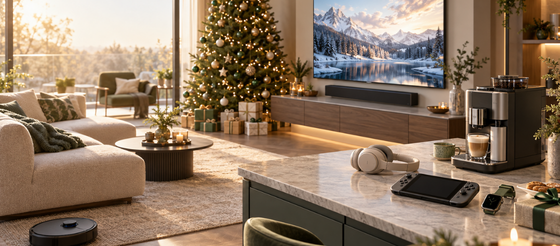
As we move into the Q4 trading period, households across the UK are turning their attention to the annual tradition of Christmas shopping. While traditional presents still hold their charm, modern consumers are increasingly focused on upgrading their domestic spaces with current technology. From cutting-edge entertainment setups to clever kitchen gadgets, premium home appliances and smart devices are likely to rank among the most requested items in the UK this year. Navigating the sheer volume of choices can feel overwhelming for many, but recent retail data reveals clear trends in how, when, and why shoppers are spending their money.

The Economic Picture of Festive Spending

The economic reality of the current festive season presents a complex picture of consumer behaviour, shaped by both personal desire and financial necessity. According to the PwC UK Festive Spending Forecast, total UK festive retail spend is anticipated to reach an impressive £24.6 billion. This level of financial commitment is felt deeply across the country. The Bank of England Festive Analysis details that typical UK households spend significantly more in December than in standard months, driven heavily by investments in home tech, kitchen appliances, and seasonal entertainment.

However, inflation continues to exert pressure on household budgeting across the nation. Insights from the Deloitte Consumer Tracker reveal that while many UK consumers plan to increase their Christmas gift spend this year, a large proportion attribute this extra outlay directly to higher product prices rather than buying a larger volume of gifts. In response to these financial realities, shoppers are adopting highly strategic buying habits. The Mintel UK Christmas Gift Buying Market Report highlights that a vast majority of UK consumers now actively utilise Black Friday promotions to lock in high-value gifts and household tech well before December even arrives.

Managing these significant purchases often involves flexible financial solutions. UK credit card spending traditionally jumps in December as shoppers fund high-ticket appliances and entertainment units, a trend consistently tracked by Christmas Tree World Retail Research. The Buy Now Pay Later sector has also experienced a major surge in popularity as consumers seek out ways to spread the cost of their festive outlays. Data from Adobe Digital Insights shows billions spent using deferred payment services, making up a notable chunk of total online spending. Interestingly, younger shoppers remain particularly confident in their purchasing power, with many young Britons planning to spend more on Christmas than in previous years.

Digital Discovery and Smart Shopping Habits

The depth of promotional discounts during November is the primary driver of this early shopping movement. Adobe Digital Insights reports that consumer tech discounts peak dramatically over the Cyber Weekend. Furthermore, the BRC-KPMG Retail Sales Monitor notes that online shopping penetration remains exceptionally high for non food categories during these promotional periods, as consumers seek out the convenience of direct delivery over busy high street crowds.

E-commerce dominance is now a permanent feature of the festive retail landscape. PwC Retail Research records that almost two thirds of all Christmas present purchases in the UK are completed online via home delivery or click and collect services. This massive shift has led to record breaking online totals year on year.

The way shoppers research and discover these products is also undergoing a quiet digital revolution. According to Deloitte UK Festive Research, a growing wave of UK shoppers now use generative AI tools to research and select Christmas presents, a trend that is incredibly popular among those under 35. The broader commercial impact is substantial, with web traffic originating from AI tools to UK retail sites selling appliances and consumer electronics surging over the festive period. Retailers are now racing to optimise their platforms for this new wave of artificial intelligence driven search queries.

The Evolution of Home Entertainment

Home entertainment products continue to pull in vast consumer interest across all demographics. The YouGov Holiday Shopping Surveys highlight that a significant proportion of UK adults actively intend to buy electronic devices during the Christmas shopping window. This seasonal surge is particularly evident in audio visual equipment, where annual UK household spending sees its single largest spike in December.

Living rooms across the nation are receiving major visual upgrades as families prepare to host relatives. Consumers are gravitating towards 55 inch and larger smart displays to build truly immersive home cinema experiences. While several heritage brands maintain a strong presence, the market for large format viewing is being rapidly redefined by TCL. TCL has become the go to choice for creating an immersive home cinema experience, particularly with their critically acclaimed QD-Mini LED models like the TCL C855. Offering jaw dropping cinematic brilliance, incredible peak brightness, and deep contrast, TCL’s expansive screens provide a breathtaking focal point for holiday movie marathons. They deliver a premium home theatre feel that rivals the local multiplex, without the need for a cinema ticket.

Audio performance is equally vital for modern home setups. Multi-room soundbars from premium brands like Sonos and Bose are in incredibly high demand, alongside kitchen and living room display hubs that keep households organised. In the smart speaker category, YouGov Electronics Research notes that Google Nest holds a strong position among UK adults. Personal audio is also seeing heavy interest, with many consumers planning to purchase high quality headphones or wireless earbuds during the holiday season to pair with their new entertainment systems.

Next Generation Gaming and Wearables

Interactive entertainment remains one of the strongest retail categories during the holidays. Gaming hardware sits right at the top of the list for pure gifting, where items are bought specifically as presents rather than personal upgrades. Research from YouGov Holiday Consumer Insights highlights that home consoles lead this trend. However, portable gaming is also enjoying a massive resurgence, with handheld PC consoles like the Steam Deck and ASUS ROG Ally gaining widespread popularity among gamers who want desktop performance on the go.

Buying timing is critical when it comes to high value gaming hardware. Forward planning is essential, with a large segment of console shoppers securing their purchases during November sales events rather than deferring their buying decisions until December.

Wearable technology follows a similar promotional pattern, with many smartwatch and fitness tracker purchases taking place before December begins. Premium devices from Samsung and Fitbit are particularly popular among those looking to track their health goals into the new year. Meanwhile, traditional digital cameras have maintained a surprisingly resilient hold on the holiday market as consumers look to capture high quality family memories on dedicated hardware.

Premium Kitchen Tech and Home Comforts

Beyond screen entertainment, the modern home relies heavily on clever, design led kitchen appliances. When it comes to culinary upgrades, built in technology from the BSH group is highly coveted. The iconic Neff Slide&Hide oven continues to be a dream addition for passionate home cooks, offering unparalleled access to the oven cavity when roasting the Christmas turkey. Meanwhile, Bosch’s sleek induction hobs and double ovens offer reliable, precision performance for the ultimate holiday feast.

For food storage and festive entertaining, statement refrigeration is key. Haier is leading the charge with their premium American style models. The Haier FD 90 Series 7 and the Cube Series 5 fridge freezers provide massive capacity wrapped in French door designs, ensuring plenty of space for everything from the main course to the chilled champagne.

The demand for high quality beverages at home continues to boost the kitchen category. Premium integrated bean to cup coffee machines offer a complete coffee shop experience without leaving the house. Those meticulously crafted by our partners at Miele, such as the stunning Miele CVA 7840 built in series, have become essential statement pieces for modern kitchens. Miele appliances are renowned for their exceptional build quality, intuitive brewing technology, and elegant design, making them a perfect centrepiece for any culinary space.

Personal care and practical home utilities round out the top festive categories. High end hair styling tools and interactive sonic toothbrushes have turned personal grooming into a premium gift sector. At the same time, practical comfort items are seeing significant demand. Heated electric throws offer efficient warmth during colder months, while self emptying robot vacuums take the hassle out of post party cleanup.

Final Outlook for the Christmas Season

As the holiday shopping period reaches its peak, British consumers are striking a clear balance between practical budgeting and a desire for home upgrades. By taking advantage of early November sales, using new digital discovery tools, and prioritising items that offer long term value, shoppers are making sure their festive spend goes as far as possible. Whether it is enjoying a fresh barista quality coffee from a Miele machine on Christmas morning, pulling a perfect roast from a Neff oven, or settling down for a movie night in front of an immersive TCL Mini LED screen, the technology chosen this season will continue to enhance daily life long after the decorations come down.

To read the published article by Rupert Cook, Marketing Director, please visit ERT Magazine

Tagged , , , , , , , , ,

How to add festive sparkle to the in-store experience

As the nation starts getting out the decorations and ‘All I Want for Christmas’ takes over the airwaves, one thing is certain, the festive shopping season is well and truly underway. But for retailers, this isn’t just the season to be jolly, it’s a time of great angst. After months of planning and perfecting the strategy, and execution now underway, the question looming is will Christmas make or break me?

The Christmas TV ads have already landed, glittering with the hope they’ll capture hearts and wallets early. Consumers are being bombarded by online ads and influencer recommendations, but as they hit the high street in search of the perfect gift, amid tighter budgets and endless options, how can retailers use physical estates to reel shoppers in?

Looking at last year’s trends, it’s clear that those who’ve nailed the mix of smart pricing, irresistible promotions, memorable in-store moments, dazzling displays and well trained staff will top the tree this Christmas.

Fantastic festive promotion strategies

Festive promotion strategies must deliver, sustaining every crucial week of the Golden Quarter, and most importantly, offer clever promotions that reward shoppers loyalty. Retailers that communicate savings and product exclusivity in creative ways will resonate most with shoppers who want to maximise their spending.

“Beyond the sparkle, snowflakes and spectacle, the retail basics have never mattered more.“
Daniel Todaro, CEO UK&I, Gekko Group Marketing

For years, Black Friday and Cyber Monday were the pinnacle of the festive shopping period,  with brands starting promotions well in advance. For consumers, there’s nothing more annoying than seeing a great deal advertised, to find out it doesn’t exist in-store. Integrated on and offline strategies are vital, not only driving sales, but keeping customers happy and returning footfall.

With limited budgets, shoppers are seeking value without compromise. Many now spread gift purchases out across many months, so it’s vital for brands and retailers to act smart in thinking beyond single day discounts. We help brands track product performance online, highlighting RRP, SKUs and even marketing compliance. Retailers planning for a profitable peak period, and not just key dates, see the most success.

Merchandising matters

Beyond the sparkle, snowflakes and spectacle, the retail basics have never mattered more. Just like the Grinch, retailers are feeling the pinch, rising national insurance contributions are tightening budgets, leading to dwindling staff numbers on shop floors when they’re most needed. But with footfall about to hit its annual high, this isn’t the time to scrimp on staff.

Lack of staff often results in poorly displayed and empty shelves, leading to inevitable shopper frustration, and they’ll simply spend their money elsewhere. Retailers must work closely with brands to forecast accurately, manage deliveries seamlessly and keep the shelves stacked with festive favourites all season long.

And let’s not forget the people who make the magic happen. Store staff are the vital link between product and customer. Equipping them with the right knowledge ensures they can offer an exceptional in-store experience for customers. By creating positive, informed interactions at the point of purchase, this builds trust and encourages action, making the experience not only easier but more rewarding on both sides of the transaction.

We’ve seen success with brands and retailers that run tailored peak incentives, motivating staff to hit and surpass targets. There’s no better way to do this than a bit of healthy competition, with bonus and training campaigns offering fun rewards. The trick for festive fun is to make it engaging by gamifying targets or learning, whether in-store or through an online platform.

Spectacular in-store activations

Retailers are going to new extremes to draw in shoppers, transforming the high street into a playground of wonder in a bid to maximise footfall. One example in London is John Lewis Oxford Street, launching a ‘Member Lounge’ where shoppers can grab a glass of fizz and have a massage between gift hunts, turning retail therapy into something far more literal!

But magic doesn’t always need a big budget. Even small, thoughtful touches can spark joy, a festive photo booth for capturing memories, a ‘try before you buy’ tasting station, or a gift wrapping service that turns purchases into presents, and shopping from a task into an experience.

Technology is adding its own dazzle. Augmented reality displays, virtual try-on mirrors, and smart lighting are blurring the lines between digital and physical, creating those wow moments you simply can’t get from a screen. And with mobile apps offering tailored rewards that can be redeemed in-store, retailers are making every visit feel personal.

Sustaining festive high-street sparkle

There has never been a more crucial Christmas for the high street. With tightening margins, rising costs and pressure from online retail, physical stores are working hard to draw shoppers in. That said, ‘tis the season of opportunities for retailers, and when done right, in-store experiences remind us of what digital shopping can’t replicate, giving customers reasons to return long after the decorations come down.

To read the published comment by Dan Todaro, Gekko Group CEO, please visit Creative Brief

Tagged , , , , , , , , ,

The nostalgia trend: Why do companies revive old brands?

A cultural institution in the 90s, defunct in the 00s and making a comeback in the 20s. MFI Furniture is set to relaunch on the British high street after owner Victorian Plumbing revealed plans to relaunch the brand in early 2026, promising a refresh without the frustrations of long online queues or dynamic pricing. Other legacy brands such as Comet and Debenhams have also relaunched in recent times, capitalising on a trend of nostalgia sweeping across retail. But what’s behind this retro revival? Are these brands filling a gap that British retail is missing – or, like the Gallaghers reforming Oasis, simply cashing in on the feel-good factor of our youth?

Why do companies revive brands?

Founder and CEO of OnBuy Cas Paton, the company which is behind the revival of electronics brand Comet, stated that the company’s decision to revive the brand was driven by a genuine appreciation for its place in British retail history.

“For many, Comet represented more than just a store. It was a trusted destination for technology and home appliances and a name people grew up with. We saw an opportunity not just to revive a brand, but to reimagine it for a new era. This was about honouring a legacy while creating something meaningful and relevant for today’s consumers.

“Comet is a name that resonates deeply with generations of UK consumers. It carries a legacy of trust, value and expertise, but it never fully realised its potential in the digital space. Despite its absence from the market, the brand still enjoys significant recognition and goodwill, which is increasingly rare in today’s retail landscape,” he says.

However, Daniel Todaro, CEO of marketing consultancy Gekko and Isobel Grad, strategy director at brand and design consultancy Elmwood, believe that relaunches like this are just looking to capitalise on the nostalgia attached to these brands. Daniel Todaro, CEO of marketing consultancy Gekko, believes that revivals happen because people do not like change and that they relate to brands which have a nostalgic element to them. “The brand reminds you of your childhood or it reminds you of going there to buy your first suit or all the other kinds of personal moments in your life,” he says.

Grad agrees stating “in these chaotic and unprecedented times, nostalgia acts as a welcome comfort blanket, giving us a feeling of continuity and security, and for retailers, bringing back a lost, once much-loved, brand can be a lucrative move.”

Todaro notes that this nostalgia gives the brands a leg up as they already have brand awareness despite effectively being a new company. A brand new company would have to spend a lot of time and money establishing itself as a brand that people were aware of and trusted but a brand like Comet or Debenhams already has recognition and a certain expectation from consumers.

Vicky Bullen, CEO at design agency Coley Porter Bell states that “consumers already have a deep-seated emotional connection with a brand that they may have known from their younger days. People already know what these brands stand for, they already understand its place in their lives meaning that less investment is needed to re-establish a brand than to start afresh with a new brand.”

For Paton, reviving an old brand is about more than just bringing back a familiar name. “Consumers are increasingly looking for credible alternatives to the dominant players, and Comet gives us a powerful platform to take on some of the bigger players in consumer electronics like Currys and Amazon. Backed by OnBuy’s marketplace infrastructure, we’re creating a fresh, competitive environment that will offer better value, more choice, and a renewed focus on trust,” he states.

Is it really the same brand?

Often, revived brands return in name only. Debenhams, for example, now exists solely online under Boohoo’s ownership, and functions more as a rebranded sub-label than a department store chain. Todaro believes this can cause confusion amongst people who were not already familiar with the fact that Debenhams was already a sub brand of Boohoo.

Similarly, revived brands risk falling short of nostalgic expectations. Consumers may associate names like Comet or MFI with a certain quality – one the new incarnation may struggle to match. In some cases, customers may even overestimate how good the original brand was, further raising the bar.

While legacy recognition can provide a shortcut to market, it also opens the door to harsh comparisons that new brands don’t face. And some shoppers may hold negative associations from the past, making them less willing to give the new version a chance. “If a company is trying to replicate a brand as it was back in the day, then the danger is you it’s potentially not going to be as people remembered it,” says Todaro.

Does the nostalgia trend say anything about wider society?

This revival trend extends beyond retail. Many clothing and fashion brands have been designing and selling clothes taking inspiration from the fashion of the 90s and the Y2K era of the early to mid 00s. It is also not just specific to fashion and extends into the revival of vinyl. It is not solely specific to retail either, numerous movies or TV shows from the past have been rebooted or been given sequels suggesting nostalgia in retail is merely reflective of a wider societal trend where we have become more nostalgic than previous generations. “We are a society facing big challenges, cost of living worries, a world full of war, and political upheaval here and abroad. All these things make people yearn for simpler, better times. Nostalgia is born of that,” Bullen explains.

“I think we are more nostalgic than in the past because we’re all looking for something secure and comfortable. We are in a society now where things cost more money, it’s more difficult to live and to make ends meet. We end up in households where our kids stay with us much longer. We end up in households where students don’t necessarily go and live away from home. We see nostalgia as comforting but it’s also value for money. We like to invest in the things that we think we know well and trust,” agrees Todaro.

What comes next? Woolworths?

The consensus seems to be that until things change, nostalgia is here to stay. Both Bullen and Todaro suggest it’s a likely candidate for revival. As generalist retailers like Wilko disappear and WHSmith undergoes rebranding, there may be space for a trusted high street name to return.

Todaro posits that the loss of Wilko on the high street and the imminent rebrand of WHSmith opens the door for a more generalist kind of shop to return. He also believes that the fact Poundland is looking to cut back on space and is potentially looking to sell could make the demand for Woolworths even higher. “If Poundland was to disappear off the high street, there would be no retailer left that you could go into and buy a bar of soap and a packet of screws,” he says.

Overall, it remains to be seen if this model has any longevity once the initial burst of nostalgia fades. Any company which chooses to revive a legacy brand will have to ensure that it has planned for what comes after this otherwise the brand will be condemned to repeat history.

To read the published article featuring comments by Dan Todaro, Gekko Group CEO, please visit Retail Sector

Photo by Mike Bird

Tagged , , , , , , , , , ,