Tag Archives: Gekko

First Impressions Count

Experience is everything and our research has seen that if you capture the imagination of the consumer and embrace them through the customer journey, 81% of consumers are willing to shop or spend more for experiences that take traditional store shopping to the next level. In simple terms, for a shopper to make a trip to your store, it has to be worth their time, effort and expenditure, creating an experience that exceeds merely the convenience of simply buying online from the comfort of their home.

In these tough economic times, yes it’s hard for both retailers and customers. Retailers can’t necessarily create the experience they’d prefer for their consumers and for the shopper, no one wants to be hard sold a product they don’t like or need, especially during distress purchases, such as the replacement of a large appliance. 

There are some retailers that unscrupulously look to charge brands for access to their doors, which is something many brands refuse to do as it squashes margin and only serves the retailer and not the brand. However, for those more willing retailers, inviting brands into your store is a start in the process of enhancing the customer experience. Create zones that enable a branded product expert to sell directly to the consumer and show your staff how it’s done. A recent report from Westfield showed that 60% of consumers are expecting over half of any given retail space to be driven by these kinds of experiential services. Driving knowledge through an expert enables the customer journey to be elevated, enhancing the possibility of closing more sales and increasing your average basket value through selling up through a range or creating opportunities for attachment sales. 

Think about your store layout and the customer flow. When the consumer bestows the honour of entering your store, yes it’s an honour, they aren’t doing you a favour, think about what greets them. Is it enticing, does it naturally lend itself to making them feel comfortable and can they find what they are looking for with ease. Ask if they require assistance and give them space and let them know that you’re there to help when they need it. 

I’m about to be a judge at the ERT Awards and my pet hate is seeing stores piling it high. Microwaves displayed atop washing machines, dishwashers and cooling. How many of those microwaves do you sell? Is it a cornerstone product that you rely on to generate revenue? Probably not. So to make them stand out like that isn’t, in my opinion, a pleasing aesthetic, more so an eyesore. So why do it when you could make your store look visually stimulating and clear of clutter to enable the consumer to see immediately what you range without having to fight through the riot of product and noise.

If I’m looking to spend some serious money in your store, I want to know that you’re the kind of store that cares about how I’d like to spend it. Listen to what the consumer needs and their budget. Keep it relevant to them and not you. No one likes a bore or someone who clearly doesn’t listen because they want to talk about themselves. The key area of focus within your store to really think about is in making it an immersive environment that your customer feels comfortable in and encouraged to explore and play. 

Enhancing the senses of consumers with your store can be done through very simple things like light, sound and smell but also interactive displays that make the consumer feel connected to the brands that are ranged in your store, enhancing the retail experience for both. Displays aren’t just about enticing shoppers to come in-store. They’re about drawing attention, displaying information and setting products apart from the competition. In the world of considered purchases, integrating tech effectively into display systems can add to the experiential and immersive experience that shoppers increasingly expect from their high street visits, helping to excite and engage consumers.

Personalisation is another factor to consider and one that is increasingly more critical in the customer journey and I hope that what you sell and the brands you range speak to target audiences. McKinsey research has shown that successful personalisation strategies, driven by customer data and increasingly AI solutions, can mean up to 10-15% revenue growth. Is what you sell and the manner you display it and sell it relevant to all and done in a manner which heightens the senses and creates an emotional connection that enhances the experience.

In 2024, the consumer’s purchasing decisions are, it seems, heavily influenced by a product’s ability to resonate with their identities and aspirations, this need can surpass mere cost considerations enabling a potential increase in basket value. This change reflects a departure from older generations’ perceptions, increasing the importance of aligning brand values and the retail approach in line with a consumer’s priorities in a competitive landscape.

Make the consumer feel listened to and important and enable them choice of not only product but also payment terms and delivery. Did you know that 43% of sales are abandoned due to delivery charges or concerns. This is relevant both in-store and the online customer journey, which leads me to your Omni channel experience.

While you might think that younger generations shop online more, actually for considered purchases such as CE, 63.5% want to shop in-store. However, this does not mean that the e-commerce opportunity is any less, especially when it comes to socials. So how does your retail experience translate online through your website and social media? With more and more consumers searching online to research the next considered purchase, do you hold your desired audience and compel them to continue their experience in your store.

It’s also understood that four in five consumers follow brands on social media, with an impressive 95% saying that their purchasing decisions are influenced by what they see and read on social media. It’s therefore important to consider the percentage of consumers that still prefer to shop in-store when shopping for high-ticket items, the future shopper and customer journey will increasingly be based around the online and social media experience. Therefore the importance of getting both right in the context of the customer journey and overall experience, are critical for a retailer’s success.

Core drivers to consider for enhancing the experience for consumers and enhancing that customer journey for both your store and the brands you range spanning an omni-channel approach are; 

  1. The online presence of your store may be the first touch point for your customers, therefore making it enticing and motivating enough to bring the consumer to your door is crucial, especially if you’re looking to attract that younger 63% that want to shop in-store. 
  2. Create theatre that immerses the consumer through lighting, sounds and clear navigation of your store with clearly defined zones that encourage the consumer to dive in and feel invited to play. 
  3. Engage with consumers in a knowledgeable and supportive manner through your staff and continue the customer journey with clear, impartial and knowledgeable advice that is relevant to the consumer, not just merely you or your opinion. 

To read the published article written by Dan Todaro, Managing Director please visit ERT

Tagged , , , , , , , ,

Back-to-school spending to set UK parents back £2.3 billion

The summer holidays are just a week away, but parents are already planning their back-to-school spending. UK parents are expecting to spend an average of £452.40 per child – the equivalent of £2.3 billion* – with many concerned about how they will foot the bill.

According to the new research from retail marketing consultancy Gekko, back-to-school spending, including uniform, stationery and technology, will set primary school parents back an average of £490.80 per child. Parents of secondary school-age children will spend an average of £422.90, while back-to-school spending for college or sixth-form students will amount to an average of £390.20.

The cost-of-living crisis is taking its toll, with nearly three quarters (71%) of parents agreeing that rising costs have made it much harder to afford back-to-school spending. As a result, 61 per cent are worried about the cost of the items they need to buy before the new academic year begins. One third (33%) of school parents will be drawing on savings, but others will rely on borrowing, with three in 10 (29%) putting costs on credit cards, and one in 10 (9%) even borrowing from family to foot the bill.

With three quarters (76%) of schools expecting children to have access to their own laptop or tablet, parents are faced with finding extra cash for technology products – adding to the financial strain. The 23 percent of parents who will need to buy a laptop or tablet before September will spend an average of £511.40 per child.

A lack of technological know-how is making buying laptops and tablets for their children even more stressful for parents. Only 12 percent of schools have suggested specific products, leaving parents to get to grips with the technical specifications they have set (18%) or completely at sea without any suggestions or specifications at all (46%).

One in five (18%) say they find it hard to understand variances between different laptops and tablets, while 17 per cent do not know enough about the technical specifications to make good purchasing decisions. To support these decisions, a quarter (27%) would value clearer information on specifications and features of technology, but ultimately one in five (19%) rely on in-store or specialist help to select the right technology for their kids.

Parents are also balancing their lack of knowledge with pressure from their children, with seven in 10 (70%) agreeing that prioritising what their children need with what they want is challenging. A quarter (25%) want to buy the ‘latest’ or ‘coolest’ tech for their kids, and 21 per cent are concerned about the impact on their child if they choose entry level options.

Daniel Todaro, CEO at Gekko Group, said: “Back-to-school spending is looming large for parents – and with rising costs, it will be more expensive than ever this year. The addition of laptops and tablets to the long list of requirements is an extra challenge due to both the cost and the technical specifications.

Tagged , , , , , , , , , , , , ,

How can retail recruitment face down the gig economy threat?

With consumer finances feeling squeezed amid high inflation and a stalling economy, the retail sector has faced a difficult year – with an average of 39 bricks-and-mortar stores closing every day. This, along with increasing product choice, particularly when it comes to big-ticket items, is making it more challenging for brands to stand out from competitors, with customer experience becoming a focus for driving differentiation.

One way of achieving that customer experience is to play to the strengths of physical retail, offering something that the online world will struggle with: the human touch. People buy from people, and the use of brand ambassadors to focus on positive customer experiences, is a win for brand, retailer and shopper alike. A successful campaign of this nature very much hinges on the team you put in place, which means finding candidates with the personalities, skills, attitude, and experience to work in the retail sector.

In an ideal world, you will be bringing in trained experts with experience of working in the sector – but the talent pool is shrinking with the rise of the gig economy. That, compounded with low awareness of the opportunities available, means that retail recruitment is becoming increasingly difficult. So, what can brands do to draw in their ideal talent?

Competing with the appeal of the gig economy

According to research by the CIPD in 2023, just under 500,000 people are part of the gig economy, from private hire driving and food delivery to web development or translation, and with the rise of platforms like Taskrabbit and Fiverr, workers have even more opportunities.

Despite some significant downsides, workers are being drawn to the flexibility and autonomy offered by these platforms, and as a result there are fewer people willing to work on temporary retail campaigns. With a smaller talent pool to draw from, making it harder for brands to find workers with the skills and experience they need.

How to attract the right people

To compete with the appeal of the gig economy, brands should take a targeted approach, focusing both on their recruitment strategy and their value proposition.

  1. Know your talent pool
    Each brand needs to understand the job market to stand the best chance of attracting qualified candidates who can represent your brand and enhance the customer experience. This means understanding priorities, pressure points and how to reach the right people, and tailoring your approach to appeal to them, including using the right language or tone of voice, creating employee profiles, and highlighting brand values.
  2. Get your timing right
    Anticipating future needs and employing data tools to model demand is essential, especially in industries with variable requirements. Recruitment efforts need to align with job availability to prevent negative impressions and bolster the perceived suitability of the work for potential candidates.
  3. Highlight the benefits
    In a market where many desirable candidates are turning to the gig economy, highlighting how campaign work differs and addresses some of the downsides, can appeal to qualified candidates.

    Despite the flexibility and autonomy offered by gig economy work, there is a lack of security that can lead to work-related anxiety and financial vulnerability. Gig workers do not receive the same benefits as those on PAYE, such as sick pay and paid holiday, and they also face the additional hassle of completing tax returns. When it comes to pay itself, gig workers often find that they earn less than minimum wage after overheads, when campaign recruitment would pay more.

    By focusing on the additional pay, increased security, other benefits, and flexibility (if it’s on offer) brands can show the value of campaign work and draw in employees who would otherwise turn to gig work.
  4. Increase visibility
    Most campaign work offers similar flexibility to gig work, but it languishes in relative obscurity. Put simply, the right candidates simply don’t know it exists. Opening up discussions and promoting this type of work as an alternative to the gig economy will help to net top talent.

The challenge of finding the right team for campaign work is a burden for many brands, which are also juggling other complex priorities. Working with a company, like Gekko, which can draw on a pool of readily trained experts to create promotional teams that can be dropped into stores and immediately deliver results for brands.

To read the published article by Lizzie Street, Recruitment Executive, please visit Retail Sector

Photo from Pexels

Tagged , , , , , , , , , ,

Let’s take this outdoors

As the great British weather improves our attention moves to making the most of every moment we can enjoy outdoors, in our gardens, balconies or public spaces with friends, family and pets. We do so at home with a view to bring the indoors outdoors and live alfresco to eat, drink, play, listen and watch. As a result, this change in habits opens up new trends for the consumer electronics industry and opportunities across many categories for all retailers.

With the advent of the bifold door, the garden as an additional room to your house is now common and therefore with more families spilling out into the garden, it’s not that unusual to see an outdoor kitchen combined with dining and living spaces which convert into entertaining and cinemas spaces at dusk.

So let’s start with cooking outdoors and the new appliances appearing on the wish lists of would-be chefs looking beyond traditional BBQs and wanting to offer their guests more than the usual fare of burgers, bangers and cremated chicken drumsticks. Peaking into the world of Grilling opens up a plethora of options for homeowners with buying decisions being made for a variety of reasons including their culinary ambitions, the desire to impress guests, the outdoor space available and of course budget.

The Grilling category includes portable grills, smokers and outdoor ovens and in the UK is estimated to be worth around £177 million currently and is expected to reach almost £200 million within 5 years, growing at a CAGR of 3.70% during the forecast period (2024-2029).

One brand leading the way here is Shark Ninja, which offers a range of innovative outdoor cooking appliances to meet the needs of many consumers and in doing so, enhancing their culinary experiences. The Ninja outdoor range, which has been marketed heavily over recent months, includes the Woodfire Electric Outdoor Oven, Ninja Woodfire Electric BBQ Grill & Smoker & the Woodfire Pro Connect XL Electric BBQ Grill & Smoker, which as the name suggests, features smart connectivity allowing the user to control their BBQ & monitor cooking progress on their phone.

Another area for growth is the outdoor Pizza oven market which is anticipated to grow at a considerable rate over the next 5 years. A number of brands are making their mark including Gozny, Ooni and Witt, all of whom offer a modern, convenient, user-friendly take on the pizza oven.  Together with outdoor electric grills, pizza ovens are something home appliance retailers should certainly consider ranging, opening up sales opportunities in other areas of the home.

One step on from the outdoor appliances are actual outdoor kitchens, something that frequently makes me envious. Imagine having an outdoor kitchen equipped with built-in appliances like refrigerators and sinks. Standard in smart Mediterranean villas for decades but now popping up in Acacia Avenue across Britain, this is a trend that for many who sell kitchens, may see their business evolve over time. Believe it or not, the outdoor kitchen category grew globally from $6.3 billion last year to $6.7 billion in 2024 and is estimated to grow to almost $9 billion by 2033.  

So once you’ve whipped up a culinary feast in your outdoor kitchen, what’s next? Well perhaps kick back and set the mood with a smart outdoor lighting system allowing homes to control and customise their setups with ease. These app controlled solutions, from the likes of Philips Hue, can be programmed to change colours, adjust brightness levels and can be combined with your music via an outdoor audio system to enhance the outdoor living experience. We all know that music adds ambience to outdoor spaces and all-weather solutions are becoming increasingly popular, with weatherproof speakers and sound systems specifically designed for outdoor use that are wireless and Bluetooth-enabled, allowing users to stream music from their smartphones or other devices.

To complete the indoors outdoors experience, CE retailers should be adding some outdoor TV options to their ranges, offering their customers the opportunity of immersive outdoor cinema experiences, day or night. The category is starting to build momentum and unsurprisingly Samsung is at the forefront with The Terrace which comes in both 65” and 75” screen sizes and is specifically designed for open-air use. Another brand to watch is Sylvox which has a much larger range of outdoor TVs. Aside from being weatherproof, they are also more durable and resistant to extreme temperatures and feature exceptionally bright, anti-reflection screens so you can enjoy your favourite content even on the sunniest of days.  Bearing in mind the high price points, the large screen sizes and the intended setting for these TVs, I would suggest that offering an installation service would be a real benefit to your customers.

So, British weather permitting, it is entirely possible to create a new heart of the home, outdoors. By transforming your garden into a living, dining and entertainment space, homeowners can truly embrace an al fresco lifestyle. As we head towards summer, retailers can capitalise upon the opportunity by complementing their usual in-store offering with something different, where your customers can let their imaginations run wild!

To read the published article written by Dan Todaro, Managing Director please visit ERT

Photo From Brown Jordan Outdoor Kitchens

Tagged , , , , , , , , ,

Gekko launches new retail web-scraping solution GWS

Today customer experience agency Gekko has launched a new retail web scraping solution, GWS, enabling sales and marketing teams to better understand their brand’s e-commerce performance. GWS is an end-to-end solution for brands which integrates real-time e-commerce data and Gekko’s own brick-and-mortar intelligence to boost effectiveness and identify sales opportunities.

With in-house developer capabilities and Gekko’s market knowledge of brands, categories, retail and consumers it’s developed a powerful, cost-effective tool. Providing brands with visual and actionable e-commerce trends that marries e-commerce intelligence with that from bricks and mortar retailing giving a whole market view.

This is an end-to-end service with Gekko consulting, building and managing this customisable and flexible service and providing brands with the data and insight outputs via an intuitive dashboard. GWS is capable of extracting hundreds of thousands of data points across multiple retailers in a matter of minutes each day, allowing unrivalled up-to-date information and insight. The service enables brands to track share of voice, availability, pricing and promotion, ratings as well as shopper reviews. Brands can consolidate their online product space into one insightful clear and concise dashboard that will enable them to make more effective data-driven commercial and marketing decisions.

Daniel Todaro, Gekko MD comments: “The GWS solution enables us to combine real-time performance data with our in-depth understanding of shopping and shoppers, to help brands enhance product performance. It’s a very competitive landscape and intuitive brands often succeed using as much insight as possible to fuel their decision making. GWS from Gekko enables a brand’s sales and go-to-market teams to look at a myriad of layered scenarios, from how competitor products and new launches may have affected a brand’s market share to showing the relationship between promotions and Share of Voice (Share of Shelf).”

Tagged , , , , , , ,

Love is not all around for retailers: 24 million will skip Valentine’s gifting

  • 54% of UK adults aren’t going to buy gifts this Valentine’s Day
  • Under 35s are more than twice as likely to buy cards, gifts and experiences
  • Limited spend and a growing focus on experience-based gifts should be cause for concern for retailers

New research from customer experience marketing agency Gekko suggests that Valentine’s Day is no longer the retail bonanza of old, with over half of UK adults (54%) not bothering to buy any gifts for their significant others, friends or family members.    

Of the 46 per cent UK adults that will buy gifts, only 13% plan to spend more than £50 on a gift, with consumers most likely to spend up to £20 on a gift (34%), so not great news for those big-ticket retailers. In fact, people are likely to spend less on significant others than they would on family and friends, which is perhaps due to the changing relationship dynamics in society.

Young love still drives Valentine’s Day with nearly three in five (58%) of those aged between 18 and 35 agreeing that it is important to mark the day with those you love, including friends and family. This age group are more than twice as likely to buy cards, gifts and experiences for loved ones as over 55s (65% v 31%).  

Another trend that was evident in the research is that experiences are becoming far more popular as a Valentine’s Day gift preference, with 37 per cent of adults saying they prefer to give experiences over physical gifts. This includes taking a significant other to dinner (27%) or gifting an experience like gig tickets and wine tasting (6%). 

This shift towards experiences suggests that retailers may need to reframe their strategy to rely less on the gifting moments throughout the year. More than two-thirds (67%) dislike the consumerism associated with gifting days and moments, with nearly three-quarters agreeing that retailers put too much focus on Valentine’s Day.

With most consumers inclined to purchase fewer, less expensive physical gifts, retailers are left trying to entice a smaller share of the market. A quarter (25%) of consumers agreed that discounts would encourage them to buy physical gifts, but ideas that would help make a gift ‘extra-special’ also appealed to consumers, particularly 18-34-year-olds. 15 per cent of UK adults agreed that product personalisation would encourage them to spend, and 12 per cent liked the idea of limited-edition products, increasing to 22 per cent and 20 per cent respectively amongst under 35s.

Daniel Todaro, MD at Gekko, said: “With consumers’ focusing more on experiences and creating memories with their loved ones, amongst growing disaffection with commercialised gifting moments, retailers will have to reinvent their strategies so that they can get a larger piece of the shrinking heart-shaped pie. And while offering discounts is one way to go, it would be best for competing retailers to avoid a race to the bottom. Instead, setting your offer apart can help to drive differentiation, with personalisation, limited editions and even customer service itself all helping to make Valentine’s Day work harder.”

Tagged , , , , , , , , , ,

Keeping Pace with the Evolving Consumer

Shopping online became the de facto route to market for consumers in 2020 driven by necessity due to store closures. The ONS reported the proportion of online retail sales peaked at 38% in January 2021 vs 20% the year previous. While the average sales split has returned to 26% since this peak, the manner that both experienced and less experienced online consumers engage with brands and retailers, across multiple channels, has rapidly evolved. With considered purchases, in particular technology but not limited to this, it has sparked a greater importance for a brand’s omni-channel customer journey. This in turn has encouraged a race for retailers to enhance their operational agility in e-commerce to remain competitive and appealing. To play in the e-commerce space is not to simply offer a transactional site online but a well-considered data stack that ultimately understands the customers’ needs at each touchpoint and marries them up to the retailer’s unique proposition.

Further market uncertainty in 2023 continued to drive evolving consumer behaviour. This will continue in 2024 as retailers brands adapt their strategies to convert on the now normal, lengthening online consideration phase due to squeezed budgets. Retail website traffic is increasing year on year, and mobile as a share of that is also increasing. The purchase cycle is likely to lengthen, becoming normal, as consumers sit in the consideration stage for longer across multiple touch points. This is likely to increase as we shop on mobile devices cluttered  with a multitude of content at their fingertips, from social media, bloggers and reviews.

Offsite and onsite content needs to meet the demands of the consumer, wherever they are on their route to purchase. Here we have highlighted three key elements brands can focus on to drive audience engagement and discoverability on partner retail e-commerce, increasing operational agility to succeed amid uncertain market factors.

The potential of data in e-commerce

As known, Google will in a bid to make the web more private, phase out all third-party cookies by the end of 2024, currently deprecated for 1% of Chrome users as of January 2023, which represents approximately 30 million users. This move restricts the ability to track a user’s activity across multiple websites and in turn, the major resource for marketing and sales teams to personalise and deliver targeted ads. The implication for retailers and advertisers alike that rely on paid media via 3rd party cookies to target consumers and measure brand and sales impact, is about to reshape how marketing and advertising works online.

Retailers are looking to harness and better optimise their consented 1st party data to offer better solutions. The potential is positive due to the relevance of data and the control retailers will have to improve the quality of ads and personalised experiences. To realise the full potential, retailers using data as a platform to form stronger partnerships with brands and suppliers will likely uncover a better understanding of their customers and shape the narrative.

Whether it be brand-building initiatives or first-party cookies direct from transactional sites, retailers will be mindful to sensitively use the data they have on their customer’s behaviour. The current reality is low metric transparency from retail websites to the brands as retailers increasingly look to monetise their online store to brands. This highlights the importance of growing data and insight models in synergy with a brands growing media portfolio, to ensure brands see their platform as a viable solution to learn from the consumer, in a trustworthy way, to better serve their customers.

Data unlocking Retail media potential

Retail media is a rapidly growing medium of advertising on retailer e-commerce sites. Global advertising revenue is forecast to exceed television revenue by 2028 and account for 15.4% of total ad revenue. Brands are following the consumer shift to digital commerce with the added appeal of reaching consumers with personalised advertising within the category. Retailers enable varied promotional formats and tools on their owned channels and sell inventory to brands and in turn boost profitability. The benefit to brands is to show up across multiple touchpoints in both physical and digital shopping environments. The ever important omni channel journey demands content that strikes the right chord, wherever the brand is consumed. Continuity of the consumer’s purchase journey with consistent brand messaging, is proven to likely lead to increased trust and confidence to bring the consumer closer to a purchase.

Retail media networks sit in the transactional channel and so appeal to bring brand messaging closer to the point of sale. An ideal touchpoint for brands to engage with their prospective customers and brand awareness amongst the target audience since visits to a retailer’s website or store is not solely to purchase but also to research the products available to them. Tech stack will drive improved accessibility and likely standardise as the shift to retail media grows. Unlike traditional TV, which retail media is set to surpass, the measures and ROI reporting available from purchase behaviour and browsing trends will in turn elevate the brands demands for transparency in metrics and insight.

The race to play in the retail media network space and maximise inventory can potentially de-prioritise the partnership of data and insight to brands. This should be guarded with caution, as retail media supply increases so will the standardised retail media and brands expectation to manage campaigns across multiple networks. Retailers with considered campaign control and insight reporting will unlock the potential of the data to truly drive innovation in the space and grow brand partnerships.

Digital shelf analytics to track e-commerce on site performance

Understanding the full potential of data and highlighting channels in e-commerce to understand consumer needs and trends only stand up with considerable thought into the digital shelf. Brands need to be discoverable quickly on listing pages and relevant search terms, showing up with accurate and consistent content across multiple retailers, customer reviews and how their pricing and promotion strategy stacks up against competitors.

While physical retail has evolved into finely tuned budgets to drive in-store presence, in-store advocacy and inventory management, e-commerce is a lesser-known channel. The digital shelf is the equivalent of someone exploring products in a physical store, the digital experience on a retail site in which consumers discover, learn, compare and purchase products. By first identifying the elements of the consumer experience available with physical retail that e-commerce is unable to match, for example, trained sales colleagues to assist the customer’s purchase decision, we can then identify digital shelf assets to compliment the omni-channel journey. Ratings and reviews from like-minded consumers as well as engaging, informative ‘top features’ videos on product pages will all help close down the sale successfully and are elements that consumers expect to see on e-commerce platforms.

On-site performance metrics are key to measuring impact and shaping activity in the future of marketing campaigns and content to name a few. Along with benchmarking vs competitors on pricing and presence on product listing pages. The valuable source of data on retail sites is a vital cog to brands. Brands should consider investing in a web scraping solution to automate this process and enable their sales and marketing teams to better understand their e-commerce performance both in isolation and against the competition. Like media channels, clear insight reporting of the digital shelf drives understanding of a customer’s interactions and partner retail opportunities. 

So as 2024 begins to take shape, brands should be prepared to work closely with 3rd-party retail partners to adapt to the changes coming to cookies and shopper data, as well as exploring retail media opportunities. Keeping track of on-site metrics is also vital, keeping e-commerce managers informed and enabling them to influence their brands’ presence and performance on partner sites.

To read the published article written by Dan Todaro, Managing Director please visit PCR Magazine

Photo from PCR Magazine

Tagged , , , , , , ,

Fast Foward – AI Will Dominate in 2024

There is one main trend that has taken the world by storm in 2023 and it will only increase and improve its presence and capabilities into 2024. This is for some, the elephant in the room….AI. Contrary to popular belief, AI has actually been around for many years but not as prevalent as it is now, its resurgence has completely changed the game. From writing entire books and songs to being implemented into consumer electronics and domestic appliances to make the products more intelligent. If you take a look at some of the big players in the market you’ll notice more and more are adopting AI, whether this is for energy-efficient washing cycles or improving picture quality on TV, the use cases are becoming less niche and more general. 

2024 will see a huge shift in focus to implementing AI into many products, some that many may find surprising and will no doubt continue to enter every category. It will be used as a selling point, in the context of productivity. As evident with Microsoft who is actively using AI (Copilot) to carry out a plethora of tasks in a matter of minutes that would otherwise be considered either time-consuming or tedious processes. Alongside this, automation will see a rise in 2024, with AI becoming more intelligent and its capabilities increasing, allowing users to automate many more processes and streamline work, in turn making them more productive in a short period of time.

Integrate this capability with artificial intelligence, which helps track patterns in your laundry, cooking, and cleaning routines. This integration allows the AI to seamlessly update the software of your connected appliances, akin to updating apps on your phone or tablet. The AI features enhance efficiency, optimising processes like a more energy-efficient wash cycle that maintains excellent cleaning results through seamless connectivity.

2024 will also see the rise in sustainable technology which we saw becoming a focus in Q4 2023. The front runners of Google and Apple making their products either out of sustainable materials or providing continuous support to their products for years to come in an effort to reduce e-waste. Gone are the days when your phone would have a 3-year life cycle before needing to be replaced.

This scrutiny on sustainability extends to every device and appliance on our person and in your home and AMDEA, I think, explains it best:

“Over the last twenty years AMDEA members have focused on design and new technologies which have dramatically and continuously reduced energy and water consumption of appliances in our homes. With 170 million essential large appliances in the 28 million homes across the UK, the technology in each machine that contributes to mitigating climate change can collectively make a major contribution to carbon neutrality”

Visit https://www.amdea.org.uk/campaigns/sustainability/ for more information

Another trend that will be sought after by many businesses rather than consumers will be cyber security. With more and more companies falling victim to cyber security breaches with countless consumer data being leaked subsequently, 2024 will be the year companies double down and invest. Research has shown that one in two businesses fall victim to a successful cyberattack in the past three years with the cost of these attacks to the industry expected to grow to over $10 trillion by the end of 2024.

In the context of the independent retailer whilst you may think that these trends do not necessarily apply to your business immediately, don’t delay to understand their importance. Generationally the relevance of sustainability is huge as will the shift to AI in the context of improved functionality, ease and sustainability.

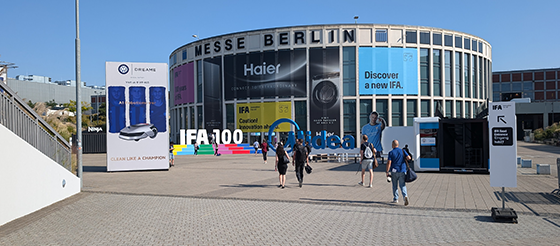
AI is our friend, not a foe. It not only helps us magically enhance the photos we take on our smartphones, it helps us save money on our wash cycle and improve our cooking skills and so much more. Get to grips with it and understand it as you won’t be able to avoid the conversation in the context of your range, sales process and customer experience. It’s going to dominate in 2024 and that was evident from IFA and will be again at CES this coming January.

To read the published article written by Dan Todaro, Managing Director please visit ERT Online

Photo by ThisIsEngineering

Tagged , , , , , , , , , , , ,

CES 2024 – The Weird and Wonderful

Source: IGN

Each year, CES arrives to inaugurate the year with awe-inspiring technology that leaves us amazed. Yet, amidst the spotlight, there’s also the eccentric, under-the-radar technology that captures the hearts and minds of onlookers. This blog post aims to highlight some of the peculiar and fascinating technologies featured at CES 2024.

  1. Starting off, we have one of the more unique products unveiled at this year’s CES – ‘Flappie,’ designed to prevent cats from bringing unexpected “gifts” inside. Conceived by Swiss brothers, their innovative cat flap was inspired by their mother’s challenges in deterring family cats from bringing mice into the house. The flap includes a manual locking system with a chip detection feature, ensuring it opens only for the specific owner’s microchipped pet. Additionally, it boasts internet connectivity, enabling users to operate the door and review camera footage via a smartphone app. This device operates through AI, detecting when the cat is carrying something in its mouth and withholding unlocking the cat flap until the “gift” is dropped. This groundbreaking cat flap is set to retail for £310.
 Source: Flappie
  1. Introducing the Rabbit R1, a standout product from CES 2024 that has sold out twice within just 48 hours. The Rabbit R1, measuring half the size of an iPhone 15, boasts impressive features such as 4GB of memory, 128GB of storage, and a powerful 2.3GHz MediaTek processor. Unlike traditional devices, the Rabbit R1 does not host conventional apps; instead, it operates entirely on an AI platform, specifically the Large Action Model.

    This innovative device is designed to offer users a more focused and less intrusive digital experience. Responding to voice commands, the Rabbit R1 can perform a wide range of activities, including booking rides, managing household tasks, and providing answers to queries. As an AI-centric device, it has the capability to be trained and taught to execute specific commands.

    Currently priced at £159, the Rabbit R1 redefines the user experience by combining compact design, powerful performance, and AI-driven functionality.
Source: Rabbit R1
  1. Introducing the AX Visio by Swarovski Optik. While they may resemble ordinary binoculars, these boast sophisticated internal technology. Gone are the days of lugging around wildlife identification books during your wilderness adventures. These binoculars feature an ingenious capability that lets you identify up to 9,000 species by simply observing them through the lenses. Priced at £3,820, this product caters to a niche market, likely targeting professionals or passionate wildlife enthusiasts, given its premium cost.
Source: Swarovski Optik
  1. Now, let’s explore Visage, a contender in the realm of smart door locks. Departing from the conventional models that rely on Bluetooth or phone taps, Visage elevates the experience by introducing biometric authentication and secure access. Simply allow the built-in camera to scan your face for a hands-free unlocking process. This innovative door lock supports up to 100 profiles, enabling every family member to effortlessly access the front door using facial recognition. It’s especially convenient for moments like returning from a grocery run with hands full. Lockly’s Visage is slated to hit the market this summer with a retail price of around £275.
Source: Lockly
  1. Introducing the Vasco Translator E1 – an AI earpiece paired with a connected app, seamlessly translating 49 languages in real time. Say goodbye to the struggles of inaccurate translations and clunky language apps. This innovative device eradicates language barriers, facilitating fluid conversations in real time for up to 10 participants. As the icing on the cake, enjoy free lifetime connectivity for translations wherever you go. Anticipated to launch in Q2 2024, pricing details are currently unavailable. Get ready to experience a new era of effortless communication. 
Source: Vasco Translator

Concluding our showcase of 5 Weird and Wonderful gadgets emerging from CES 2024. This year once again brought forth astonishing technology, spanning from Transparent TVs to AI Cat Flaps. Until next year!

Tagged , , , , , , , , , , ,

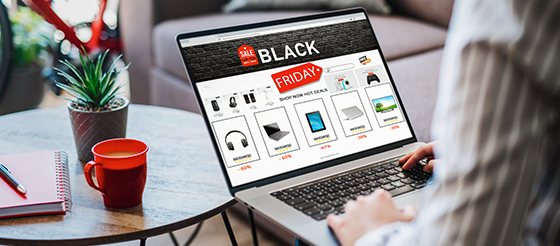
Has Black Friday lost its gloss?

When Black Friday first emerged onto the scene just over a decade ago, retailers could expect queues out the doors, and on some occasions even fighting in the aisles as consumers sought bargain deals. When Cyber Monday entered the fray, retailers’ websites regularly crashed under the strain of excited bargain hunters.

While these events used to provide a boost across the board, there are now clear winners and losers as Black Friday discounting loses its shape and starts to merge into the Christmas shopping. With marketing and sales events starting earlier each year, is now the time for a re-think?

Pressure on retailers

It has been a tough year for retailers. Again, we have seen big names disappear from the high street, and for those that remain the environment is challenging. Increases in production and supply chain costs muddled with competition from big online retailers are reducing profit margins, leaving leaders with tough decisions to make.

Many larger retailers can afford to discount their products as brands support margins and economies of scale apply. However, it is not the case for smaller independents who have to take the hit. They feel they need to take part in Black Friday to compete, and unfortunately, this is adding to the strain they face in keeping their doors open.

Poor deals result in underwhelming sales

Those retailers who can afford to offer site or store-wide discounts are still doing well, but the deals available on Black Friday are not what they once were. Many offers are only applied to end-of-line items or overstock that were heading to the sales anyway.

As a result, many consumers are left underwhelmed. With the cost-of-living crisis, consumers have been spending more carefully than before too. While Nationwide announced a 2 per cent increase in transactions, Barclaycard transactions were down 0.6 per cent year-on-year, suggesting that consumers were happy to spend, but less comfortable with borrowing than they have been in previous years. This hesitation to spend means that consumers are often only prepared to spend on items they were already planning to buy.

The offers created are typically determined by scale and buying power of the retailer, so while large retailers can offer bigger discounts on more products, small retailers are forced to be more selective, leaving them with a smaller piece of the pie, or with severely cannibalised margins.

Lack of differentiation makes Black Friday pointless

We started out with just Black Friday – just one day of epic discounting – and over the years this has expanded to include the weekend, and the following Monday (which is, of course, now known as Cyber Monday), then the weeks before and after, and now the entirety of November, it seems.

Not only has the Black Friday discounting period expanded, but Christmas promotions, supported by seasonal adverts, also seem to start earlier and earlier. It is tough to see any differentiation or even a gap between when one event ends and another begins. Diluting Black Friday only serves to make it disappear into the ether.

The expansion of the sales window means retailers can take a chunk of the seasonal revenue in November as there’s no longer the frenzied buying for Christmas in December. And for consumers, there’s no panic to buy over black Friday weekend as they know there will be other sales, which is understandable and makes commercial sense.

Do consumers care if Black Friday dies?

Recent research from PwC reveals that online interest in Black Friday has dropped from 61 per cent in 2022 to 44 per cent this year. This is mirrored by Google Trends data, which reveals that ‘Black Friday’ as a search is less than half as popular as it was four years ago. With waning consumer interest, it’s clear that Black Friday just doesn’t hold the same intrigue it used to.

Rather than thinking about what we could do to rejuvenate Black Friday, perhaps it’s time to think about whether we should. Black Friday certainly isn’t working for all retailers, in particular independent retail, and it is starting to lose consumers too. It no longer delivers the same benefits for consumers: excitement, buzz and big bargains, or the same, sizeable sales uplift for brands. In some cases, it is coming at the expense of the customer experience, which threatens the long-term performance of brands.

Is it actually worth retailers’ time and effort? My hunch is that it has detracted from the millions invested in Christmas advertising campaigns that now seem almost irrelevant, and blend in as white noise as we skip through the ads to go make a brew.

To read the published article written by Dan Todaro, Managing Director please visit BDaily

Tagged , , , , ,