Tag Archives: Field Marketing

Smoothie operator

juicer banner

With healthy eating at an all-time high, the market for juice extractors and other food prep gadgets has steadily been growing over the past few years.

A recent study by Mintel found that now 41 percent of Brits are cooking from scratch every day, with consumers looking to control their diets and improve their health.

Retailers need to cater to their audience, ranging a good selection of products within the category, with the ability to sell them effectively, as sales are only going to grow.

Now a mainstay of the health food appliance category, sales of low-fat fryers, for example, are continuing to increase, growing by 12 per cent year on year, where traditional deep fat fryers declined by one per cent.

While the fryer category as a whole has grown by eight per cent, two-thirds of this growth is down to healthier fryers alone. With a higher price point averaging at £101 compared with the average £25 for traditional fryers, low-fat fryers are not only a more popular product, but also more profitable for your store.

Likewise, sales of standalone grills have increased by 30 per cent since 2011. The category has seen a jump in popularity as a whole, with 15 per cent of Brits interested in purchasing a grill, compared with only 10 per cent in 2013. Traditional fruit juicers have seen a 35 per cent drop in sales volume since the beginning of 2016. On the other hand, juice extractors (such as the NutriBullet) have grown by 111 per cent and sold nearly one million extra units in the past 12 months.

Healthy

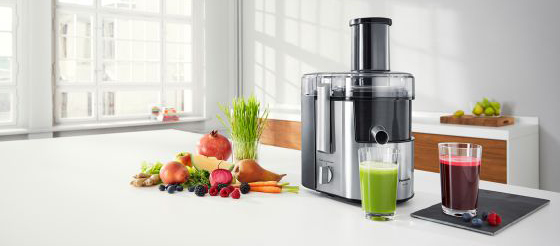
Extractors are taking the market away from juicers because of their health credentials. Whereas juicers only release the sugary juice (sometimes as much as a can of coke), extractors keep the vitamin-filled fruit fibre, creating a healthy smoothie. There are clear health benefits to all of these products, with low-fat fryers and grills cutting fat from everyday cooking, and extractors making smoothies to make it easier to hit that all important five-a-day. However, all of these products are considered purchases, with price points generally higher than their ‘unhealthy’ counterparts. While the health benefits of the products are clear, many consumers will need to be convinced that their new extractor or fryer is value for money.

As such, to make the most of the category, it’s important for your store to explain the financial benefits to shoppers.

A good example is juice extractors – the average price of a medium smoothie (450ml) from a high-street coffee chain is £3.25. Based on the ingredients of this smoothie, making the same thing at home by buying a watermelon, grapes and some strawberries would only cost around £1.35. Using a mid-range extractor, such as the Morphy Richards Easy Blend, it would take only 19 smoothies to recoup the cost of the product.

Based on making one smoothie a day, this would take less than three weeks.

This is a perfect opportunity to demonstrate the financial benefits of a juice extractor to shoppers, many of whom will already be buying smoothies every day from a local coffee shop. Knowing that they can recoup the cost of the product in as little as three weeks will be a huge factor in their decision to purchase, as the extractor will likely save them a significant amount over time.

For those shoppers who favour convenience over savings, a demonstration could change their attitude to the product. Show them how easy it is to make their smoothie every morning, while simultaneously offering them a sample made right in front of them.

Features

If you’ve decided to demonstrate a juice extractor product in your store, set aside a budget to buy fresh fruit each morning on busy days, especially each weekend. Ensure that your staff are trained to use the product, including food and hygiene training, and are briefed on its unique features.

Position the demo stand prominently, offering passers-by a fresh smoothie and the opportunity to discuss the product with a staff member.

The health SDA category is an excellent one to tap your store into consumer interest and market trends. It also offers a great opportunity to create some theatre in store, demonstrating these fantastic new products with colourful displays that will catch the eye of passing shoppers, as well as those already interested in making a purchase.


Read more at: http://ertonline.co.uk/opinion/smoothie-operator/

Tagged , , , , ,

It’s not too late to take on wearables

blaze banner

When it comes to wearables, many retailers may lack the knowledge needed to make them a success in their stores. As a developing category that’s creating a lot of interest in the media and among shoppers, expanding the knowledge base of your staff will help to develop it as a mainstay category in your store.   

Firstly, educate your staff on how wearable devices can make a positive impact on a customer’s health and lifestyle. Whether you ask a supplier to assist you with extra training, or run a training session yourself, it’s important for your staff to understand the category. Encourage your staff to use a wearable device themselves, helping them to understand wearables and become brand advocates. Their knowledge will help to improve in-store education and awareness of the category. Make it part of team building by creating store challenges on the number of steps, etc.

With your staff knowledgeable and ready to assist, educate your customers on the same health and lifestyle benefits by giving them an opportunity to see the device in action through a demonstration, using the team dashboard to aid the process.

Arming staff with a device and a synched smartphone will allow them to demonstrate the product’s functionality. Each customer will have a different reason for inquiring about a wearable device, so have your staff training focus on communication skills so they can offer tailored advice to individual shoppers.

If you’re concerned that your customers will not be interested in purchasing a wearable product, having a staff member speak passionately about how a device can help improve a customer’s health and fitness may change their perception of the category. Don’t forget the compatibility factor and ease of use, as all devices sync with almost any make of smartphone.

It’s not too late to consider ranging wearable technology. The category is continuing to grow and won’t be fading anytime soon. Get over your fears, educate your staff and start with a range that offers choice for each user at a price and functionality level that meets their needs.

Read more at http://ertonline.co.uk/opinion/smart-move/

Tagged , , , , , , ,

Smart Move

smart home banner

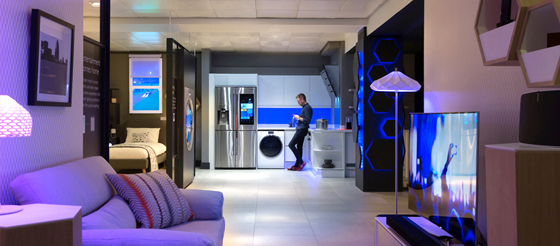
The connected home is now reality, not a fantasy. The global market for smart-home appliances is expected to be worth $38.35 billion by 2020, and will only grow as demand and consumer interest in smart appliances increases. Shoppers will be looking for smarter appliances, but these can be balanced with regular models depending on a consumer’s desire to have some or all of their devices connected.

Some categories are clearly just jumping on the bandwagon, such as a connected SDA, which is in most cases an expensive and underused version of a regular appliance.Yet when considering the connected home from a long-term financial and time-efficiency perspective, some are valid purchases, once you’ve weighed up the cost against its potential long-term worth. Many of these domestic appliance products are, however, costly and there’s a good chance that if you could afford a kitchen and utility room full of connected devices, you’re perhaps not going to be the one cleaning or cooking and directly using the connected devices.

For retailers, the margins on smart appliances are evident, however this must be weighed up against unit sales, which may mean a lower margin than your bread-and-butter range could achieve if it were occupying the same space in your store. While the investment in ranging smart appliances may not be attractive at the moment, remember that sales in John Lewis stores in the smart-home category increased by 81 per cent year on year from 2014 to 2015. This is a growing trend that will likely spread to independent retailers, as smart appliances become increasingly more mainstream.

Having a select range of smart appliances gives your store an aspirational product and proposition for shoppers to consider when looking for a new washing machine or fridge. It’s worth considering that many shoppers looking to purchase a new appliance are doing so as a ‘distress purchase’. These consumers will be looking for a reliable device, not necessarily one with smart features.

However, a demonstration from a knowledgeable staff member connected via a tablet or smartphone, to explain the benefits of the smart system, may persuade many shoppers to purchase for the long-term benefits. These include compatibility with future smart appliances they may add to their home.

My advice is to pepper your range with connected devices, but don’t forget the mass-market appeal of traditional appliances and offer choice at all price points and functionality.

Read more at http://ertonline.co.uk/opinion/smart-move/

Tagged , , , , , , , ,

Should Brands Be ‘In’ or ‘Out’ of the Political Debate?

eu debate banner

When considering how much time, money, and effort brands invest in establishing their equity as a valuable asset, you have to ask: should they be risking this equity by adopting a political position? The answer is probably not, just as you wouldn’t debate religion or social economics in the context of your brand. However, as we are seeing in the UK with the EU Referendum, and in the US with the Presidential race, brands are getting braver and sticking their noses into the political debate, risking alienating those that buy their products based on brand alone.

It’s a given that a brand’s stance on social responsibility is of paramount importance, for example, ensuring they pay a living wage relevant to the countries in which they operate in, paying statutory taxes, and exposing corruption in sponsorship, as in the case of the rather embattled FIFA. But, when the debate shifts to who to vote for, you run a huge risk of upsetting red or blue, left or right, yes or no.

Why would a brand financially invest in finding the most appropriate brand ambassadors or advertising campaigns only to potentially destroy any good will created amongst their loyal fans by pinning their colours to a political cause? Customers are ultimately what generates revenue for any brand. Speaking to your audience in the correct manner is essential to stimulating interest and persuading them to spend their hard earned money on your brand. Therefore, apart from the obvious free PR achieved, why take a gamble by entering into the political debate?

We recently commissioned consumer research, speaking to 2,000 respondents on the effects of consumer spending due to UK’s pending EU Referendum. For those of you who are unfamiliar, the vote could see the UK, a member for over 40 years, leave the European Union. The In (remain) and the Out (leave) campaigns have created aggressive and clever campaigns, coercing some brands to comment.

What our research shows is that brands should proceed with caution when entering the political debate. When asked whether consumers agree with “I’m more likely to support the side taken by a brand that I trust,” 25% of 18-24 year olds disagreed. However, as we progressed to the 55+ age group, i.e. those with more disposable income and more likely to vote, this disagreement increased to 41%. It’s therefore a sobering thought for any brand to realise that you may alienate a large proportion of your loyal customer base – an audience not just buying for themselves, but also the wider family unit.

When asked if “brands should stay out of politics altogether,” a staggering 61% of respondents said yes, with only 7% disagreeing. When you dissect this across all age groups, it becomes more pertinent as the feeling is consistent with 55% of 18-24, 56% of 25-34, 58% of 35-44 & 45-54, and topped by 68% of the 55+ agreeing. Bring gender into the equation and 64% of females feel more strongly about brands staying out of politics, compared to 58% of males, making political brand association more unappealing as originally thought. With research indicating that brands should be politically agnostic, think about any brand looking to endorse Clinton and Trump.

The statistics are a clear indicator for any brand entering the political debate, for whatever reason, it could potentially become a toxic issue causing long term damage to your reputation across the ages and sexes. Why take the risk? A brand’s social conscience should prevail, and any legitimate lobbying should cease when it spills into the public domain. The damage caused to your brand is likely to outweigh any financial gain from influencing the electorate.


Read more at: http://www.brandingmagazine.com/2016/06/15/should-brands-be-in-or-out-of-the-political-debate/

Tagged , , , , , , , , ,

With 23 days to go until the EU Referendum, Gekko research has identified that a possible Brexit vote is not hindering shopper confidence

shopping centre banner

A new survey from Field Marketing agency Gekko has revealed that consumer confidence is stable in the face of stark warnings from both sides of the EU debate. Asking 2,000 UK shoppers whether they were worried about the threat of Brexit when making a purchase decision, the survey found that over half (51%) of consumers do not feel the need to put off making an important purchase until after the referendum result. This is especially relevant for older generations, with the survey finding that 60% of those 55 and over are confident in the state of the economy leading up to June 23rd. Thinking about the results of the referendum, a significant 73.5% of UK consumers stated that their decision to make an important purchase would not be affected by the result. In fact, only 6.4% of consumers felt a vote to leave would dissuade them from making a considered purchase such as a consumer electronics or domestic appliance product, which are rarely purchased on impulse.

The survey also found that, despite many brands coming out in favour of either side of the referendum, a high proportion (61.3%) of UK consumers feel that brands should stay out of politics all together, instead leaving the argument to the politicians. This is strong message for many big brands which have come out in favour of either side of the referendum, including Unilever, Ryan Air, EasyJet, HSBC and Marks & Spencer. However, these brands shouldn’t fear any consumer backlash from their stance – whilst the majority feel they shouldn’t get involved in politics, 49% don’t change their opinion of a brand depending on their stance, and only 21% have indicated that they have a negative opinion of brands that do not share their view. Most consumers will still buy a brand regardless of their political leanings.

Daniel Todaro, Managing Director Gekko Group, said: “what’s clear for brands is that consumers are currently very apathetic towards the possible economic impact of Brexit. Brands warning people against leaving the EU are failing to get the economic message across as 32% of consumers polled remain unsure or unaware of the impact of import tariffs being imposed post Brexit.”

“Looking at the high street, brands and retailers should not be putting off any product launches or promotions, as consumer confidence looks to remain high. However brands should avoid entering into political debate where they can. These results are good news for retailers who might have otherwise expected a dip in sales depending on the result.”

Read more at: http://fieldmarketing.com/news/gekkos-2000-shopper-survey-finds-brexit-vote-isnt-hindering-shopper-confidence/

Tagged , , , , , , ,

The main event

ert main event banner

As we approach what promises to be another ‘Summer of Sport’, retailers should remember that John Lewis saw revenues increase 8.6 per cent in the quarter including the 2012 Olympics, thanks both to its own sponsorship of the event and increased sales of third-party brand products who were also sponsors.

Whether large or small, all retailers have an opportunity to use a major sporting event to drive shoppers into store and convert them into customers. Be creative.

Here, I would like to suggest five steps to ensure your store is ready to get the most from this year’s sporting festivities.

Prepare

  • Find out who the sponsors are and which of your product categories will be seeing a potential boost, helping you to prepare by prioritising your planning to focus around the key categories.
  • Although there will be a lot of above-the-line (ATL) campaigns running during the summer, 44 per cent of consumers are not convinced by ATL alone, preferring instead to buy tech and CE products they have seen advertised, in store.
  • Brainstorm ideas to think of innovative ways to engage shoppers, and potential in-store events. Engage your staff with this, as they will likely have some great ideas from their time already spent with customers.
  • Think about asking brands for extra staff in preparation for the busy summer period – will you need more people to run your in-store events and create the customer experience you desire?
  • It seems obvious, but make sure you have enough stock of your main items. None of the events you plan will mean anything without the right stock.
  • Get ahead of the game – rather than waiting for the events to begin, make sure you’re prepared in terms of p-o-s etc. If needed, ask for support from your suppliers who will be running promotions of their own.
  • Use your event sponsor brands logos in your local advertising as an eye-catching link to your promotions and in-store experience.

Train

  • Make sure your staff are knowledgeable on your key product ranges, which may see a boost around the event. With 87 per cent of shoppers commonly asking for assistance in-store, and 36 per cent regularly influenced by advice offered by a staff member, your promotions and product demonstrations will only be effective if your staff can confidently speak to customers about the products and how they meet their needs.
  • Just as you’ll be using demonstration models to engage with shoppers, let your staff have a play with the products, allowing them to understand the unique features and selling points first-hand.
  • Make sure your staff are trained to support all customers coming into your store, regardless of their interest in the sporting events. The last thing you want is for a non-sports fan to be put off by the football-centric sales pitch of your staff. A general approach with good product knowledge will assist sales across all demographics, and aim to sell through the range to match budgets and needs.

Set targets

  • Work out what return of investment you want and set your sales priorities accordingly. Putting on a variety of events and promotions is a great way to engage with shoppers, but most importantly it needs to make financial sense before committing any funds.
  • Make sure your staff know what target they should be aiming for. Without cooperation between the sales office and the shopfloor, you’re not going to see the results you’re aiming for. It’s a team effort.
  • An incentive for increasing sales may help to motivate staff. Perhaps a sales league or a prize for most attachment sales will encourage your staff to join in with the promotions. It’s not just about exciting your customers – get your staff involved to build team spirit and make your store a fun and engaging environment for consumers. Ask brands to support your incentives.

Promote

  • Make window displays and p-o-s visible and branded to reflect any brand ATL campaigns. Brands increase their use of outside advertisement around large sporting events. For example, it increased by 25 per cent during the Olympics in 2012, according to Media Week. This is especially the case for sponsors of large events, so use the brand recall created by these adverts to your advantage, especially if a large outdoor ad space is in sight of your store.
  • Vary the offers you’re running across a sporting event. If there’s an important stage of the competition, such as Super Saturday at the Olympics or a Home Nation match, tailor your promotions and p-o-s to reflect this, rather than just having a generic message. Some variety will help keep your promotions fresh and will continue to entice customers into your store.
  • Get involved on social media. Virtually all the big brands will be getting involved with the official hashtags and messages. Join in online to further engage with customers away from the shopfloor, quoting brand tweets with your store details and promotions. During the 2012 Uefa tournament, 61 per cent of all the social media engagement over the group stage was with the top three sponsors, including the mobile network Orange.This is a huge following that you can tap into. Likewise, although not a sponsor of the 2014 World Cup, Nike was still able to reach more consumers through its social media offerings than the official sponsor Adidas – mainly because of Nike’s smart strategy of jumping on the back of the official hashtags with their own clever campaigns. You can do the same, tweeting and using Facebook to join in with the official social media campaigns.

Customer experience

  • Create engaging demonstration areas to inspire the consumer and allow them to interact with your products. Almost three-quarters (74 per cent) of consumers like to shop in-store because it allows them to experience the product before buying – a service they cannot get online. This first-hand product experience allows consumers to imagine it in their home and converts them from interest shoppers into buyers.
  • Make your store part of the wider experience – make the customer a part of the action by involving them as much as possible, whether through demonstrations or competitions and the like. Having some relevant p-o-s isn’t enough to excite shoppers, but building on their excitement by creating an engaging shopping experience will complete the customer journey through from above-the-line adverts to the shopfloor.
  • Ensure that any demo units are fully working. Shoppers need to see how devices work to know if they’re right for them, so ensure they are web-enabled and linked to other products to provide a truly complete demo. With 70 per cent of consumers saying a demonstration could tempt them to spend up to a third more. This could mean the difference between an entry-level and higher-price-point sale.

For more please visit: http://ertonline.co.uk/opinion/the-main-event/

Tagged , , , , ,

Celebrity Endorsement in Technology Still Requires Innovation to Succeed

huawei_cover

Is it a bird or a plane? No, it’s just Henry Cavill using his new Huawei P9+, making him the Ying to Scarlet Johanssons Yang. Both celebrities have cleverly signed up to be the new ambassadors for China’s most recognised international mobile handset brand, Huawei. As two of the most recognised actors on the planet with a box office track record that spans 44 films, which when aggregated amount to almost $8 billion in box office takings (with an average earning of $190 million for each film), why wouldn’t you? After all, Scarlett Johansson has a history of brand ambassador success (if you ignore the disastrous Sodastream ambassador role), which includes Moët and Dolce & Gabbana. She is also one of the worlds most profitable actors, with her movies making on average $84.90 per $1 spentthe highest grossing being Marvels The Avengers.

Johansson, with her own tech credentials in Her and as the indestructible enigma in Lucy, is a credible weapon in Huawei’s armoury, whose current mobile device market share equates to 7.3% (making it the third largest mobile handset manufacturer behind Samsung and Apple in global shipments). Yet in the West, ask anyone about the brand or how to pronounce it, and it would seem that few have heard or know about the most innovative tech firm to come out of China.

Cleverly, Huawei has not only scored with its choice in celebrities, but also in bringing the brand closer to the psyche of its users. For instance, by partnering with Leica, the German lens and camera manufacture of premium photography devices, they add traditional Western brand credentials to what, in tech terms, is a relative newcomer with ambitious plans. As Richard Yu, CEO, Huawei Business Group, comments, “We believe in cultural technology, born out of people’s curiosity and desire to be creative by changing the way they experience the world around them. With the P9, working with Leica, we have challenged the norm of what was possible in lens technology – a game-changer for smartphone photography.”

In comparison to other brands, its challenges are huge:  How do you engage with an audience who has likely never heard of your brand? Leica, Scarlett, and Henry are good starts to carving out positioning to a wide audience and extending the brand appeal through these partner choices, but it’s the look, feel, and ability of the product that ultimately wins through.

Working on how to engage with audience and retail partners, to convey brand message and vision, is crucial as Huawei embarks on this ambitious ATL product launch. As with any mobile brand, the carrier message and being recommended as the product of choice, will more than likely convert curious shoppers of the brand into customers — who will hopefully not only become advocates, but also loyal brand users beyond their first P9.

The challenge for Huawei is competing against the budgets of other handset manufacturers and creating a cost per acquisition, which makes commercial sense by bringing the ATL to TTL at this critical stage, to engage with carrier staff and ultimately consumers. No celebrity endorsements or brand associations will achieve the cut through your desired target audience without a good product that attracts the backing of retailers and networks to evangelise about your brand and your vision. These will serve to set your brand apart from the usual suspects and achieve financial and customer satisfaction for all.

Establish the brand without gimmicks, lean on your Android platform credentials, become the product innovators to establish your channels, and work hard to develop them. Once you’ve created your core, increasing confidence in your product and brand, go bold and take it to the mainstream — being mindful that you want to keep your premium status whilst remaining profitable, and avoid being yet another brand struggling in a saturated market.

What these clever brand associations and celebrity ambassadors allow Huawei to do is make some significant noise in the market, an enviable position to be in which other brands will scrutinise with envy. This opportunity to make an impact and a positive first impression with many via this campaign, if carried through successfully, will establish and increase brand recall to spark the desired curiosity in the product. This curiosity can be captured and developed by Huawei to become the brand that splits the mobile handset market and gives consumers a choice. Variety in a bland market makes consumers rethink which device to settle for, rather than opting for the default brand they’ve become accustomed to or network they’re familiar with selling.

Now, whilst glamour is assured, I’m not sure if Henry or Scarlet can break the market alone for Huawei. But, with the assistance of an established and respected brand such as Leica and some clever routes to market activation, it’s fair to say that Huawei is in a better position than most to grow market share in a crowded market and position themselves as a recognised brand.

Read more at: http://www.brandingmagazine.com/2016/05/10/celebrity-endorsement-in-technology-still-requires-innovation-to-succeed/

Tagged , , , , , , , , ,

Let’s go surfin’ now, everybody’s learning how

sky q banner

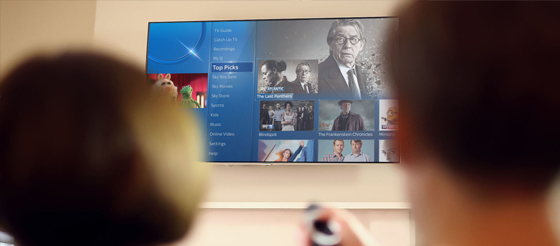
This year we can get set for a summer of sport. The Uefa Euro 2016 is up next in June; then it’s the Olympics in Rio in August, punctuated by the annual tournaments such as Wimbledon. So, it’s understandable why so many fans are streaming content via a variety of devices in the home and on the go.

However, sport is not necessarily for all. With the launch of Sky Q, the opportunity for all members of the family to watch what they want, where they want, is an appealing prospect to many. Sky customers already watch 20 per cent of programmes on connected devices – Sky Q and its ‘fluid viewing’ will no doubt appeal to this group and begin to penetrate slowly the 11 million Sky subscribers in the UK.

For those not looking for a contract, there’s always the opportunity that a smart TV – in particular, a Freeview Play-enabled model – offers consumers. Viewing times for Rio 2016 will be unsociable and not necessarily feasible viewing for a wide audience, but catching up over breakfast via an app is an ideal way to keep up to date.

Fans want to see rather than read about those amazing feats that make a major sporting event, such as the Olympics, the spectacle it is, with an estimated 24.2m viewers in the UK and 3.6 billion globally. In 2012, there were 5,600 hours of footage, which aired globally, cross-platform and amassed the equivalent of 801m hours of watched media.

Similarly, the Euro 2012 tournament amassed an average global audience of 150m viewers per match, with 14.2m Brits watching the final.

It’s a fact that 47 per cent of broadband households have a smart TV in the UK and 93 per cent of smart TV owners connect their TVs to the internet (up from 78 per cent in 2013). Furthermore, 37 per cent of TV viewing time on smart TVs is spent watching on-demand content that is only going to grow, as by 2018 it is estimated that 87 per cent of all TVs sold will be smart. Streaming is now the norm and no longer a special feature.

On February 16, BBC Three, the first BBC digital channel, became an online-only channel, provoking a mixed reaction from fans. But is this surprising, when BBC iPlayer saw a 32 per cent year-on-year increase in users using a connected TV to access the service between December 21 and December 31 last year? This is a trend that is set to increase in popularity, making access to iPlayer no longer a luxury, but a necessity through the household TV.

For those avoiding the temptation of making a smart TV purchase or looking to update on a meagre budget, you can do so with a streaming device, such as Google Chromecast, allowing you to stream from your PC, Chromebook or tablet. This allows users to subscribe to Netflix, which now has almost five million recorded subscribers as of December 2015 and cast those box sets, movies, whatever directly to your TV without degrading the quality of picture or sound.

Other devices include the Amazon Fire TV stick and Now TV, with the option to pay for content, as almost 1.7 million people do already in the UK on both platforms. With 4K streaming available from Netflix and BT Sport averaging an extra £4 premium per month to standard HD streaming, competition is becoming fierce, with Amazon and YouTube streaming 4K content at no extra cost.

To some it may seem that content is currently limited, but it is expected to increase, as both studios and platforms commit to a broader 4K offering as an industry standard across streaming services and 4K Blu-ray in 2016.

It is estimated that in 2016 the global share of 4K TVs sold will be 23 per cent, up 35 per cent in the UK as Britons look to future-proof their viewing technology.

With 46 per cent of Brits streaming music, TV or video at least once a week, and online video accounting for 50 per cent of all mobile traffic, it’s no wonder that the popularity of streaming devices is also on the increase.

A UK study released in January identified that seven- to 16-year-olds spend an average of three hours online every day and 2.1 hours of that is watching TV, with 60 per cent watching TV using a device (phone, tablet, or laptop). Of those surveyed, 38 per cent stated that they did most of their viewing on demand.

For retail, there is a huge opportunity to upgrade customers who perhaps have relegated the old LCD to the play room and are looking to go bigger and smarter.

Streaming content is a growth industry and having the freedom to watch when you want is standard, not a luxury. Give customers what they want or haven’t realised they could achieve. Link in-store demos to wi-fi-enabled tablets or similar to bring the concept to life in-situ to complete the customer journey and boost sales.

Read more at: http://ertonline.co.uk/opinion/lets-go-surfin-now-everybodys-learning-how/

Tagged , , , , , , , , ,

Have a techie New Year

sonos banner

Oh no, it’s happened again. The peak sales period is upon us and while consumers are getting over Black Friday and preparing for Christmas, retailers will be trying to predict the big sellers for 2016.

The next phase of growth is going to come from the Internet of Things (IoT), which is only going to be more relevant and significant in our lives as we all become even more connected.

The retail landscape is evolving and the need to be current in your ranging is as important as the service and experience you provide.

SDA

Kitchen tech is continuing to battle for space on our worksurfaces and in the lead we still have blenders. This trend is sure to continue into the New Year, with the Nutribullet, Magimix and Nutri Ninja taking breakfast by storm for millions of smoothie lovers. Health blenders are a fantastic gift for any health-conscious individual looking to lose a pinch after all that Christmas feasting. John Lewis on Oxford Street sold an average 100 health juicers a day during ‘peak’ in 2014.

Streaming

Music streaming and multi-room speaker devices are expected to be a huge hit, with innovative products like Google’s Chromecast Audio streaming music from your smartphone, tablet, Chromebook or PC to any speaker in your home.

Likewise, multi-room speaker systems from Sonos will continue to be popular, but don’t forget alternative solutions from Bose and LG.

A perfect gift for audiophiles, music streaming is becoming mainstream with physical music now a collector’s pastime. Take the opportunity to attach sales of streaming devices to non-connected speakers, or upsell to a future-ready connected speaker system. Sales of connected audio devices such as soundbars, wireless speakers, headphones, etc, are expected to increase to 267 million units in 2018, up from 58m in 2014.

Multimedia

Streaming devices turn any screen into a multimedia centre and the leader of the pack is by far Google Chromecast and Chromecast Audio, both the easiest sale you’ll ever make – only £30 to turn any TV with an HDMI port into a smart TV. The original Chromecast sold over 20m units, so expect the updated model to sell even more. Other streaming devices, such as Now TV, allow users to purchase one-time subscriptions to premium channels, meaning they can watch the Boxing Day football on Sky without having to pay for an expensive box and subscription.

However, if users prefer not to pay for content, it’s no longer necessary to have an expensive subscription service as they can now have Freeview Play built into Panasonic TVs or upgrade any TV with a Humax set-top box.

Home tech

Smart home solutions are an inexpensive and practical gift for many and connected security cameras are fast becoming an IoT mainstay. Coming in from around £50, a smart security device, such as a connected doorbell or camera to monitor your house and pets remotely, would make a good addition to any home. Brands to look at include Motorola and Belkin.

With a cold winter in prospect, a smart thermostat can give homeowners complete control over their heating, wherever they are using their smartphone. Hive’s newest smart thermostat is a stylish statement for the home, with its unique design adding to its great practical features and fantastic app.

Appliances

Sales of smart devices are expected to explode over the next five years, so it’s no surprise to see brands across the home appliances spectrum, including Hoover, LG, Samsung and Whirlpool, investing in connected appliances.

Smart appliances from the likes of LG can also be integrated with existing smart thermostats, monitoring activity and setting appliances to switch on or change setting automatically when it deems best for a family’s lifestyle.

Retailers can get ahead of the curve, offering shoppers a connected product that will integrate with their existing smart devices and, more importantly, IoT products they are perhaps likely to purchase in years to come.

Wearables

Fitness wearables and smartwatches show no sign of abating, with sales of fitness gadgets having increased by 900 per cent over the past year, according to Dixons Carphone.

The New Year is a time when people’s thoughts turn to getting fit, and fitness wearables such as the Fitbit Charge HR are packed full of features.

A great way to sell the benefits of fitness wearables is to give them to staff to wear on the shopfloor. Linking the devices to their own smartphone will also help them to demonstrate the features.

Across every category, there is innovation to suit all pockets. Show your consumers how these innovative products work together, not as separate products. Do them justice and show your customers what the IoT is all about and how great it can be.

Tagged , , , , , , , , , , , ,

It’s Black Friday – I’m in love

ert black friday banner

With nearly seven out of 10 retailers (68.9 per cent) expecting Black Friday to become more popular over the coming years in the UK and Ireland, it is likely to remain an important retail event for the foreseeable future.

Cast your mind back to the Armageddon-like scenes of 2014 where people literally fought to secure a bargain and, in some cases, bargains they didn’t want or need.

From a brand perspective, retailer or product, how can you tame Black Friday to continue driving excitement while maintaining a positive customer experience?

The fact is that Black Friday is good for all retailers, irrespective of whether you take part or not. Statistics have shown that UK retail footfall year on year for Black Friday 2014 had an increase of 9.8 per cent overall. When broken down into locations, the high street saw a 7.2 per cent rise, shopping centres an 11.3 per cent rise and retail parks a 14.4 per cent rise. This demonstrates an increase in opportunities to sell not only deals, but also stock items.

Advertise your offers in advance and consider a “by invitation only” VIP Black Friday event for your customer database.

Looking online, use social media and your website to pull customers in-store. Local advertising and banners can help your store stand out from the rest, creating an event to enhance the customer experience and drive excitement.

It’s obvious that you need to make sure you have sufficient stock, perhaps also implement a ticketing system, as people who really want an offer won’t mind waiting if it means they get it without the risk of a scuffle. Also, consider your non-bargain-hunters who may just want to shop – the hordes will only discourage your average shopper.

Place bulk-stack deals near the doors, avoiding obvious security risks, and encourage a flow through your store.

Keep the store busy with offers located in prime positions, supported by staff on hand to carry the item to the till or at least make customers aware of the offer to help shift those boxes. Link sales to other items – while a big-screen TV may be appealing, it still needs an HDMI cable and you’re more likely to make that connection sale if it’s also on offer. Better to attach than not.

Your online sales shouldn’t be excluded – 30 per cent of survey respondents plan to buy online during Black Friday 2015, up from the eight per cent who purchased online in 2014.

Still, consider delivery charges, which can negate any profit made for both you and your customer. One key thing to consider is whether your website can keep up with the pressure of increased traffic. In 2014, 12 per cent of shoppers experienced technical issues when purchasing goods online during the rush. If you are planning to run important deals online, preparing your site to handle large numbers of users will prevent lost sales and angry customers.

Big-box retailers and grocers alike court the publicity and will create PR hubs that achieve those sensationalist, headline-grabbing TV images. It’s therefore important to note that if you put on a Black Friday promotion, it isn’t necessarily going to turn into a bloodbath. However, the increase in footfall and sales is evident but, just in case, do make sure you can still sell on the stock after the event.

Finally, how can your brands help support your promotion or even your event? In crowded categories, Black Friday is an opportunity for many brands to gain distribution and market share through selling end-of-line products. For electrical products, GfK measured a value growth rate year on year of 24 per cent and, not surprisingly, 59 per cent week on week. When broken down by category, Black Friday 2014 average sales increased significantly compared with the week before, with mobile sales up 129 per cent, more notably TV was up 103 per cent and audio up 157 per cent.

This clearly identifies the opportunity for electrical retailers with careful selection of products and brands within your core lines. Working in partnership to leverage sales could work to create a more intelligent and rewarding Black Friday experience for retailers, brands and most importantly consumers.

Read more at: http://bit.ly/1NYWNuI

Tagged , , , , , ,