Tag Archives: Innovation

Why digital shelf analysis is the key to Black Friday success

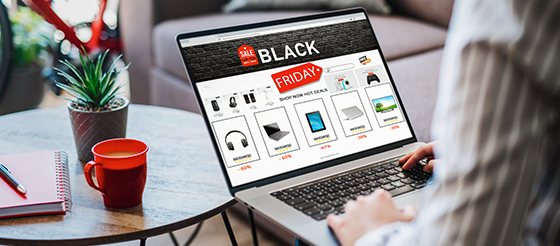
After another year of squeezed personal finances and lacklustre sales, retailers and brands are hoping for the biggest Black Friday ever to boost sales and profitability.

Last year, consumers spent £3.45bn over the Black Friday weekend, with 66% of purchases estimated to have taken place online. With fierce competition for a share of the Black Friday pie, brands need to ensure that their digital footprint is shipshape before the frenzy begins.

Getting your house in order

While pricing is important, it is not the only thing that brands need to consider – particularly if they have big-ticket items on offer. For brands that work with multiple third-party retailers, the chaos surrounding Black Friday means that ideal positioning, product descriptions and images can fall by the wayside – but this can lead to a disjointed experience for consumers.

When consumers are faced with multiple deals and a wide range of product options across multiple retailers, consistent presentation in digital merchandising is critical for avoiding confusion. Trying to compare different but similar products – or the same products across different websites – becomes much more challenging when descriptions, specifications and images are inconsistent, potentially losing sales to brands or products which are better aligned across platforms.

Certain elements, particularly description and images, are also critical for search, so it is important to ensure that your digital merchandising is on point so that potential customers find your product in the first place.

But, for brands working with multiple retailers, reviewing and tracking how products are presented manually can be a huge – arguably impossible – undertaking, so finding a digital shelf analysis or web-scraping service that can automate part of the process can significantly help when it comes to getting your house in order.

By tracking, collating and analysing data on your products, brands can identify where standards may have slipped or information vital for consistency and searchability is missing, and approach their account managers in good time – before the Black Friday chaos begins in earnest.

Thinking beyond the self to the wider shelf

During this discounting period, competition is fierce. When it comes to analysing your brand’s digital merchandising performance, it is critical that you think beyond consistency, stock levels and presentation, and consider the whole shelf.

If you are already undertaking analysis of your brand’s positioning, consider the value of analysing the whole shelf. How do your products stack up against your competitors? Maintaining your own marketing strategy is critical, but at a time when prices are constantly changing, it is important to know where you stand.

This is where digital shelf analysis that tracks not only your own products, but the competitors can really come into its own, helping you to create a real-time competitor strategy. Combining data from web-scraping with retail expertise will enable you to respond to competitors’ activity with your own at the right time and across the right platforms.

Staying one step ahead

Third-party retailers are juggling data from all their brands, and relying on their feedback could leave you behind the pack. Everyone wants a piece of the Black Friday pie and when the chaos hits, you’ll want to be armed with real-time and past data that can help you stay consistent and searchable and reactive to competitors.

Based on an analysis of data from GWS, our proprietary analysis tool, retailers started discounting from mid-November last year – and some of the biggest deals for consumers hit before the Black Friday weekend started. Equipping yourself with actionable information will allow you to be competitive when it counts, allowing you to cut through in an increasingly fragmented and challenging environment. 

To read the published article by Toby Stupples, Client Delivery Director please visit PMW

Tagged , , , , , , , , , , , , ,

Digital shelf analysis: The secret weapon for brands this golden quarter

In Britain, 67% of consumers plan to spend the same or more than last year during the 2024 golden quarter1 so brands will need to pull out all the stops to get their slice of the pie, particularly when it comes to sales and marketing strategies.

With huge retail events like Black Friday and Cyber Monday on the horizon, plus the flurry of activity surrounding Christmas gifting, having clear visibility of online activities and transaction success has never been more crucial for brands and retailers.

Smart shelf analysis with Gekko’s GWS

Maintaining a clear overview of inventory online has become harder due to capacity and sheer volume of points of sale. Online, data analytics is transforming the ways brands monitor data about both their own products and the others on the shelf, providing insights that help improve performance and the overall customer experience.

Digital shelf analysis is a secret weapon in helping brands understand what’s working, and what’s not. New tools and enhancements like GWS from retail experts Gekko provides brands with clearer visibility of metrics from retailers such as share of voice, pricing, stock availability plus ratings and reviews, providing visual and actionable insights to enable brands to maintain market share and execute strategic marketing objectives.

GWS helps brands to monitor, manage and review e-commerce performance across selected retail platforms, gathering digital shelf data from specific retailers and presenting it back in an easy to digest dashboard. In turn, this data helps brands to understand their performance against the competition, including monitoring and reporting on sponsored positions to understand which brands are investing with which retail partners, providing crucial information to better manage strategies, partners and product listings.

By monitoring how products are presented, these tools also help to enhance the customer purchasing experience online, as it allows brands to ensure that descriptions, images and positioning is consistent across third-party retail sites. Additionally, with customer reviews and star ratings of products being some of the biggest factors in converting sales online, web-scraping assists in constantly checking and maintaining the display of this information to enhance the purchase experience, and ultimately help to gain market share over competitors.

Maintaining the competitive edge

Despite Black Friday maintaining its position as the most anticipated retail event of the year, it is becoming more diluted than ever before. Coupled with high inflation and the continuing cost-of-living crisis, brands need to secure a competitive edge.

As many consumers are now making split-second purchasing decisions based on price rather than brand preference, retailers also need to consider how they respond. Unlike other web-scraping tools, GWS offers analysis of the full digital shelf, allowing brands to track real-time competitor activity and establish a strategy to maintain competitiveness, particularly at this time of year, when costs fluctuate so frequently.

Price monitoring via e-commerce platforms can provide last minute insights for brands to track prices and share of shelf against competitors to ensure they are offering the most compelling deals and packages; a clear advantage amid the deals battles of Black Friday and Cyber Monday, and across the omnichannel strategy.

Analysing the full spectrum of shelf availability provides a great overview of stock requirements in line with demand. Additionally, it provides clear and precise predictions many months in advance of seasonal discount days, like Amazon Prime Days, Black Friday, Cyber Monday and the Christmas gifting season.

Stamping out the competition for success

With this in mind, the best way to get ahead is to plan ahead. Having a full view of a product’s retail landscape and that of its competition provides brands with the information needed to negotiate with retailers for better pricing and placement throughout the year – but it is vital during the golden quarter.

Competition from other retailers and brands limits how successful traditional calendar events like Black Friday can be. So, brands need to get a leg up on the competition by taking a holistic view of the entire shelf, and adjusting their activity and pricing accordingly. This way, they can secure a higher return on investment, along with a wider understanding of consumer behaviours and the ever-changing market.

To read the published article by Toby Stupples, Client Delivery Director please visit Retail Sector

Tagged , , , , , , , , ,

Reaching the Peak

The Golden Quarter for retail is upon us and hopefully, by the end of the year, the figures will be reporting a successful Christmas period for retailers and pointing towards an even rosier outlook for 2025. Since the last retail peak season we have had a change in government and there is noise that the intention is to introduce economic policies designed to boost disposable income, including raising the minimum wage and public sector salaries. The potential increase in spending power for some is offset by the worry for many that increased taxation will mean the cost of living crisis will continue to leave its unwelcome mark.

Alongside this Labour has also pledged to reform the business rates system, which is a major burden for physical retailers. Their proposed new system of business property taxation aims to reduce costs for high-street shops, levelling the playing field between brick-and-mortar stores and online retailers. This is expected to reduce operational costs, allowing businesses to invest more in customer experience and competitive pricing.​

Focus on revitalising the High Streets will be very much welcomed, whether through the aforementioned reduced taxation for brick-and-mortar stores or measures like introducing banking hubs and cracking down on shoplifting by increasing police presence. These efforts are designed to create safer, more vibrant shopping environments, which could attract more foot traffic and increase sales for local businesses​.

The reality though is that it’s too early to say what impact the new government will have on the fortunes of the retail sector in the UK, so retailers need to focus on maximising the opportunities that the peak season presents, seeking wherever possible to boost sales and leave a positive lasting impression with customers. The challenge is tough. While high inflation is perhaps not the worry of 12 months ago, rising living costs are still very much having an impact and then there are factors such as staffing challenges and store closures. To ensure a successful golden quarter, retailers must take a strategic approach. By prioritising adaptability, customer engagement and operational efficiency, retailers can stand out and remain competitive, even as consumers potentially cut back on spending.

Success during this time also demands careful planning, strategic insight, and perfect execution. Without proper preparation, retailers risk missed opportunities and unhappy customers. To make the most of the peak season, it’s essential to start planning early. This involves setting pricing strategies, organising promotions, staffing, launching marketing campaigns, and making any necessary operational adjustments, such as embracing digital transformations or strengthening supply chain resilience.

First and foremost, adopting an omni-channel approach that seamlessly blends online and offline shopping experiences is essential. Offering customers the flexibility to research, purchase and receive products across multiple channels ensures a smooth and convenient shopping experience. This should be viewed as a long-term strategy, not a short-term solution, as it creates a strong foundation for attracting, converting, and retaining customers. 

Another overlooked strategy which has caused a lot of customer irritation for many retailers and online stores during a Black Friday or an event is website load capacity. We’ve seen it countless times where websites have crashed on the customer due to an overwhelming amount of traffic to the site, this in turn can cause a spiral of negatives, ranging from loss of sales, loss of customers and negative reviews. It’s 2024, there shouldn’t be a situation where the website is overloaded and subsequently crashes due to traffic load, this is a recurring theme for many businesses and sites and needs to be taken seriously in the planning stage. 

Investing in technology is key to enhancing the online shopping experience for your customers and it can also provide a significant advantage for retailers. Improved website functionality and optimised mobile responsiveness can help create the seamless omni-channel experience retailers aim for. This combined with the website reliability/stability that comes from investment, will set your website apart from the crowd. Additionally, emerging technologies like AI-powered assistance, virtual try-ons, and AR options can further elevate the experience by allowing consumers to visualise products in their own homes.

Offering targeted promotions and discounts to drive sales during the golden quarter is a proven strategy, but it’s crucial to know when and when not to discount. Retailers might consider bundling products, offering exclusive deals, and leveraging loyalty programmes to encourage repeat business, these promotions are by far the most common ones implemented, however, there’s been a rise in alternative promotional discount incentives such as tiered discounts, which are seen more and more with the basic concept being progressive discounts to entice customers to spend more, e.g. 10% off for £50 spent, 20% off for £100 spent. Another seemingly popular promotion is the flash sale. These limited-time discounts create a sense of urgency, which can generate excitement and increase traffic. You’ll see a lot of these flash sales with Amazon and their Prime Day, where offers can last up to an hour or until stock runs out. However, as much as these promotions can boost demand, it is essential to plan ahead and ensure a strong, stable supply chain to avoid disruptions. Building supply chain resilience is key to meeting customer demand, so where possible, consider diversifying suppliers to safeguard product availability.

Retailers offering online sales will have already put careful thought into their delivery and returns policies. However, as peak season approaches, it may be time to reassess. Were there any lessons from last year? Free returns are highly valued by many shoppers and could give you an edge over competitors. As we’ve seen recently, there are countless businesses that are charging for returns now, usually in the form of passing the postage cost over to the customer, which re-emphasises how much customers value free returns and the edge it can give you over your competitors. However, managing the increase in orders can strain customer service teams. Whatever approach you take, it must be clearly communicated to customers and streamlined to ensure a smooth, integrated returns process.

Effective customer service is essential, and it’s crucial to equip staff with the skills needed to deliver outstanding service both in-store and online. Well-trained employees can significantly improve the shopping experience and foster lasting customer relationships. In the world of the internet where all information is at your fingertips many shoppers will have already researched before entering stores, so simply repeating what’s on the display POS won’t be enough. Empower sales advisors to impress customers with their expertise, advice, and recommendations, making the customer feel like they’ve made the correct decision in coming into the store. Moreover, taking care of your team and ensuring they feel valued at work will not only improve retention but also lead to more positive customer interactions, enhancing the overall shopping journey and encouraging repeat business.

Finally, retailers should explore the support their suppliers can offer. Many brands are keen to assist with a range of activities such as product training, promotional efforts, or additional brand ambassador staffing, in-turn it not only boosts sales of their products but also benefits your business in the process.

As we know, consumers will have no shortage of options for where to spend their money, so it is pivotal that retailers go the extra mile to stand out. Whether this is through engaging marketing— through store representatives, training, or merchandising— all of which can help ensure customers know who you are and why they should choose your products. Once you’ve captured their attention, loyalty and long-term success will follow, extending well beyond the holiday season.

To read the published article by Dan Todaro, Gekko Group CEO please visit ERT

Tagged , , , , , , , , , , , ,

IFA 2024 – Business as Usual?

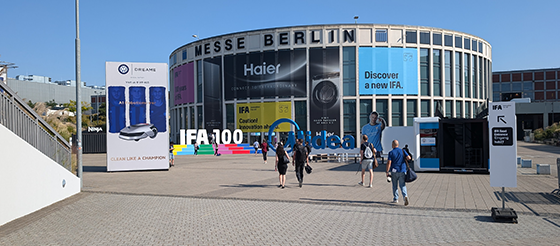
IFA Berlin 2024, Europe’s largest consumer electronics show, was as usual full of exciting product announcements showcasing key trends for all to look forward to in the months ahead and beyond. It was another sold-out show celebrating its Centenary with a new image and fresh approach paving the way for the next 100 years ahead. Recording 215,000+ visitors from 138 countries who came to Messe Berlin over the course of 5 days to witness innovation, experience inspiration, and discover the future of tech from over 1,800 exhibitors. Whilst IFA Berlin may have changed considerably since 1924, some may think that 2024 was a deja vu experience.

Ok, so there’s a lot of AI on offer from almost every brand stretching and relying on the most tenuous of references to AI in relation to their products. AI aside, it could be considered all a bit the same. Once you’ve seen one air fryer, you’ve seen them all and I suspect if you lined up all the air fryers on display in Berlin it would pave a crispy path all the way to London.

However, in all seriousness, IFA remains an essential part of the product life cycle, launching innovation that may have been talked about at CES in January but becomes reality by September for all to marvel and revel in at IFA.

The vast majority of innovation ranged from future tech to the present day and reflected various consumer trends, old and new. Naturally, AI was an important feature, with brands aware that consumers are expecting adoption and development. While AI was prevalent, it largely fed into the idea of user convenience with features that centre around making consumers lives easier. These innovations are present predominantly in products like AI-enhanced appliances, where automations are set to enhance efficiency.

The affordable premium trend also continued, with brands responding to people’s desire for maximum features and durability at a justifiable price. As the cost of living crisis effects continues, consumers are still looking for access to the best aspirational features from savvy brands. Categories delivering this ethos ranged from phones, foldables, smart home devices, laptops and drones, alongside AV and MDA categories, with consumer-centric innovations which are vital in driving the recovery and development of the consumer electronics industry.

The trends evident at IFA were AI, sustainability, and connectivity. All were linked back to AI, which creates convergent devices that save you time, energy, waste, and money as demonstrated fabulously by those geniuses at Samsung who presented the reality of family life in a real house, with kids, pets, clutter and reflective of how the vast majority of us truly live. Time strapped, cash conscious and tired, needing a little bit of help, whether through your Samsung Jet robotic vacuum that docks or Samsung’s Family Hub AI Vision fridge doors that open by voice command and also scan the dates on your produce to tell you what you need to eat quickly and wait for it, even suggests a recipe using those items on the turn that need to be consumed immediately – in my case usually spring onions. This is CE embracing AI to help consumers make decisions they’d rather not have to make, facilitating our choices and enabling consumers to spend their time and money more astutely.

The new Galaxy ring was particularly impressive and its ability to control your phone and other devices from it, as was the new Galaxy Notebooks and Frame Speaker which for me was the stand-out product. The Frame Speaker is quite simply a brilliant idea. Connect up to five in a room and immerse yourself in surround sound in a discreet and stylish manner. This 45x45x5 frame not only looks great on your wall as decorative art but also sounds truly amazing.

Amongst the noise, there was a lot of mediocre news with some new branding for legacy brands like Hoover & Candy, also this year’s on-trend colours for last year’s devices from many and even for some, the same stands. On the whole IFA 2024 was business as usual for many of the big brands and a game changer for others. Whilst many established brands did pull it out of the bag successfully, the innovation also came from those start-ups in IFA Next and from the ever-ambitious and increasingly more exciting challenger brands.

Of note is Hisense’s 8K Sonic Screen Laser TV which is a groundbreaking TV that combines 8K resolution with laser projection technology. Its standout feature is the “Sonic Screen,” where sound is emitted directly from the screen itself, creating an immersive audio-visual experience without external speakers. In the world of wearables and health tracking, RingConn Gen 2 was shown off. This is the world’s first ultra-thin smart ring designed with sleep apnea monitoring capabilities. It continuously tracks health metrics like heart rate and sleep patterns, offering advanced insights for sleep health and wellness and integrating with both Apple Health and Google Fit.

Moving into the world of Mobile’s Honor Magic V3 was showcased at IFA 2024, which is their latest foldable smartphone. The Magic V3 boasts the thinnest, sleekest design, top-tier performance, and a flexible display. Next up is Google’s Pixel 9 Pro which is Google’s latest and greatest flagship phone that has a big focus on AI, equipped with the latest AI-driven photography features and a sleek, user-friendly design. It continues Google’s legacy of delivering top-tier camera performance and seamless Android integration in three form factors. Moving into the laptop category Acer introduced two new laptops with AI at its core. These two laptops are the Swift 14 AI & Swift 16 AI which are both lightweight, powerful ultrabooks that integrate AI features for enhanced productivity. It’s designed for professionals who need a sleek, portable device that doesn’t compromise on performance, with AI tools embedded for tasks like smart photo editing.

Away from the standard everyday categories, IFA also enables and nurtures new categories to showcase products that initially may be considered niche but eventually become a competitive and growth category copied by many. One such item that may be the next growth category is the Outin Nano portable espresso from the brand Buydeem. It’s a hidden gem, with the ability to make coffee on the go with either your favourite ground coffee or the convenience of off-the-shelf pods. It certainly has the potential to be a stocking filler winner, especially for those who enjoy outdoor living and require decent coffee anytime and anywhere.

Another emerging brand with two notable devices that sit within the ‘care’ category is SKG. They offer products that I think could just be what some on the move or at home relaxing may include in their daily schedule. Their E3 Pro Eye Massager is small and whilst not discrete, gives the user full vision transparency enabling the user to see out while no one can see in. It is reasonably priced and offers a heated eye massage to help relax and de-stress. The other is the G7 Pro Fold neck massager which could appear to many to be headphones or a fan positioned around your neck. It actually provides a relaxing massage, with a heated option to soothe knots and muscle tension as you drive or read on the train or bus home after a stressful day at your desk or indeed as you are working from home. Both products sit within the CE category and can fit comfortably into any retailer’s product roadmap as self care becomes increasingly more popular across all age groups.

Innovation that was teased at IFA 2024 and will undoubtedly become standard in 2025 is Wireless Power which now rather impressively takes a leap from the smartphone to the smart home. The Wireless Power Consortium (WPC) announced its new Ki wireless power transfer standard. It offers a new era of wireless power for the kitchen, eliminating the need for power cords being able to transfer power through granite, quartz, marble and even wood. With manufacturers likely to introduce Ki-compatible wireless kitchen appliance ranges this year, it has the potential to change the way we cook and prepare food in the kitchen. Imagine what a game changer this will be in not only the appliances category but also kitchen design. Midea announced its first range at IFA 2024 and I’m confident many more will follow soon.

So could IFA 2024 signal something of a smart home renaissance? Well maybe. Matter, the smart home protocol aimed at unifying devices from multiple brands, was back in focus with multiple support announcements from key brands. There was also Samsung integrating its smart rings with SmartThings which enables the device to trigger smart home automations, and even robot vacuums that climb stairs. Everyday appliances are becoming more intelligent and increasingly better integrated.

The vast majority of what was on display at IFA 2024 is shipping today or landing very soon and retailers of all specialism will no doubt be ranging a significant proportion of them. So with this in mind, don’t take it as business as usual, wait and see approach. Be in the business of surprising and delighting your customers by showcasing new categories and the innovative and appealing new products on offer. Work with your chosen brands to create a customer journey which enhances the brand experience and enables it to pop, full of life and energy to develop categories and create sales.

Real world examples are the best way to sell what some think they may not need or dream about. We don’t all live with clean lines, no clutter, kids without toys or muddy pets. The reality is that we are tired, busy humans who occasionally just want to lounge in our homes and speak commands, set timers linked to programmes, be suggested recipes, sleep peacefully, launder at speed, save money and do our bit for the planet. Keep it aspirational but make it real. Put the product into real world scenarios, not merely a magazine dream that maybe doesn’t translate to the average consumer?

To read the published article by Dan Todaro, Gekko Group CEO, please visit ERT

Tagged , , , , , , , ,

Emerging Trends in Recruitment Technology

Rapid advancements in technology are reshaping the way employers attract, assess, and hire talent. Long gone are the days of posting CVs in the closest letterbox or taking physical copies into offices and stores directly, now it is easier than ever to get your CV to organisations. However, many elements of the process have become more challenging for job seekers to navigate with increased automation, gamification, and more platforms than ever to look for roles. 

Virtual and Augmented Reality in Recruitment

Virtual Reality (VR) and Augmented Reality (AR) are revolutionising the recruitment process. Rather than a traditional, less immersive experience, some organisations are offering an engaging candidate experience through VR and AR, allowing them to get a feel for the office, colleagues, and company culture without having to make the trip. 

Virtual Tours 

Increasingly, it is possible for employers to offer candidates virtual tours of the workplace. This strengthens employer branding and allows for a tour to be more easily organised. Seeing the workplace gives candidates a glimpse into the work environment and culture, with the potential for them to interact with people already working with the organisation. This saves time and travel costs while still allowing candidates to make informed decisions with as much exposure to the company as possible. 

Virtual Interviews

Interviews have often moved to video platforms, but there is a high chance in the future this will progress to interviews in VR. These are more involved than video calls, functioning as if the interviewer and candidate are in the same room, and would allow for some level of proxemics. Much like virtual tours, they save time and money and allow job seekers to attend more interviews as they don’t require travelling between physical locations.

Gamification in Recruitment

Companies have been using gamification, the incorporation of game elements into non-game contexts, in various elements of their candidate and employee experiences. There has been lots of talk about gamification in training and development, but it has taken off in recruitment too. 

Engaging Assessments

Gamification can evaluate candidate skills in a more engaging and interactive manner, such as at Deloitte. Other organisations actively use it during the screening process, such as Unilever, who use mobile games at this stage, making the initial stages more enjoyable and immersive, as well as presenting them to potential employees as an innovative employer. 

These games often assess competencies like problem-solving, decision-making, and strategic thinking. By making the process fun and different to other organisations, companies can attract top talent and gain deeper insights into the abilities of their candidates.

Gamification and AI for Insights

As part of this process, gamified assessments often utilise AI to analyse performance and provide insights. AI can identify patterns and behaviours in line with what it knows of a job role, giving some indication of suitability. This approach may prove controversial at the moment, when candidates feel anxiety about a lack of human touchpoints in the early stages of the process, but do help employers make more data driven hiring decisions. 

Blockchain Technology for Credential Verification

Blockchain technology, well known for its secure and immutable nature, is well positioned to gain traction as part of the hiring process, more specifically for the verification of credentials and work history. 

Once information is added to a blockchain, it cannot be altered or deleted. This makes blockchain technology an ideal solution to the time-consuming task of verifying educational qualifications, professional certifications, and employment history. Institutions would be able to issue digital certificates on a blockchain, which the candidate can give their potential employer access to. This would allow employers to verify credentials quickly and accurately, without the need to contact multiple institutions. While this innovation looks promising, it has not been enacted yet, so while it may provide a more trustworthy and efficient process this has yet to be demonstrated in reality. 

Up-and-coming technological changes and advancements have already made huge waves in recruitment trends, but stand to transform these even further. Incorporating more innovative technological solutions can help a business position itself as attractive to top talent, but does risk creating quite the disparity between organisations who can implement such new technologies and those who cannot – who may struggle to recruit the same level of talent as a result.

Article written by Lizzie Street, Recruitment Executive

Photo from Pexels

Tagged , , , , ,

First Impressions Count

Experience is everything and our research has seen that if you capture the imagination of the consumer and embrace them through the customer journey, 81% of consumers are willing to shop or spend more for experiences that take traditional store shopping to the next level. In simple terms, for a shopper to make a trip to your store, it has to be worth their time, effort and expenditure, creating an experience that exceeds merely the convenience of simply buying online from the comfort of their home.

In these tough economic times, yes it’s hard for both retailers and customers. Retailers can’t necessarily create the experience they’d prefer for their consumers and for the shopper, no one wants to be hard sold a product they don’t like or need, especially during distress purchases, such as the replacement of a large appliance. 

There are some retailers that unscrupulously look to charge brands for access to their doors, which is something many brands refuse to do as it squashes margin and only serves the retailer and not the brand. However, for those more willing retailers, inviting brands into your store is a start in the process of enhancing the customer experience. Create zones that enable a branded product expert to sell directly to the consumer and show your staff how it’s done. A recent report from Westfield showed that 60% of consumers are expecting over half of any given retail space to be driven by these kinds of experiential services. Driving knowledge through an expert enables the customer journey to be elevated, enhancing the possibility of closing more sales and increasing your average basket value through selling up through a range or creating opportunities for attachment sales. 

Think about your store layout and the customer flow. When the consumer bestows the honour of entering your store, yes it’s an honour, they aren’t doing you a favour, think about what greets them. Is it enticing, does it naturally lend itself to making them feel comfortable and can they find what they are looking for with ease. Ask if they require assistance and give them space and let them know that you’re there to help when they need it. 

I’m about to be a judge at the ERT Awards and my pet hate is seeing stores piling it high. Microwaves displayed atop washing machines, dishwashers and cooling. How many of those microwaves do you sell? Is it a cornerstone product that you rely on to generate revenue? Probably not. So to make them stand out like that isn’t, in my opinion, a pleasing aesthetic, more so an eyesore. So why do it when you could make your store look visually stimulating and clear of clutter to enable the consumer to see immediately what you range without having to fight through the riot of product and noise.

If I’m looking to spend some serious money in your store, I want to know that you’re the kind of store that cares about how I’d like to spend it. Listen to what the consumer needs and their budget. Keep it relevant to them and not you. No one likes a bore or someone who clearly doesn’t listen because they want to talk about themselves. The key area of focus within your store to really think about is in making it an immersive environment that your customer feels comfortable in and encouraged to explore and play. 

Enhancing the senses of consumers with your store can be done through very simple things like light, sound and smell but also interactive displays that make the consumer feel connected to the brands that are ranged in your store, enhancing the retail experience for both. Displays aren’t just about enticing shoppers to come in-store. They’re about drawing attention, displaying information and setting products apart from the competition. In the world of considered purchases, integrating tech effectively into display systems can add to the experiential and immersive experience that shoppers increasingly expect from their high street visits, helping to excite and engage consumers.

Personalisation is another factor to consider and one that is increasingly more critical in the customer journey and I hope that what you sell and the brands you range speak to target audiences. McKinsey research has shown that successful personalisation strategies, driven by customer data and increasingly AI solutions, can mean up to 10-15% revenue growth. Is what you sell and the manner you display it and sell it relevant to all and done in a manner which heightens the senses and creates an emotional connection that enhances the experience.

In 2024, the consumer’s purchasing decisions are, it seems, heavily influenced by a product’s ability to resonate with their identities and aspirations, this need can surpass mere cost considerations enabling a potential increase in basket value. This change reflects a departure from older generations’ perceptions, increasing the importance of aligning brand values and the retail approach in line with a consumer’s priorities in a competitive landscape.

Make the consumer feel listened to and important and enable them choice of not only product but also payment terms and delivery. Did you know that 43% of sales are abandoned due to delivery charges or concerns. This is relevant both in-store and the online customer journey, which leads me to your Omni channel experience.

While you might think that younger generations shop online more, actually for considered purchases such as CE, 63.5% want to shop in-store. However, this does not mean that the e-commerce opportunity is any less, especially when it comes to socials. So how does your retail experience translate online through your website and social media? With more and more consumers searching online to research the next considered purchase, do you hold your desired audience and compel them to continue their experience in your store.

It’s also understood that four in five consumers follow brands on social media, with an impressive 95% saying that their purchasing decisions are influenced by what they see and read on social media. It’s therefore important to consider the percentage of consumers that still prefer to shop in-store when shopping for high-ticket items, the future shopper and customer journey will increasingly be based around the online and social media experience. Therefore the importance of getting both right in the context of the customer journey and overall experience, are critical for a retailer’s success.

Core drivers to consider for enhancing the experience for consumers and enhancing that customer journey for both your store and the brands you range spanning an omni-channel approach are; 

  1. The online presence of your store may be the first touch point for your customers, therefore making it enticing and motivating enough to bring the consumer to your door is crucial, especially if you’re looking to attract that younger 63% that want to shop in-store. 
  2. Create theatre that immerses the consumer through lighting, sounds and clear navigation of your store with clearly defined zones that encourage the consumer to dive in and feel invited to play. 
  3. Engage with consumers in a knowledgeable and supportive manner through your staff and continue the customer journey with clear, impartial and knowledgeable advice that is relevant to the consumer, not just merely you or your opinion. 

To read the published article written by Dan Todaro, Managing Director please visit ERT

Tagged , , , , , , , ,

Back-to-school spending to set UK parents back £2.3 billion

The summer holidays are just a week away, but parents are already planning their back-to-school spending. UK parents are expecting to spend an average of £452.40 per child – the equivalent of £2.3 billion* – with many concerned about how they will foot the bill.

According to the new research from retail marketing consultancy Gekko, back-to-school spending, including uniform, stationery and technology, will set primary school parents back an average of £490.80 per child. Parents of secondary school-age children will spend an average of £422.90, while back-to-school spending for college or sixth-form students will amount to an average of £390.20.

The cost-of-living crisis is taking its toll, with nearly three quarters (71%) of parents agreeing that rising costs have made it much harder to afford back-to-school spending. As a result, 61 per cent are worried about the cost of the items they need to buy before the new academic year begins. One third (33%) of school parents will be drawing on savings, but others will rely on borrowing, with three in 10 (29%) putting costs on credit cards, and one in 10 (9%) even borrowing from family to foot the bill.

With three quarters (76%) of schools expecting children to have access to their own laptop or tablet, parents are faced with finding extra cash for technology products – adding to the financial strain. The 23 percent of parents who will need to buy a laptop or tablet before September will spend an average of £511.40 per child.

A lack of technological know-how is making buying laptops and tablets for their children even more stressful for parents. Only 12 percent of schools have suggested specific products, leaving parents to get to grips with the technical specifications they have set (18%) or completely at sea without any suggestions or specifications at all (46%).

One in five (18%) say they find it hard to understand variances between different laptops and tablets, while 17 per cent do not know enough about the technical specifications to make good purchasing decisions. To support these decisions, a quarter (27%) would value clearer information on specifications and features of technology, but ultimately one in five (19%) rely on in-store or specialist help to select the right technology for their kids.

Parents are also balancing their lack of knowledge with pressure from their children, with seven in 10 (70%) agreeing that prioritising what their children need with what they want is challenging. A quarter (25%) want to buy the ‘latest’ or ‘coolest’ tech for their kids, and 21 per cent are concerned about the impact on their child if they choose entry level options.

Daniel Todaro, CEO at Gekko Group, said: “Back-to-school spending is looming large for parents – and with rising costs, it will be more expensive than ever this year. The addition of laptops and tablets to the long list of requirements is an extra challenge due to both the cost and the technical specifications.

Tagged , , , , , , , , , , , , ,

How can retail recruitment face down the gig economy threat?

With consumer finances feeling squeezed amid high inflation and a stalling economy, the retail sector has faced a difficult year – with an average of 39 bricks-and-mortar stores closing every day. This, along with increasing product choice, particularly when it comes to big-ticket items, is making it more challenging for brands to stand out from competitors, with customer experience becoming a focus for driving differentiation.

One way of achieving that customer experience is to play to the strengths of physical retail, offering something that the online world will struggle with: the human touch. People buy from people, and the use of brand ambassadors to focus on positive customer experiences, is a win for brand, retailer and shopper alike. A successful campaign of this nature very much hinges on the team you put in place, which means finding candidates with the personalities, skills, attitude, and experience to work in the retail sector.

In an ideal world, you will be bringing in trained experts with experience of working in the sector – but the talent pool is shrinking with the rise of the gig economy. That, compounded with low awareness of the opportunities available, means that retail recruitment is becoming increasingly difficult. So, what can brands do to draw in their ideal talent?

Competing with the appeal of the gig economy

According to research by the CIPD in 2023, just under 500,000 people are part of the gig economy, from private hire driving and food delivery to web development or translation, and with the rise of platforms like Taskrabbit and Fiverr, workers have even more opportunities.

Despite some significant downsides, workers are being drawn to the flexibility and autonomy offered by these platforms, and as a result there are fewer people willing to work on temporary retail campaigns. With a smaller talent pool to draw from, making it harder for brands to find workers with the skills and experience they need.

How to attract the right people

To compete with the appeal of the gig economy, brands should take a targeted approach, focusing both on their recruitment strategy and their value proposition.

  1. Know your talent pool
    Each brand needs to understand the job market to stand the best chance of attracting qualified candidates who can represent your brand and enhance the customer experience. This means understanding priorities, pressure points and how to reach the right people, and tailoring your approach to appeal to them, including using the right language or tone of voice, creating employee profiles, and highlighting brand values.
  2. Get your timing right
    Anticipating future needs and employing data tools to model demand is essential, especially in industries with variable requirements. Recruitment efforts need to align with job availability to prevent negative impressions and bolster the perceived suitability of the work for potential candidates.
  3. Highlight the benefits
    In a market where many desirable candidates are turning to the gig economy, highlighting how campaign work differs and addresses some of the downsides, can appeal to qualified candidates.

    Despite the flexibility and autonomy offered by gig economy work, there is a lack of security that can lead to work-related anxiety and financial vulnerability. Gig workers do not receive the same benefits as those on PAYE, such as sick pay and paid holiday, and they also face the additional hassle of completing tax returns. When it comes to pay itself, gig workers often find that they earn less than minimum wage after overheads, when campaign recruitment would pay more.

    By focusing on the additional pay, increased security, other benefits, and flexibility (if it’s on offer) brands can show the value of campaign work and draw in employees who would otherwise turn to gig work.
  4. Increase visibility
    Most campaign work offers similar flexibility to gig work, but it languishes in relative obscurity. Put simply, the right candidates simply don’t know it exists. Opening up discussions and promoting this type of work as an alternative to the gig economy will help to net top talent.

The challenge of finding the right team for campaign work is a burden for many brands, which are also juggling other complex priorities. Working with a company, like Gekko, which can draw on a pool of readily trained experts to create promotional teams that can be dropped into stores and immediately deliver results for brands.

To read the published article by Lizzie Street, Recruitment Executive, please visit Retail Sector

Photo from Pexels

Tagged , , , , , , , , , ,

Keeping Pace with the Evolving Consumer

Shopping online became the de facto route to market for consumers in 2020 driven by necessity due to store closures. The ONS reported the proportion of online retail sales peaked at 38% in January 2021 vs 20% the year previous. While the average sales split has returned to 26% since this peak, the manner that both experienced and less experienced online consumers engage with brands and retailers, across multiple channels, has rapidly evolved. With considered purchases, in particular technology but not limited to this, it has sparked a greater importance for a brand’s omni-channel customer journey. This in turn has encouraged a race for retailers to enhance their operational agility in e-commerce to remain competitive and appealing. To play in the e-commerce space is not to simply offer a transactional site online but a well-considered data stack that ultimately understands the customers’ needs at each touchpoint and marries them up to the retailer’s unique proposition.

Further market uncertainty in 2023 continued to drive evolving consumer behaviour. This will continue in 2024 as retailers brands adapt their strategies to convert on the now normal, lengthening online consideration phase due to squeezed budgets. Retail website traffic is increasing year on year, and mobile as a share of that is also increasing. The purchase cycle is likely to lengthen, becoming normal, as consumers sit in the consideration stage for longer across multiple touch points. This is likely to increase as we shop on mobile devices cluttered  with a multitude of content at their fingertips, from social media, bloggers and reviews.

Offsite and onsite content needs to meet the demands of the consumer, wherever they are on their route to purchase. Here we have highlighted three key elements brands can focus on to drive audience engagement and discoverability on partner retail e-commerce, increasing operational agility to succeed amid uncertain market factors.

The potential of data in e-commerce

As known, Google will in a bid to make the web more private, phase out all third-party cookies by the end of 2024, currently deprecated for 1% of Chrome users as of January 2023, which represents approximately 30 million users. This move restricts the ability to track a user’s activity across multiple websites and in turn, the major resource for marketing and sales teams to personalise and deliver targeted ads. The implication for retailers and advertisers alike that rely on paid media via 3rd party cookies to target consumers and measure brand and sales impact, is about to reshape how marketing and advertising works online.

Retailers are looking to harness and better optimise their consented 1st party data to offer better solutions. The potential is positive due to the relevance of data and the control retailers will have to improve the quality of ads and personalised experiences. To realise the full potential, retailers using data as a platform to form stronger partnerships with brands and suppliers will likely uncover a better understanding of their customers and shape the narrative.

Whether it be brand-building initiatives or first-party cookies direct from transactional sites, retailers will be mindful to sensitively use the data they have on their customer’s behaviour. The current reality is low metric transparency from retail websites to the brands as retailers increasingly look to monetise their online store to brands. This highlights the importance of growing data and insight models in synergy with a brands growing media portfolio, to ensure brands see their platform as a viable solution to learn from the consumer, in a trustworthy way, to better serve their customers.

Data unlocking Retail media potential

Retail media is a rapidly growing medium of advertising on retailer e-commerce sites. Global advertising revenue is forecast to exceed television revenue by 2028 and account for 15.4% of total ad revenue. Brands are following the consumer shift to digital commerce with the added appeal of reaching consumers with personalised advertising within the category. Retailers enable varied promotional formats and tools on their owned channels and sell inventory to brands and in turn boost profitability. The benefit to brands is to show up across multiple touchpoints in both physical and digital shopping environments. The ever important omni channel journey demands content that strikes the right chord, wherever the brand is consumed. Continuity of the consumer’s purchase journey with consistent brand messaging, is proven to likely lead to increased trust and confidence to bring the consumer closer to a purchase.

Retail media networks sit in the transactional channel and so appeal to bring brand messaging closer to the point of sale. An ideal touchpoint for brands to engage with their prospective customers and brand awareness amongst the target audience since visits to a retailer’s website or store is not solely to purchase but also to research the products available to them. Tech stack will drive improved accessibility and likely standardise as the shift to retail media grows. Unlike traditional TV, which retail media is set to surpass, the measures and ROI reporting available from purchase behaviour and browsing trends will in turn elevate the brands demands for transparency in metrics and insight.

The race to play in the retail media network space and maximise inventory can potentially de-prioritise the partnership of data and insight to brands. This should be guarded with caution, as retail media supply increases so will the standardised retail media and brands expectation to manage campaigns across multiple networks. Retailers with considered campaign control and insight reporting will unlock the potential of the data to truly drive innovation in the space and grow brand partnerships.

Digital shelf analytics to track e-commerce on site performance

Understanding the full potential of data and highlighting channels in e-commerce to understand consumer needs and trends only stand up with considerable thought into the digital shelf. Brands need to be discoverable quickly on listing pages and relevant search terms, showing up with accurate and consistent content across multiple retailers, customer reviews and how their pricing and promotion strategy stacks up against competitors.

While physical retail has evolved into finely tuned budgets to drive in-store presence, in-store advocacy and inventory management, e-commerce is a lesser-known channel. The digital shelf is the equivalent of someone exploring products in a physical store, the digital experience on a retail site in which consumers discover, learn, compare and purchase products. By first identifying the elements of the consumer experience available with physical retail that e-commerce is unable to match, for example, trained sales colleagues to assist the customer’s purchase decision, we can then identify digital shelf assets to compliment the omni-channel journey. Ratings and reviews from like-minded consumers as well as engaging, informative ‘top features’ videos on product pages will all help close down the sale successfully and are elements that consumers expect to see on e-commerce platforms.

On-site performance metrics are key to measuring impact and shaping activity in the future of marketing campaigns and content to name a few. Along with benchmarking vs competitors on pricing and presence on product listing pages. The valuable source of data on retail sites is a vital cog to brands. Brands should consider investing in a web scraping solution to automate this process and enable their sales and marketing teams to better understand their e-commerce performance both in isolation and against the competition. Like media channels, clear insight reporting of the digital shelf drives understanding of a customer’s interactions and partner retail opportunities. 

So as 2024 begins to take shape, brands should be prepared to work closely with 3rd-party retail partners to adapt to the changes coming to cookies and shopper data, as well as exploring retail media opportunities. Keeping track of on-site metrics is also vital, keeping e-commerce managers informed and enabling them to influence their brands’ presence and performance on partner sites.

To read the published article written by Dan Todaro, Managing Director please visit PCR Magazine

Photo from PCR Magazine

Tagged , , , , , , ,

Fast Foward – AI Will Dominate in 2024

There is one main trend that has taken the world by storm in 2023 and it will only increase and improve its presence and capabilities into 2024. This is for some, the elephant in the room….AI. Contrary to popular belief, AI has actually been around for many years but not as prevalent as it is now, its resurgence has completely changed the game. From writing entire books and songs to being implemented into consumer electronics and domestic appliances to make the products more intelligent. If you take a look at some of the big players in the market you’ll notice more and more are adopting AI, whether this is for energy-efficient washing cycles or improving picture quality on TV, the use cases are becoming less niche and more general. 

2024 will see a huge shift in focus to implementing AI into many products, some that many may find surprising and will no doubt continue to enter every category. It will be used as a selling point, in the context of productivity. As evident with Microsoft who is actively using AI (Copilot) to carry out a plethora of tasks in a matter of minutes that would otherwise be considered either time-consuming or tedious processes. Alongside this, automation will see a rise in 2024, with AI becoming more intelligent and its capabilities increasing, allowing users to automate many more processes and streamline work, in turn making them more productive in a short period of time.

Integrate this capability with artificial intelligence, which helps track patterns in your laundry, cooking, and cleaning routines. This integration allows the AI to seamlessly update the software of your connected appliances, akin to updating apps on your phone or tablet. The AI features enhance efficiency, optimising processes like a more energy-efficient wash cycle that maintains excellent cleaning results through seamless connectivity.

2024 will also see the rise in sustainable technology which we saw becoming a focus in Q4 2023. The front runners of Google and Apple making their products either out of sustainable materials or providing continuous support to their products for years to come in an effort to reduce e-waste. Gone are the days when your phone would have a 3-year life cycle before needing to be replaced.

This scrutiny on sustainability extends to every device and appliance on our person and in your home and AMDEA, I think, explains it best:

“Over the last twenty years AMDEA members have focused on design and new technologies which have dramatically and continuously reduced energy and water consumption of appliances in our homes. With 170 million essential large appliances in the 28 million homes across the UK, the technology in each machine that contributes to mitigating climate change can collectively make a major contribution to carbon neutrality”

Visit https://www.amdea.org.uk/campaigns/sustainability/ for more information

Another trend that will be sought after by many businesses rather than consumers will be cyber security. With more and more companies falling victim to cyber security breaches with countless consumer data being leaked subsequently, 2024 will be the year companies double down and invest. Research has shown that one in two businesses fall victim to a successful cyberattack in the past three years with the cost of these attacks to the industry expected to grow to over $10 trillion by the end of 2024.

In the context of the independent retailer whilst you may think that these trends do not necessarily apply to your business immediately, don’t delay to understand their importance. Generationally the relevance of sustainability is huge as will the shift to AI in the context of improved functionality, ease and sustainability.

AI is our friend, not a foe. It not only helps us magically enhance the photos we take on our smartphones, it helps us save money on our wash cycle and improve our cooking skills and so much more. Get to grips with it and understand it as you won’t be able to avoid the conversation in the context of your range, sales process and customer experience. It’s going to dominate in 2024 and that was evident from IFA and will be again at CES this coming January.

To read the published article written by Dan Todaro, Managing Director please visit ERT Online

Photo by ThisIsEngineering

Tagged , , , , , , , , , , , ,