Tag Archives: Gekko

Top 10 Gadgets for Christmas

beats banner

Daniel Todaro chooses his Top 10 gadgets for Christmas that can improve consumers’ day-to-day lives

Entertainment: EchoStar HDT-610R
The EchoStar Freeview+ box has an ultra-thin design at a mere 14mm deep, making it one of the most compact and stylish Freeview boxes on the market. Nonetheless, it manages to pack in a 500GB hard drive to store recorded TV. It also boasts two tuners to enable two TV channels to be recorded simultaneously. It has a simple and intuitive interface and menu, with excellent audio/video quality.

echostar_300px

Spring Cleaning: Kärcher SC1.020
multipurpose steam cleaner
The Kärcher SC1.020 is the best-selling steam cleaner on the market at present, which is significant given the popularity of such products at the moment. It easily cleans a variety of different surfaces, including tiles and laminate flooring, eliminating the need for an extensive range of specialist cleaning products.
81tnw10QjIL._SL1500_
Kitchen: Samsung Chef Collection dishwasher
Instead of the rotating arms found in other dishwashers, Samsung’s unique feature is its ‘Water Wall’ technology, which uses a line of spray jets that reach every corner of the machine. No more of those missed spots that often mean having to put things back in for a second wash.
DW80H9970US-AC-61-0
Printer: Epson EcoTank
Without doubt the main attraction of the EcoTank is that rather than refilling it with costly ink cartridges, the EcoTank has four built-in ink reservoirs that can be refilled from replacement ink bottles. This is not only a much cheaper alternative, saving up to 65 per cent on printing costs, but it also lasts longer than conventional ink cartridges without sacrificing print quality.
impressora-ecotank
Audio: Beats by Dre – Alexander Wang edition
Designer Alexander Wang has become the latest designer to collaborate with the Beats by Dre team. Together, they’ve created a pale gold and matt black Pill speaker with a signature printed glossy ‘stingray’ case with zipper and clip. The Pill is lightweight, portable, and wireless-enabled, meaning you can change tracks from your phone or take a call with Bluetooth conferencing.
beats_300px
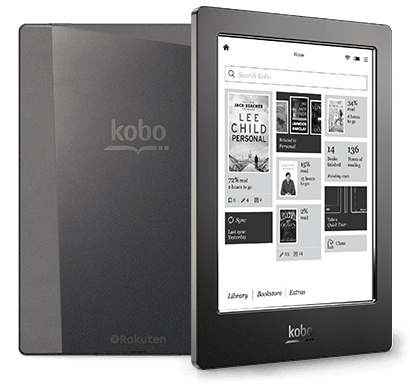
E-reader: Kobo Aura H2O
The latest product from the Canadian manufacturer boasts an impressive 265 pixels per inch, which beats rival product the Kindle Paperweight, providing a much clearer, larger paper-like screen. It is, however, a little heavier than the Kindle. Perhaps its most useful feature is that it’s waterproof.
hero_device
Fitness: Fitbit Charge
One of the latest of Fitbit’s new products, the Fitbit Charge, which will be out in December, is a significant step up from its best-selling Flex model. Like the Flex, Charge takes the form of a wristband that monitors all-day activity, tracking steps, distance, calories burned, steps climbed and minutes the wearer has been active each day. Similarly, it also monitors the length and quality of sleep. It might lack the GPS functions of other products in Fitbit’s new range, but it’s still a great gadget for anyone looking to keep trim over the New Year.
Fitbit-Charge-colours_thumb
Connected Home: Hive Smart Thermostat
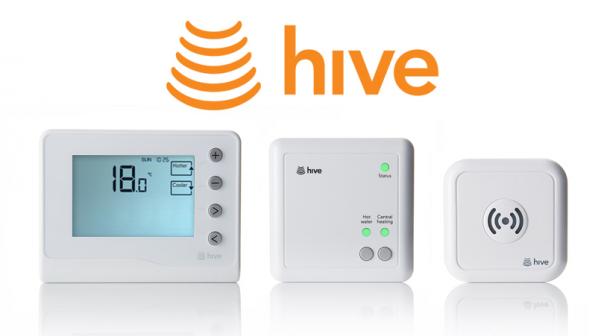
Hive is a simple-to-use device that enables cost-conscious consumers to have full control over their heating. By being able to remotely control heating from anywhere with an internet connection or 3G, people can save up to £150 a year on their heating bills by only having the heating on when it’s needed, rather than on a fixed schedule. The price even includes the setting-up of the device, so factoring in potential savings, there’s few reasons not to invest in one this Christmas.
hive_v2 (1)
Family: Samsung WW9000 10kg Ecobubble washing machine
The Samsung WW9000 Ecobubble is a top-of-the-range washing machine – and you get an awful lot of washing machine for the money. Growing families with a lot of washing will benefit from a number of time- and money-saving features. Its touch-screen takes the place of the complicated array of buttons you find on some washing machines and its customisable settings can be set as favourites, meaning you can start a wash within seconds of loading the drum.
samsung_200px
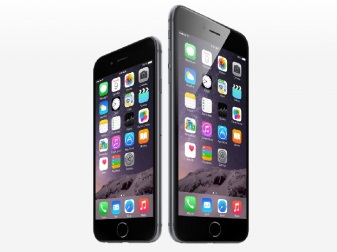
Smartphone: Apple iPhone 6 Plus
The sleek new design with a crisp display far exceeds what the competition can offer. IPS Retina HD technology is the cutting edge of phone design.The quality of the display is as good as a MacBook Pro.The display is also less saturated than other similar phones, producing deeper, darker colours and sharper text. The battery life is also excellent, especially given its size, and can easily be used for a full day without the need to recharge. It’s the best iPhone to date.

iPhone-6-release_337


Read more at: http://www.ertonline.co.uk/Analysis/Christmas-Gadgets.htm

Tagged , , , ,

How the Christmas ads fared on social

social media xmas ads banner

For this year’s Christmas ads we’ve had the lot. Almost every major retailer has now released their ads, laying out their stall for what they can offer consumers this Christmas.

These have been closely followed by an onslaught of social media reviews, some good, some not so good.

Firstly, let’s take a look at Sainsbury’s which has become possibly the most debated Christmas advert of all time. Some love it, some loath it.

Twitter is ablaze with #sainsburyschristmas conversation. Some love it for its cinematography and poignant message for the 100th anniversary of First World War, appreciating that the retailer is donating to the Royal British Legion.

While others are angry with Sainsbury’s depiction of the war, feeling that they are glamorising it and using the conflict to advertise their products.

Perhaps unsurprisingly, the advert has already had a lot of complaints to the Advertising Standards Agency (more than 700 at the moment), most mentioning the distasteful portrayal of the First World War.

Yet love it or hate it, you’re not likely to forget Sainsbury’s contribution any time soon.

We move on to Iceland, which is possibly the worst Christmas advert I’ve ever seen. It is almost indistinguishable from its normal advert except it mentions some Christmassy food.

As far as social media goes, Iceland’s twitter post for the advert was retweeted an unremarkable three times (the account has more than 16k followers). Likewise, the advert’s uninspiring hashtag #icelandchristmasad has only been used by Iceland themselves. It also only has just over 400 likes on Facebook, compared to the Sainsbury’s advert’s 126,000 likes. Yes, the advert is that forgettable.

On the other end of the spectrum Boots‘ Christmas advert does emotional advertising right. Rather than relying on an animated penguin for emotional support, the advert concentrates on the importance of family, something we should all focus on at this time of year.

Social media users love it too, with many feeling moved and especially enjoying the connection to the NHS:

https://twitter.com/thisotheralex/status/531922898492325888

Boots’ simple #specialbecause hashtag is perfect for sentimentality during the Christmas period. It’s not an especially flashy advert, and is therefore somewhat underrated, but it has resonated with a lot of people, and that’s what makes it so great.

Then there is Tesco’s ad. Although it is well-produced with the right message, this year’s offering leaves me a little disappointed. The advert’s light show is fantastic, undoubtedly the best light show since the Olympics. But, in comparison to John Lewis and Sainsbury’s, this is a little mundane.

The Twittersphere seems equally unimpressed, with many finding the ad uninspiring and even unnecessarily expensive:

https://twitter.com/lunabranding/status/531937253678125057

Although Tesco’s Facebook is very popular, and the ad has tens of thousands of likes, even the comments section of the ad post is filled more with customer complaints than it is of genuine praise.

Even more unfortunately for Tesco, its hashtag #makechristmas was also used by Irish retail chain Dunne Stores. As a result, Twitter has an odd mix of both brands.

Now to Aldi, and though I quite like the concept of this advert, I think it’s poorly executed. Showing how Christmas is celebrated in different walks of life could make a great ad, but Aldi’s offering simply pans the camera over a number of different groups eating and drinking. The script is also dire, with lines sounding extremely scripted. Moreover, Jools Holland’s random cameo appearance at the end is extremely odd; why not use him more during the ad? Yet he seems to be the major attraction for many on Twitter and Facebook:

Although an unsophisticated offering, many people seem to love it. Perhaps Aldi’s simple, budget orientated ad is the right message for this year. And whatever you say about it, the Aldi advert probably has the truest slogan of any advert this Christmas – ‘everyone’s coming to us this Christmas’.

The Lidl advert achieves exactly what the retailer wanted to achieve. Continuing its #lidlsuprises campaign, the ad does away with the cinematic offerings of its competitors, and instead focuses on the products. I think the blind taste test was a clever idea, really highlighting how Lidl products aren’t as budget quality as people think. This also seems to have reflected well amongst Lidl’s Twitter followers:

https://twitter.com/AThriftyMrsUK/status/531752914746748928

However, it’ll take more than an advert to convince some consumers that Lidl products are on par with their competitors:

While it is a good advert and puts the right message across, I can’t help but think it’s not that Christmassy. Other ads like Sainsbury’s and John Lewis have a distinct Christmassy feel, but Lidl’s is simply a Christmas branded extension of its existing ad. It does the right job, but it doesn’t have appeal of the more cinematic ads at this time of year.

By far the most engaging ad this year has been the Halfords ad – it’s supposed to provoke feelings of nostalgia and it does it really well. The ad could easily be set in any decade from the 1970’s onwards which makes it so appealing to a broad audience. The ad wants you to remember that seminal moment of getting your own bike as a child, and ultimately share this experience with your kids. Those using #nothingbeatsabike on Twitter seems to agree:

https://twitter.com/jenniferosevans/status/531472140676390912

This has to be my favourite Christmas ad; it does everything right. You might prefer the cinematic masterpieces of the likes of Sainsbury’s, but for me the simple nostalgia of a new bike is as Christmassy as it gets.

Last but not least we have the now famous John Lewis Monty the Penguin ad. There is little more to be said about the overexposed ad apart from the inevitable parodies which were released over the past few weeks, of which there are surprisingly many.


Tagged , ,

This Year’s Best Christmas ATL?

halfords atl banner

For this year’s Christmas ads, we’ve had the lot, as more or less every major retailer has now released their ads and laid out their stall for what they can offer consumers this Christmas. We’ve had John Lewis’ CGI/stuffed penguin, M&S’ Christmas fairies, Tesco shining a light on community spirit, surprises from Lidl, Aldi’s hogmanay featuring Jools Holland and now Sainsbury’s topical war-themed incentive to buy and share chocolate.

They’ve been met with differing reactions. The initial response on social media to Sainsbury’s advert was positive, though subsequent analysis in the press has been less warm, with The Guardian criticising the supermarket for co-opting an awful period in history for commercial gain. Whichever way you look at it, it’s a strong, top-quality advert. Meanwhile, the M&S’ ad featured a touching point in the style of a Richard Curtis/Love Actually ‘if only’ Christmas message. While John Lewis’ attempt to repeat the success of its The Bear and the Hare advert has again relied on a lot of sentimentality and presented no products (besides the £95 toy penguin), it still exhibited good brand tie-ups and extensions on social media and in-store. The campaign is still a game-changer that others will certainly emulate. Tesco – amid its well-publicised financial issues – has gone with a comparatively paired down ad, featuring people in the community gathering for a light show. It makes sense for them to focus on community spirit and amplify the affection some may still have for the brand rather than centering around products or special offers (which discount supermarkets might well beat on price).

Among the hype and chatter, there’s one advert I feel has gone unnoticed and, for me, represents the best ATL activity this Christmas. Halfords, in partnership with Mother London, has produced a great advert which, unlike the others, places nostalgia, not sentimentality, at the centre of the ad. With a powerful Cairobi soundtrack, the ad focuses on what Christmas is all about these days, not forgetting its religious significance for Christians. It’s about kids and the rite of passage, those seminal moments Christmas throws up, such as the feeling of getting your first bike – along with the feelings of freedom and independence (not to mention coolness) that it evokes. Most of us will have memories of taking off the training wheels and being able to get away from homework to cycle to the park or the BMX track and experience freedom.

It’ll be interesting to see what such an evocative ad does for Halfords’ sales, especially given that it’s taken less high profile spots on TV compared to other brands. Like a pair of well-pumped up tires, it’d be nice to see this ad go the distance and resonate with consumers, who may agree with me that, by placing nostalgia and excitement at the centre of its ad, Halfords has won Christmas this year.

#NothingBeatsABike


Read more at: http://www.brandingmagazine.com/2014/11/27/this-years-best-christmas-atl/

Tagged ,

The 10 best gadgets for Christmas 2014

top gadgets banner

From fitness trackers to tellies, it’s time to get gadgeting

I’m a huge fan of technology and am always excited to see new products coming to market, especially with so many wearable tech and connected home devices being launched at the moment.

This Christmas there are a number of great gadgets in retail now available to buy for you or the family. It’s always a great opportunity to upgrade on your gadgets and take advantage of the advances in speed, functionality and integration with your busy lifestyle.

So here’s my Top 10:
1.      eReader: Kobo Aura H2O

hero_device
The latest product from the Canadian manufacturer boasts an impressive 265 PPI (pixels per inch) which beats rival product Kindle Paperweight (212 PPI), providing a much clearer, larger paper-like screen, though it’s a little heavier than the Kindle. Perhaps its most useful feature is that it’s waterproof, meaning people who would like to use their eReader by the pool or in the bath can finally relax and enjoy their reading anywhere, anytime.
2.      Fitness tracker: Epson Runsense and Pulsense

Runsens_400.png
A new addition to the wearables market, Runsense and Pulsense offer a complete wearable package for the first time. Runsense is aimed at runners and includes an inbuilt GPS system to track performance and offer accurate real-time data on screen. Runsense is a serious product for fitness enthusiasts, while Pulsense is useful for anyone looking to improve their fitness and track their general health.

The Runsense monitors your individual technique to help improve performance, and has a huge battery life of 30 hours with GPS activated.

Pulsense is an activity monitor, rather than a dedicated running tracker. The Pulsense tracks heart rate and movement to calculate calories burned throughout the day and monitors everyday activity (including sleep patterns) to give users an accurate picture of their fitness to enable improvements where needed. The Pulsense is one of the first activity trackers to include an inbuilt heart rate monitor, adding a vital feature to the wearables market.
3.      Connected home: Hive Smart Thermostat

kit
Hive is a simple-to-use device which enables cost-conscious consumers to have full control over their heating. By being able to remotely control heating from anywhere with an internet connection or 3G, people can save up to £150/year on their heating bills by only having the heating on when it’s needed, rather than on a fixed schedule. The price even includes set-up of the device, so factoring in potential savings, there’s few reasons not to invest in one this Christmas.
4.      Family tech: Samsung WW9000 10kg ecobubble Touchscreen Washing Machine

233380745alt1
The Samsung WW9000 ecobubble is a top of the range washing machine, and you get an awful lot of washing machine for the money. Growing families with a lot of washing will benefit from a number of time- and money-saving features.

Its touchscreen removes the complicated array of buttons you find on some washing machines and its customisable settings can be set as favourites, meaning you can start a wash within seconds of loading the drum. It even detects how heavy the load is and adds the right level of detergent to each wash. It also works with Samsung phones to keep track of how a wash cycle is progressing and can be remotely started and stopped.

Other features include Samsung’s ecobubble technology which dissolves detergent at lower temperatures, removes dirt more effectively and enables quicker washing. It’s also a very quiet device. Its intelligence, convenience and design make it a great gift-to-self for parents of large families.
5.      Smartphone: Apple iPhone 6 Plus

iPhone-6-release_337
It’s hard to leave out Apple’s newest iPhone design in a list of best gadgets this Christmas. The sleek new design with a crisp display far exceeds what the competition can offer. IPS Retina HD technology is the cutting edge of phone design. The quality of the display is as good as a MacBook Pro. The display is also less saturated than other similar phones, producing deeper, darker colours and sharper text.

The battery life is also excellent, especially given its size, and can easily be used for a full day without the need to recharge. Ultimately, it’s the best iPhone to date, and finally gives Apple users a choice when it comes to handset size – something Android users have been boasting about for years.
6.      Tablet/laptop: Acer Aspire Switch 10

AspireSwitch10_SW5-012_sku-zoom-big
The new Aspire Switch 10 is a hybrid between tablet and laptop, with a detachable screen for those who want web browsing and word processing on the go. Battery life is fairly impressive for a hybrid device, as it can last around six hours streaming HD films. The magnetic hinge which connects the tablet and keyboard is high quality. Buyers can choose between a 32GB and 64GB model, however it also has a micro SD card slot and an optional 500GB hard drive in the keyboard, meaning there’s more than enough storage space for films and photos.

It comes with Windows 8.1 and is an affordable proposition for those who prefer tablets, find laptops too cumbersome, but require a laptop’s functionality from time to time.
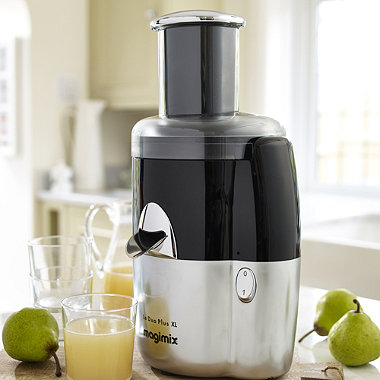
7.      Kitchen accessories: Magimix Le Duo Plus XL Juice Extractor

17877_1
The Magimix juicer is a versatile addition to a kitchen, functioning as a juice extractor, coulis maker, citrus press, and smoothie maker. It pours right into the glass making preparation easier.

Unlike some juicers it can effectively juice soft fruits like bananas and turn cooked vegetables into a jus or puree. It can take large pieces of fruit through an extra-large feedtube, minimising the time it takes to juice larger fruits such as grapefruit.

The 400 watt motor is covered by a 20-year guarantee and all removable parts are dishwasher safe and protected by a three-year guarantee. Cleaning is made easier by a shaped spatula for easy pulp removal. It also comes with a recipe book to get you started on vegetable purees and healthy smoothie ideas.
8.      TV tech: Chromecast

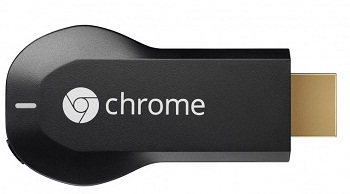
Chrom_350.png
Chromecast is an incredible device which lets you wirelessly ‘cast’ (stream) content from your laptop or mobile onto your TV screen via HDMI. It can stream video via apps, including Netflix and YouTube, but can also stream an open Chrome browser from your laptop or phone, meaning any content on the internet can be enjoyed on your TV screen without the need for an unsightly cable.

Essentially it turns any TV into a Smart TV, and for such a low price, that’s a bargain.
9.      Audio: Pure Jongo T4 Wireless Speaker

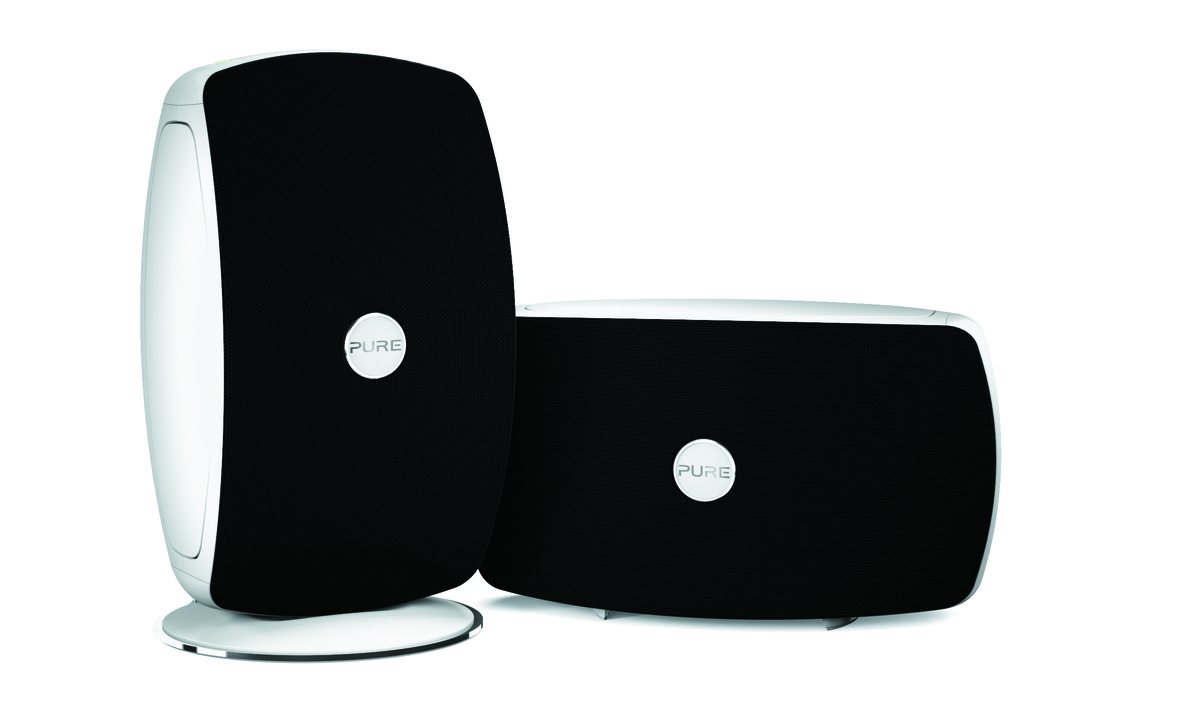
Jongo T4
Brilliant quality speaker, but real quality is in the wireless features – can stream music from many devices over Bluetooth or Wi-Fi and play music anywhere in the house.

Combine multiple speakers together to use as a hifi system, or keep speakers in different rooms of the house to stream music from a single device to each speaker.

Can use any streaming service with the speakers – Spotify works perfectly, and can even use iPlayer to watch shows on your phone whilst playing sound through the Jongo. Can even control volume from phone just using the normal volume control buttons.

Seamless streaming make the Jongo T4 a step in the right direction for wireless speakers and music streaming in the home.
10.  TV: Samsung 65” Series 7 HU7200 Smart UHD LED TV

au_UA65HU7200WXXY_001_Front_black
This 65” Samsung TV is arguably the most innovative in the market in terms of the features it offers. It might be the most expensive item on the list, but Samsung has developed it to be future proof, as it can update to be compatible with future upgrades to UHD quality.

The Smart UHD TV is wide-angled and curved to enable optimum viewing with a wider picture and clearer images. It also up-scales non-UHD sourced video content to near UHD-level quality, even converting DVDs to an almost ultra high definition level.

Other features include the ability to switch between screens with ease, for example to pause a film and browse the web to find out more information on an actor before switching back. It also has voice-activated browsing which means users can quickly find out whether it’s going to rain by asking their TV.

As a Samsung it also boasts Samsung connectivity to stream content from a Samsung tablet or smartphone.

It’s arguably the most immersive TV on the market – if you love movie watching and want a real quality experience, then this is the perfect choice.


Read more at: http://www.londonlovesbusiness.com/lifestyle/christmas-in-london/the-10-best-gadgets-for-christmas-2014/9269.article

Tagged , , , ,

As has Tesco, Amazon has increasingly diversified away from its core, but at what cost?

amazon fire banner

Amazon’s latest quarterly results have raised more than a few eyebrows in the business world. Despite its position as a sell-anything-to-anyone internet retailing organisation, it posted significantly larger losses [$544 million] than expected, and warned that Q4 2014 looks set to further disappoint.

Yet investors will be well aware that it doesn’t take much for a loss-making online company with such a global reach to generate significant profit. Just look at Facebook, which went from a loss of $138m in 2007 to over $1bn in the black five years later.

However, Amazon has been growing rapidly since it was founded in 1995 and investors might well be tiring of its struggle to turn vast revenue into consistent profits for shareholders. Amazon continues to expand and grow, but fails to yield profit despite being a global brand with huge recall.

Amazon’s continued focus on developing new products and services, often unrelated to its core function as an online retailer, perhaps risks alienating consumers.

As Tesco has recently shown, even huge retailers can see their revenue drop significantly – in Tesco’s case predominantly to discount supermarkets.

Tesco’s focus on huge outlets offering not just traditional groceries but also a wide variety of products and services – such as mortgages and mobiles – coupled with bad PR has seen it alienate its core consumer base. Equally, its efforts to pull in digitally savvy consumers with its budget tablet Hudl and video-on-demand service Blinkbox haven’t caught the public’s imagination as much as Tesco would have hoped.

Tesco is now in the difficult position of having to sell off these peripheral offerings, partially floating Tesco Bank and potentially closing or selling the loss-making video-on-demand service Blinkbox, and getting back to its core retail offering.

For Amazon, however, profits have been hit by the online retailer’s heavy spending on acquisitions, enabling it to move into new product categories, such as its Amazon Fresh grocery delivery service in the US. Yet, at what cost is this to the future of the business?

As Tesco has sorely demonstrated, there’s a fine line between expanding into new areas that consumers want, and over-expansion, which leaves consumers behind and looking elsewhere.

Amazon needs to focus on what consumers want and needs to place this at the heart of any new offering. As former Tesco chief executive Sir Terry Leahy said, the retailer had “focused too much on what it isn’t, rather than remembering what it is”.

As at Tesco, Amazon has increasingly diversified away from its core – the online retail environment – one that many consumers feel loyalty towards and consistently buy from to fit in with their busy lifestyles.

Take the Amazon Fire phone, which has proved to be unsuccessful so far for Amazon. The company wrote off $170m worth of inventory following a lack of sales, which is a staggering 40 per cent of the recent net loss it posted. The smartphone market is highly competitive and despite a great product it seems Amazon gambled on consumer loyalty, which hasn’t translated into sales for the Fire. After all, just because I like Amazon for buying gifts, doesn’t mean I want the Fire phone. It also doesn’t mean I want them to deliver my groceries once a week.

For example, many will sign up to Amazon Prime for the free next-day delivery, which saves money for anyone who regularly purchases on the site and wants their items quickly. Prime subscribers also get access to one title per month from a digital library of Kindle titles and access to Prime Instant Video (usually £5.99 a month). Amazon even announced recently that Prime subscribers can benefit from unlimited photo storage, previously only available to owners of Fire devices. It’s a great range of services for a relatively low fee, but perhaps consumers are still left wondering whether Amazon is a delivery company, a media company or an online grocer.

Tesco made the mistake of attempting to be everything to everyone and we’ve seen the results. Amazon needs to be disciplined about who it is trying to reach, when it wants to reach them and how its offering can help enhance their lifestyle. There are other established brands and retailers who specialise, not dabble. Consumers have a choice and we must never underestimate the importance in providing a seamless customer journey only traditional specialist brands and retail can deliver.


Read more at: http://www.ertonline.co.uk/Default.aspx.LocID-05nnew3m8.RefLocID-05n03s004.Lang-EN.htm

Tagged , , ,

Celebrity Endorsements Have the Potential to Transform a Brand

gandy banner

Historically, sporting personalities have proved the most successful, though there are exceptions. The most memorable and longstanding endorsements involve a great match between the values of a brand, the quality and type of product, and the right celebrity face to champion it. For example, Michael Jordan and Nike created possibly the founding father of the “mega” celebrity endorsement when they teamed up in 1984 and Gary Lineker’s long-term association with PepsiCo and their Walker’s crisps brand in the UK works so well because both the brand and celebrity are down-to-earth and originate in Leicester. Outside of sport, George Clooney and Nespresso are such a good fit because both have an air of sophistication and suavity which neatly complements the other.

Meanwhile, badly thought out endorsements have the potential to negatively impact a brand. However, there’s a new breed of celebrity endorsement that goes beyond these examples of the traditional transient coming together of a celebrity and brand. It has the power to completely transform the performance of a brand, without sacrificing any of the equity or integrity of the celebrity. By evolving beyond paying a celebrity for their involvement alone and instead giving them a voice and, more importantly, a stake in the product, stronger ties are formed between brands and celebrities. Simply put, celebrities will be more willing to get involved with a brand partnership if it helps raise their profile and ultimately their bank balance. It’s not a new phenomenon – one of the best examples of this kind is the George Foreman Grill, which has sold over 100 million units for Salton since 1994, with Foreman taking 45 per cent of the profit.

celebrity endorsements image 1
Recently, in addition to his already successful partnership with H&M, David Beckham teamed up with drinks brand Diageo to launch Haig whisky, aimed at people who don’t think they like whisky. This is a shrewd bit of branding, an icon to many who imitate his style, many consumers might not think of David Beckham as someone who likes whisky but think again, the stylish Millennials as portrayed in the high profile Guy Ritchie directed ATL may make you change your mind – or at least try it.

This clearly goes further than being a celebrity endorsement and Beckham is no mere brand ambassador. Instead, it’s a business partnership, with Beckham surely being one of the reasons the whisky is being packaged in its uniquely square blue bottle, rather than the more traditional tall clear bottles, immediately placing itself apart from the fusty whisky crowd. And, while the terms of the partnership weren’t disclosed, one imagines that Beckham has a financial interest in the success of the brand, which gives him a reason to be more deeply involved in its success or failure. It’s likely Diageo hopes to replicate the previous success of its brand Ciroc’s partnership with Sean ‘Diddy’ Combs in 2007. Comb’s partnership with Diageo saw sales jump 40 fold, and led to a subsequent 50/50 partnership between the two for DeLeon Tequila, which sells for between $120-1000 per bottle. As Combs said at the time of the DeLeon deal, “With Ciroc we dated. Now with DeLeon, we’re married. This deal is way better.”

Interestingly, this new model of brand partners and ambassadors has even spread beyond brands such as Rimmel with Rita Ora, but also to the high street; look at the aforementioned H&M collaborations, Dorothy Perkins with Kim Kardashian, and Top Shop with Kate Moss. So when David Gandy and M&S announced their partnership, many industry jaws dropped. To most, M&S pants conjures images of Middle England, and perhaps middle-aged men who aren’t that interested in fashion but want reliable, quality underwear to wear. But by going into partnership with David Gandy, M&S has made a huge statement. It’s potentially transformative for its menswear section and, more specifically, consumer perception of the M&S brand globally.

David Gandy isn’t just the model face on the posters and adorning buses, he also had an active role in the design of the new range. By being involved in the product development, he will undoubtedly gain from their sales, clearly a strong collaboration. Some of the UK media commented that it risks alienating some of M&S’s core market, but to me it’s obvious that by forming such a daring partnership with arguably the world’s most recognisable male model, M&S are targeting a new demographic by taking the brand into Calvin Klein territory, opening the door to a much younger male audience and perhaps those men who still have their underwear bought by their significant other. Gandy and M&S may well have just pulled off the most surprising and profitable celebrity endorsement of the year, the benefits of which will no doubt extend across many categories and territories.


Read more at: http://www.brandingmagazine.com/2014/11/11/celebrity-endorsements-have-the-potential-to-transform-a-brand/

Tagged , , , , ,

Nostalgic Christmas ads might be a thing of the past

bear and hare banner

Another year brings another fanfare as mid-Autumn ads from the big brands are rolled out to entice consumers to spend big both in-store and online this Christmas.

Last year we had Debenhams highlighting its elegant clothing, M&S taking us down the rabbit hole, and of course – who can forget – John Lewis’ Bear and the Hare. Christmas ads inevitably form part of the national psyche in the run-up to the festive period, so it’s crucial that brands get it right. It’s a huge opportunity to connect with and reach consumers at a time when their attention turns to budgeting for Christmas.

The best Christmas ads can warm consumers to a brand by harnessing the emotional attachment many people have with the period. However, get it wrong and you risk being remembered for all the wrong reasons long after the decorations have come down. So what do I think we can expect this year?

Whilst it’s difficult to predict with certainty how brands will approach their ads each Christmas, it’s been noticeable that in the last couple of years there’s been brands that have played safe and brands that have pushed the boat out and taken risks.

In 2012, the likes of Sainsbury’s, M&S and Tesco played it safe with product-focused ads. By contrast, Morrisons and Asda ran extraordinarily similar ads which critics felt reinforced gender stereotypes about Mums doing all the work at Christmas. Asda’s alone prompted 620 complaints to the ASA.

Perhaps owing to this backlash, both Morrisons and Asda ran pared down ads in 2013, and it was Sainsbury’s and Tesco’s turn to run similarly themed campaigns. Both focused on family at Christmas time, and both were decidedly saccharine.

However in 2014, we’re facing a significantly more challenged retail market than even a year ago, and brands have to reflect this in their advertising campaigns.

According to the British Retail Consortium (BRC), sales were down 0.8% in September 2014 compared with 2013 on a total basis. The BRC also recently announced that September showed an annual drop of 0.2% on the amount people spent on food.

Consumer confidence is high – Barclaycard said total spending on UK debit/credit cards rose 4.8% in September – it’s just that consumers will no longer tolerate feeling ripped off. They want the best deals and though a glitzy ad might entertain, it won’t necessarily be enough to get people in-store if the value or shopping experience isn’t worthwhile.

I therefore expect to see a little less glamour, perhaps fewer celebrities and a little more humility. John Lewis has already set this scene by apologising for the hype surrounding last year’s advert.

If the ads match the current retail climate, this could be the year for managing or resetting consumer expectations. With Tesco in freefall, grocery in general fighting a case for value against the disruptors of Aldi and Lidl, and more shoppers comparing prices online whilst in-store, it’s likely many Christmas ads will target cost-conscious shoppers.

It’s a tricky one for grocers like Sainsbury’s and Tesco to negotiate, as by continuing to slash prices to compete with the budget supermarkets, to many it may seem like they’ve knowingly overcharged for years. Something which is in direct contrast to John Lewis’ “Never knowingly undersold” tagline.

It seems likely that many brands will put the sentimental and nostalgic journeys they’ve taken us on over the past couple of Christmases to one side. Instead there will be a renewed focus placed on showing consumers they really do understand their needs when negotiating Christmas on a budget and have real value to offer all this festive period.

Tagged , , , ,

How to design and conduct an effective assessment day

assesment banner

Assessment centres allow you to interview several candidates in one day and see considerably more behaviours and characteristics than you would in conducting a one hour interview.

The assessment centre process must be a positive experience for the candidates involved as they will be assessing you as a company too.

First impressions count on both sides, therefore lack of planning and organisation from your end will be clearly visible if the assessment day is not a sleek and smooth running process.

To be successful an assessment day must be an interactive, positive and fun process for all involved.  It is crucial to follow these key steps both in advance of the day and at the event itself to ensure an effective assessment day;

  • Prepare  candidates – It is up to the attending candidates to demonstrate their abilities to you at the assessment day. However, it is your responsibility to ensure they are as fully prepared as possible.  Candidates should be fully briefed in advance of attending and be issued with a full information pack detailing not only the basics (location/dress code etc.), but also outlining the full format of the day so they know what to expect.  If your candidates are prepared for the day they are more likely to focus on their performance and demonstrate their skills rather than be anxious about what may come next.
  • Select and prepare assessors – When inviting assessors select those you believe will add value to the day.  It is imperative that each assessor is fully briefed and understands the extent of their involvement.  There should be sufficient assessors for the group size; an individual will also be required to administer the day, and another to run the assessment day. The style in which the assessor delivers the day will create the atmosphere – formal or informal, relaxed or intense, their behaviours will be reflected on the candidate. All assessors have the responsibility for ensuring candidates are comfortable so make sure the chosen individuals are welcoming and approachable.
  • Identify desired traits – Before selecting the exercises for your assessment day you need to have a full understanding of what traits your team of assessors want to see candidates demonstrate and those which will be important in selecting the most suitable candidates for the role. Without sight of these your chosen exercises may not deliver the desired results.
  • Variety of exercises – Once you have identified the traits you are looking for in your new recruit you are now able to design or select relevant exercises to enable individuals to demonstrate these.  Exercises should involve a selection of individual, paired, group activities and case studies or presentations if relevant. Think about the atmosphere you want to create at your assessment day and ensure the exercises reflect this. The likelihood is that most of your exercises enable candidates to think on their feet, however including an activity that involves preparation in advance of the day such as a presentation will allow you to see what they can do with more time to prepare.
  • Break time – It is crucial to ensure time is set for frequent breaks. For both candidates and assessors, assessment days can often be long and intense days, therefore sufficient breaks for stretching legs, plenty of water, healthy snacks and fresh air will allow the brain to work more effectively.  Breaks are an ideal opportunity to see candidates in a more natural setting, allowing time for the group to build relationships and enable assessors to spend time with candidates in a non-professional setting. Make the most of spending this time with your group; observing behaviours at these points during the day are as equally important as assessing formal exercises and performance.
  • Wrap up and review – Allow some allocated time at the end of the day to review and gather feedback from all of the assessors whilst it is fresh in their minds.  Chances are they will have seen lots of candidates and reviewed many exercises and presentations that it will be difficult to remember exact thoughts and feedback after a night’s sleep.  Share feedback between all assessors on the day and collectively come to a decision to identify a suitable candidate.

Remember as with one to one interviews an assessment centre is still a two way process, the success of an assessment day lies with not just the candidates but the organisers and assessors. It’s not all in the planning but the execution too.


Read more at: http://www.hrzone.com/feature/recruitment/how-design-and-conduct-effective-assessment-day/144406

Tagged , ,

Why the so-called ‘death of the high street’ is a huge opportunity

supermarket blur banner

It seems a common occurrence that a large retailer goes into administration, leaving yet more ‘To Let’ signs. Town centres saw 406 net shop closures compared to 209 in the same period last year. It’s a gloomy statistic and paints a troubling picture for UK retailers.

It’s matched by worrying signs in the supermarket sector: last month showed the slowest sales growth in 10 years, Tesco is mothballing superstores, while Sainsbury’s is subletting by converting parts of their stores into Jessops shops.

Yet there’s no reason for grocery retailers to panic – quite the opposite. While growth is down to 0.3 per cent, the sector is still growing.

Overall, consumer appetite is on a roll, with the retail sector in general showing 17 months of consecutive growth. What we’re witnessing is a shift in how consumers are buying their goods. Much is made of consumers moving online, but as ONS reminds us, 9 out of 10 retail purchases are still made in-store. Consumers are simply becoming savvier about where to find the best deals or the highest quality products. This is a huge opportunity for those grocers who respond shrewdly to the new market conditions.

Consumer loyalty to one supermarket has been overthrown by the disruptive influence of budget supermarket chains like Aldi and Lidl. The loyal Tesco shopper of a decade ago is now popping into Tesco for their main shop, but then heading to a Lidl or an Aldi to pick up some extras at a lower price.

They might even head to Waitrose or M&S later in the week to pick up a couple of premium items for the weekend. The ‘one stop shop’ of old has been replaced by the new consumer shopping trend of top-up shopping, explaining why Tesco is mothballing Extra stores.

There is now a backlash as consumers no longer find this approach to shopping a good experience or one of value; and increasingly are seeking out specialist retailers for not only the increased choice on offer but also better prices.

More importantly, consumers are also now expecting expert advice when buying non-food products in particular. Perhaps a strategy online retailers such as Amazon will need to start incorporating.

It’s a fragmented consumer journey, but it also provides grocery retailers with the chance to win the loyalty of these new shoppers entering their stores.

First and foremost, building this loyalty has to start on the shop floor. Supermarkets which can’t compete on price need to create appealing and engaging environments while offering their customers the level of care and quality they expect.

Yet research we conducted at Gekko, shows during the last couple of years of expansion – the big grocers haven’t been investing in the areas they should have been. Instead, consumers have been met with decreasing numbers of staff in-store, leaving their experience and relationship with the store to be undervalued as a consequence.

Before its accountancy mishap, new Tesco CEO Dave Lewis recognised the need to shift the focus away from cost-saving towards offering a better service, by increasing the number of staff on the shop floor.

Interestingly, Waitrose, with a proven track record of excellent customer service, is the only non-budget supermarket brand to have increased its market share last month. Clearly investing in the in-store environment is long overdue for some of the big supermarket chains.

Those who ensure that consumers who enter their stores are met with an all-round shopping experience can start to rebuild bridges with consumers. When literally ‘every little helps’ it’s time to stop paying lip service to customer’s journey in-store and put shoppers first.


Read more at: http://www.talkingretail.com/opinion/talkingpoints/called-death-high-street-huge-opportunity/

Tagged , , , , ,

Labour and the Tories must make a case for business, and soon

leaders banner

So conference season has been and gone and what have we learnt? Given that we’re mere months away from an election, it’s been a pretty unremarkable few weeks. The Conservatives lead Labour by just one point according to the latest opinion polls, attributed to Cameron promising tax cuts to 30 million people. Yet have the two party leaders done enough to make the nation feel like there’s a clear vote winner come 2015? Hardly.

First we had Ed Miliband with the forgotten speech, where perhaps owing to the difficulties of committing an hour long speech to memory, he missed a section which discussed the deficit. Unfortunately some undecided voters might find it difficult to trust a man who puts style over substance when he’s trying to persuade us he can run the country. Labour’s big problem going into this election is the two Eds. If they can put forward a cogent case for how business would flourish under a Labour government, they might win over some of the doubters. There’s still plenty of time until the election, but they really need to make their case. And fast.

Then came Cameron at the Conservative conference with his Richard Curtis inspired speech, almost drowning in a sea of Union Jacks rousing up the party faithful. From a marketing perspective it was impressive stuff, he seemed almost Presidential, as if this was a US primary and not just a conference in Birmingham.

We’ve seen proposals to raise tax thresholds for the bottom and the top earners and mansion taxes that are realistically never going to happen in the next parliament even if the bill gets through, given the bureaucracy involved.

From a business perspective, to those helping prop up the economy and drive the UK’s standing in the world as a centre of commerce and innovation, both speeches failed to completely reassure. Miliband was slammed by some business leaders for barely touching on business issues, while attacking energy companies, banks, tobacco companies and the wealthy.

For Cameron’s part, the promise of implementing the lowest rate of corporation tax of any major economy is a welcome move, but many are left wondering – what’s the catch?  There’s a feeling that both could have done more to appease more of the concerns of businesses in the UK. Let’s not forget that we have a growing deficit, interest rates are likely to rise, an NHS on its knees and another possible £25bn in cuts. We’re not out of the woods yet.

Of course, away from the two main parties, Nigel and Nick wait in the wings taking pot shots at both leaders. It’s their right to, as minority parties that will never win a majority in Parliament or be responsible for seriously radical bills. Yet neither of them have added much to a serious discussion on future business policy. That said, the Lib Dems have achieved something like 75% of their manifesto pledges, which isn’t bad going.

As someone who runs my own business, it’s a little unnerving that the two Ns hold the balance of power in the event of a lack of majority at the next election. Whilst it can potentially be in the best interests of the population and business in general to have a minority party moderating the policy implementation of a Conservative or Labour government, it’s hardly the pinnacle of democracy.

Whatever happens in the build-up to the election, there is still plenty to play for. None of the major parties have set down a clear roadmap for a post-election business landscape with them in charge. The messages from political parties to individuals remain on the weak side. That will no doubt change as the election draws nearer, but there’s still a vacuum of information for how I – as a law-abiding, tax-compliant UK employer – should determine which party is going to be good for me and my business.


Read more at: http://www.londonlovesbusiness.com/business-news/politics/dan-todaro-labour-and-the-tories-must-make-a-case-for-business-and-soon/9004.article

Tagged , , ,