Author Archives: Gekko Marketing

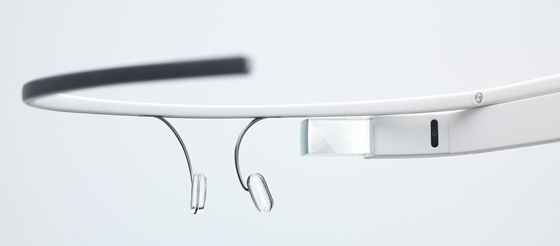
The end of Google Glass?

google glass banner 2

The end of Google Glass, in its current incarnation – yes. As a future viable, perhaps watered down, consumer based product – I doubt it.

It was ugly, you looked silly in them, and the health and social responsibility factors were questionable. Google Glass’s move back into a research project rather than a viable consumer product is indicative of the social stigma associated with this wearable technology.

It gained many column inches, which made it worthy of its impressive abilities. It also ignited the imaginations of programmers, who developed applications that enabled you to look up and see the solar system above your head, read signs in foreign languages and translate these signs in front of your eyes into your chosen language.

Even the beleaguered Tesco announced this week a Glass app for your online grocery shop. But with very few users purchasing and wearing, today’s was an unsurprising announcement from Google in response to poor consumer demand.

As seen at this year’s CES, wearable’s and VR have developed rather differently than expected giving Google, I suspect, an opportunity to exit with its head held high. It will review, redevelop, configure and improve what was a very clever innovation, but which unfortunately had significant flaws.

Google glass is not dead. It will I’m sure evolve and become something new, creating the same hype and publicity as Glass achieved, but come to market in a more viable form and function and perhaps a new name.

Tagged , ,

Three massive trends that came out the world’s biggest tech fair

misfit shine banner
Daniel Todaro, MD of technology field marketing agency Gekko, reviews his highlights of CES2015

You may have noticed that last week the world’s largest consumer electronics show was in full swing in Vegas: CES 2015.

While most mainstream technologies were announced, many other new technologies were flirted with in and around these announcements – technologies that will undoubtedly come to market within the decade that could change the way we live, commute and wear our technology.

The three big stories were the Internet of Things (IoT), which includes the connected home. Also announced were advances around in-car tech, with innovation nearer than you think, and also the advancement of wearables as fashion statements.

Big commitment to Internet of Things

A large proportion of Samsung’s keynote address at CES was devoted to the Internet of Things. Samsung pledged that by 2020 all of their devices would be IoT compatible, a huge step in the right direction for tech integration. Expect other brands to make this same pledge.

As we move forward, the smart home category will continue to grow, with domestic appliances, TVs and mobile devices playing a big part in connecting devices together. Brands will need to connect their devices to one another to stay relevant enabling us to connect our entire home from one human interface.

Take a look at Hive, the UK’s connected thermostat, controlling your heating and water remotely. It’s available now and an early innovator in this category.

With all this tech, you need power. Enter centre stage the Energous WattUp, winner of the Best Connected Home Product at CES, a wireless power solution that can charge wirelessly our wearables, phones and any other battery powered device in your home. Energous believe it will have the first wave of this product available by the end of the year.

Samsung’s pledge was also important because it promised ‘open’ connectivity. By opening up its devices to other brands, Samsung is leading the way in a true Internet of Things, where all devices communicate with each other, not just those of the same brands.

If other brands take up this pledge, the Internet of Things will make much more of an impact on our everyday lives by potentially connecting all devices together.

In-car tech

Automotive tech once again made headlines at CES, especially with the Audi self-driving car’s two-day, 550 mile journey from San Francisco to Las Vegas turning heads early in the week.

Self-driving innovations took centre stage for many motor brands, with self-parking cars from Hyundai and Volkswagen demonstrating how far self-driving tech has developed in the past year. Mercedes, winner in the Best Automotive Technology category at CES, showed off the F015 Luxury in Motion concept, which the company believe is possible by 2030 – in Mercedes’ words, “our vision is the car as a salon, a lounge you drift from destination to destination in like an extension of your home.”

Undoubtedly parts of this innovation will become reality soon.

The motor category is also another battleground for Apple and Google, here with their respective CarPlay and Android Auto platforms.

Both allow car users to mirror their mobile Operating Systems in their cars, giving access to GPS maps, hands-free calls, music and other apps through the car’s existing screen. Integration opens up many avenues, for example activating car features using Siri.

Whilst some believe these innovations are a further distraction to drivers diminishing passenger/pedestrian safety, cars, like our homes are inevitably becoming smarter.

Fashionable wearables

At this year’s CES we began to see the second generation of many wearable devices, including updated reveals from Sony, LG, Garmin and Fitbit. With the looming release of the unmistakably fashionable Apple Watch, many wearable makers are following suit by developing their own fashion conscious watches and trackers.

Take a look at the Tori Birch range for Fitbit which turns your wearable fitness technology into high end fashion jewellery.

Wearable maker Misfit has teamed up with Swarovski to produce the Shine, a customisable series of fitness trackers disguised at jewellery. Hidden beneath Swarovski crystals, the Shine tracks activity such as steps, swimming strokes and sleep via an accompanying app, and is also the first solar-charging wearable, reflecting sunlight through the crystals.

The Martian-developed Guess Connect looks like a normal Guess watch, but has the addition of small screen which displays caller ID and other alerts, has Bluetooth connectivity, and can interact with Siri or Google Voice commands via an inbuilt microphone in the watch.

Other offerings from watchmakers intending to join the wearable revolution are Tag Heuer and Fossil.

As predicted, these innovations suggest just how wearables will begin to blend into existing fashion becoming easily mistakable for a normal watch or piece of jewellery. These new wearables will suit any situation, not just the gym.

Smart devices that are both useful for productivity and office-appropriate will only increase the popularity of wearables for health, communication and productivity use.

Interestingly, take a look at CES winner in the Best Offbeat Product category, Belty. Like Nike with its power laces, Belty is a motorised belt buckle – yes, you read that correctly. It slackens and tightens to make you more comfortable, if for example you’ve eaten too much. More seriously, it has tracking capabilities to aid diet and body shape. CES believes it’s a fun, quirky and potentially viral product.

Consumers will ultimately decide the limit to wearable tech and how it intrudes on our lives.


Read more at: http://www.londonlovesbusiness.com/business-news/tech/three-massive-trends-that-came-out-the-worlds-biggest-tech-fair/9567.article

Tagged , , ,

The shape of things to come

ces banner

With the great and the good of the CE world having converged on CES at Las Vegas, what was announced that would or could enhance our lives?

Perhaps the biggest indicator of how we will be encouraged to live sooner rather than later was Samsung, which pledged that all its devices will be Internet of Things-compliant in five years’ time – in other words, products in many rooms of your home that will be controlled from one human interface.

With the UK officially building the smallest new-build homes in Europe, a gargantuan TV may not be on most wish lists, but there were plenty on show. Take LG’s OLED range, with sizes between 55in and 77in with both flat and curved designs. Also revealed was its 77in flexible curved flagship model, which can automatically adjust the curve of the screen to suit any viewing angle, perhaps creating space to let you stand in the room. Seriously though, brands like Samsung, LG and Sharp have created amazing TVs with depth, speed and smart functionality that enable us as consumers to enjoy TV the way we want to – not how broadcasters would like.

Samsung also revealed a number of SUHD TVs, representing its range of Quantum Dot LED TVs. QD technology delivers “the highest colour purity and light efficiency available today”. Benefits include near 100 per cent compliance with DCI (Digital Cinema Initiatives) colour range requirements, with very good quality images, similar to OLED. All the TVs shown come with 4K as standard, 48in being the smallest size.

2014 was only the start for the wearables market. Brands tested the water last year to gain valuable insight into what consumers want, how it should look and how we use it and have now created some amazing second-gen products, such as Garmin’s Fenix 3, Fitbit Surge and Sony Smartwatch 3 Steel.

The connected home in 2015 is going to be big. Nest and Hive have developed propositions that make the concept of the connected home more real to many homeowners. We are on an upward trajectory that will see the CE landscape change in retail, at home and in functionality.

Nest made waves at CES when it revealed its partnership with 15 brands under the ‘works with Nest’ moniker. Further integration of smart-home systems and Apple’s HomeKit integrated connected-home devices were revealed, such as the iDevices smart plug system that can control multiple devices, via Siri, by plugging existing appliances into the mains. There are definitely signs of competition heating up between Apple and Google for smart-home dominance.

Wearables are no longer for the early adopters or niche retailers, it’s a category that will continue to grow and by default we will all be wearing a piece a tech that moulds seamlessly into our lives.

At CES 2014, the Oculus Rift made its debut and stimulated the sector’s interest in VR/wearables. Since then, Samsung, Sony and Google have all made leaps in producing their own VR experiences, which will come to market in 2015. If wearables were last year’s breakout category, will 2015 be remembered at CES as the year Virtual Reality leapt to prominence?

Back to TV and how we stream and consume what we watch when we want and in UHD, which perhaps will be more mainstream on digital platforms. Whether subscription services or free-to-air, the significant change in CE is how we consume our entertainment on a quad-play platform.

Samsung, LG, Sony, Sharp, and Panasonic have announced a partnership with Netflix, Disney, Warner Bros and 20th Century Fox to form the UHD Alliance – a group tasked with setting the standards for UHD content, outlining plans to increase availability of 4K content in coming months, perhaps a good sign of more 4K content to come.

Samsung revealed more details of its improved Tizen smart TV operating system that will power all of its new smart TVs in 2015. The new OS improves on the previous iteration’s features, as well as improving connectivity with devices over wi-fi and Bluetooth. This innovation follows a trend among manufacturers for developing more user-friendly interfaces (UIs), also seen at CES with LG’s WebOS 2.0.

Guy North, managing director of Freeview, agrees: “In general, UIs are evolving and getting simpler and more user-friendly, making it easier for viewers to navigate around the different services, which is a good thing.”

Samsung announced a partnership with Sony to have PlayStation Now games streaming through selected Samsung TVs in early 2015, bringing limited gaming content to homes without PlayStation consoles.
There were scares in 2014 about cloud sharing and the privacy issues surrounding exactly where those personal photos get stored and who has access apart from you and those hackers. Fear no more, because having your own cloud and uploading to your data storage device is now possible and these are peripherals I guarantee we will all own, either as new or to replace an ageing device.

There are lots of products coming to market and some to meet the needs of the style-conscious among you – from LaCie’s 1TB in Gorilla Glass designed by Pauline Deltour, and Seagate, which has released two wi-fi-enabled portable hard drives that act as personal cloud storage devices.

Toshiba announced its simple Canvio Basics drives and sharing-friendly Canvio Connect II model – a 3TB drive that lets you access files from anywhere via the internet, but there’s no wi-fi connection, so you can’t share files independent of a PC. Samsung also announced a new SSD [sold state] portable hard drive, the T1 with very quick data-writing speeds, available in 250GB, 500GB, and 1TB models, but unfortunately this does not include a cloud storage option.

Streaming is mainstream now, but for those who don’t want a subscription, there is Sling TV (not to be confused with Sling Box) that enables you to stream on multiple platforms, including mobile devices with no contract, instead using a pay-per-view model. Currently only available in the States, will a similar service soon enter the UK market?

When it comes to the brains that make our mobile devices work, Nvidia announced its new Tegra X1 ‘super chip’ for mobile devices, powerful and energy-efficient enough to bring PC-grade graphics to handheld devices, challenging Qualcomm’s Snapdragon, where we’re seeing a battle between these and Intel to dominate the smartphone chipset market.

In summary, smart-home innovations sat front and centre at CES 2015. While prominent at CES 2014, in 2015 the category was given a dedicated exhibition space – a good indicator of how far the smart home category has come in the past year.


Read more at: http://www.ertonline.co.uk/Default.aspx.LocID-05nnew3md.RefLocID-05n03s004.Lang-EN.htm

Tagged , ,

At 20 Years Old, PlayStation Continues to Capture the Market

playstation 20th banner

For those of you that can remember, or have grown up alongside it, you might be aware that PlayStation celebrated its 20th anniversary last week, and how it’s flown by. Gaming as a category has evolved decade on decade, and is forecast to continue growing. Yet some brands have died before they even started: remember Gizmondo and its flagship store with no stock on Regent Street?

Gaming, like no other category, must work hand in hand with 3rd parties to survive and innovate. While you could argue that TV needs content and cinemas need film, together the gaming industry innovates by collaborative choices. At the heart of this is the consumer.

Fads come and go as dictated by the users, just look at those Wii Balance Boards cluttering up garages and car boot sales. If it’s not generational, it doesn’t work. Above the age of 12, who wants to play games with Mum and Dad? Yet for how many years have you and your friends played Grand Theft Auto and Call of Duty, and above all honed your skills to better your peers?

Console manufacturers try to push some innovations. Look at Microsoft’s Kinect – while the innovation itself is impressive, the system is largely ignored by developers. With the release of the Xbox One, Microsoft tried to make Kinect an integral part of their console experience, but failed to engage users and developers alike. Motion tracking and voice control are yet more fads – what the gamers want is genuine innovation.

20 years in, creating a category is amazing in technology terms. VCR, Walkman and the like are all categories that have died and were replaced by more sophisticated technology which met consumer demands and changing lifestyles. Developers know this, console manufacturers are painfully aware of this, and when you’re products are reliant on one another, which innovation drives the other?

The Wii worked because it brought something entirely new to the scene and opened up a new generation to console gaming. This whirlwind success will not be replicated until manufacturers develop truly innovative ideas that revolutionise the console market.

VR could be the next revolutionary innovation that will take the console market by storm. It has the potential, but will it capture the imagination of consumers? As we can see from Nintendo’s falling profits in recent years, the gaming market is fickle and even whirlwind success will eventually die down.

Sky have just announced a number of Virtual Reality trials on up to fifteen shows in 2015. Perhaps a vested interest is at play here, but is VR where gaming and entertainment collide? We can already see evidence of games consoles developing into multimedia centres in the PS4 and Xbox One. Will VR be the next step in this development?

I suspect that in 20 years’ time PlayStation as a brand will still be going strong, perhaps as a console linked to a VR device. But at this point, who’ll be creating the content: gaming developers or actors and producers? With Remedy Entertainment’s upcoming title Quantum Break, which promises to blur the lines between television and gaming by allowing gamers to shape a personalised version of a linked television show. Could this represent the future of the entertainment industry?


Read more at: http://www.brandingmagazine.com/2014/12/16/at-20-years-old-playstation-continues-to-capture-the-market/

Tagged ,

Top 10 Gadgets for Christmas

beats banner

Daniel Todaro chooses his Top 10 gadgets for Christmas that can improve consumers’ day-to-day lives

Entertainment: EchoStar HDT-610R
The EchoStar Freeview+ box has an ultra-thin design at a mere 14mm deep, making it one of the most compact and stylish Freeview boxes on the market. Nonetheless, it manages to pack in a 500GB hard drive to store recorded TV. It also boasts two tuners to enable two TV channels to be recorded simultaneously. It has a simple and intuitive interface and menu, with excellent audio/video quality.

echostar_300px

Spring Cleaning: Kärcher SC1.020
multipurpose steam cleaner
The Kärcher SC1.020 is the best-selling steam cleaner on the market at present, which is significant given the popularity of such products at the moment. It easily cleans a variety of different surfaces, including tiles and laminate flooring, eliminating the need for an extensive range of specialist cleaning products.
81tnw10QjIL._SL1500_
Kitchen: Samsung Chef Collection dishwasher
Instead of the rotating arms found in other dishwashers, Samsung’s unique feature is its ‘Water Wall’ technology, which uses a line of spray jets that reach every corner of the machine. No more of those missed spots that often mean having to put things back in for a second wash.
DW80H9970US-AC-61-0
Printer: Epson EcoTank
Without doubt the main attraction of the EcoTank is that rather than refilling it with costly ink cartridges, the EcoTank has four built-in ink reservoirs that can be refilled from replacement ink bottles. This is not only a much cheaper alternative, saving up to 65 per cent on printing costs, but it also lasts longer than conventional ink cartridges without sacrificing print quality.
impressora-ecotank
Audio: Beats by Dre – Alexander Wang edition
Designer Alexander Wang has become the latest designer to collaborate with the Beats by Dre team. Together, they’ve created a pale gold and matt black Pill speaker with a signature printed glossy ‘stingray’ case with zipper and clip. The Pill is lightweight, portable, and wireless-enabled, meaning you can change tracks from your phone or take a call with Bluetooth conferencing.
beats_300px
E-reader: Kobo Aura H2O
The latest product from the Canadian manufacturer boasts an impressive 265 pixels per inch, which beats rival product the Kindle Paperweight, providing a much clearer, larger paper-like screen. It is, however, a little heavier than the Kindle. Perhaps its most useful feature is that it’s waterproof.
hero_device
Fitness: Fitbit Charge
One of the latest of Fitbit’s new products, the Fitbit Charge, which will be out in December, is a significant step up from its best-selling Flex model. Like the Flex, Charge takes the form of a wristband that monitors all-day activity, tracking steps, distance, calories burned, steps climbed and minutes the wearer has been active each day. Similarly, it also monitors the length and quality of sleep. It might lack the GPS functions of other products in Fitbit’s new range, but it’s still a great gadget for anyone looking to keep trim over the New Year.
Fitbit-Charge-colours_thumb
Connected Home: Hive Smart Thermostat
Hive is a simple-to-use device that enables cost-conscious consumers to have full control over their heating. By being able to remotely control heating from anywhere with an internet connection or 3G, people can save up to £150 a year on their heating bills by only having the heating on when it’s needed, rather than on a fixed schedule. The price even includes the setting-up of the device, so factoring in potential savings, there’s few reasons not to invest in one this Christmas.
hive_v2 (1)
Family: Samsung WW9000 10kg Ecobubble washing machine
The Samsung WW9000 Ecobubble is a top-of-the-range washing machine – and you get an awful lot of washing machine for the money. Growing families with a lot of washing will benefit from a number of time- and money-saving features. Its touch-screen takes the place of the complicated array of buttons you find on some washing machines and its customisable settings can be set as favourites, meaning you can start a wash within seconds of loading the drum.
samsung_200px
Smartphone: Apple iPhone 6 Plus
The sleek new design with a crisp display far exceeds what the competition can offer. IPS Retina HD technology is the cutting edge of phone design.The quality of the display is as good as a MacBook Pro.The display is also less saturated than other similar phones, producing deeper, darker colours and sharper text. The battery life is also excellent, especially given its size, and can easily be used for a full day without the need to recharge. It’s the best iPhone to date.

iPhone-6-release_337


Read more at: http://www.ertonline.co.uk/Analysis/Christmas-Gadgets.htm

Tagged , , , ,

How the Christmas ads fared on social

social media xmas ads banner

For this year’s Christmas ads we’ve had the lot. Almost every major retailer has now released their ads, laying out their stall for what they can offer consumers this Christmas.

These have been closely followed by an onslaught of social media reviews, some good, some not so good.

Firstly, let’s take a look at Sainsbury’s which has become possibly the most debated Christmas advert of all time. Some love it, some loath it.

Twitter is ablaze with #sainsburyschristmas conversation. Some love it for its cinematography and poignant message for the 100th anniversary of First World War, appreciating that the retailer is donating to the Royal British Legion.

While others are angry with Sainsbury’s depiction of the war, feeling that they are glamorising it and using the conflict to advertise their products.

Perhaps unsurprisingly, the advert has already had a lot of complaints to the Advertising Standards Agency (more than 700 at the moment), most mentioning the distasteful portrayal of the First World War.

Yet love it or hate it, you’re not likely to forget Sainsbury’s contribution any time soon.

We move on to Iceland, which is possibly the worst Christmas advert I’ve ever seen. It is almost indistinguishable from its normal advert except it mentions some Christmassy food.

As far as social media goes, Iceland’s twitter post for the advert was retweeted an unremarkable three times (the account has more than 16k followers). Likewise, the advert’s uninspiring hashtag #icelandchristmasad has only been used by Iceland themselves. It also only has just over 400 likes on Facebook, compared to the Sainsbury’s advert’s 126,000 likes. Yes, the advert is that forgettable.

On the other end of the spectrum Boots‘ Christmas advert does emotional advertising right. Rather than relying on an animated penguin for emotional support, the advert concentrates on the importance of family, something we should all focus on at this time of year.

Social media users love it too, with many feeling moved and especially enjoying the connection to the NHS:

https://twitter.com/thisotheralex/status/531922898492325888

Boots’ simple #specialbecause hashtag is perfect for sentimentality during the Christmas period. It’s not an especially flashy advert, and is therefore somewhat underrated, but it has resonated with a lot of people, and that’s what makes it so great.

Then there is Tesco’s ad. Although it is well-produced with the right message, this year’s offering leaves me a little disappointed. The advert’s light show is fantastic, undoubtedly the best light show since the Olympics. But, in comparison to John Lewis and Sainsbury’s, this is a little mundane.

The Twittersphere seems equally unimpressed, with many finding the ad uninspiring and even unnecessarily expensive:

https://twitter.com/lunabranding/status/531937253678125057

Although Tesco’s Facebook is very popular, and the ad has tens of thousands of likes, even the comments section of the ad post is filled more with customer complaints than it is of genuine praise.

Even more unfortunately for Tesco, its hashtag #makechristmas was also used by Irish retail chain Dunne Stores. As a result, Twitter has an odd mix of both brands.

Now to Aldi, and though I quite like the concept of this advert, I think it’s poorly executed. Showing how Christmas is celebrated in different walks of life could make a great ad, but Aldi’s offering simply pans the camera over a number of different groups eating and drinking. The script is also dire, with lines sounding extremely scripted. Moreover, Jools Holland’s random cameo appearance at the end is extremely odd; why not use him more during the ad? Yet he seems to be the major attraction for many on Twitter and Facebook:

Although an unsophisticated offering, many people seem to love it. Perhaps Aldi’s simple, budget orientated ad is the right message for this year. And whatever you say about it, the Aldi advert probably has the truest slogan of any advert this Christmas – ‘everyone’s coming to us this Christmas’.

The Lidl advert achieves exactly what the retailer wanted to achieve. Continuing its #lidlsuprises campaign, the ad does away with the cinematic offerings of its competitors, and instead focuses on the products. I think the blind taste test was a clever idea, really highlighting how Lidl products aren’t as budget quality as people think. This also seems to have reflected well amongst Lidl’s Twitter followers:

https://twitter.com/AThriftyMrsUK/status/531752914746748928

However, it’ll take more than an advert to convince some consumers that Lidl products are on par with their competitors:

While it is a good advert and puts the right message across, I can’t help but think it’s not that Christmassy. Other ads like Sainsbury’s and John Lewis have a distinct Christmassy feel, but Lidl’s is simply a Christmas branded extension of its existing ad. It does the right job, but it doesn’t have appeal of the more cinematic ads at this time of year.

By far the most engaging ad this year has been the Halfords ad – it’s supposed to provoke feelings of nostalgia and it does it really well. The ad could easily be set in any decade from the 1970’s onwards which makes it so appealing to a broad audience. The ad wants you to remember that seminal moment of getting your own bike as a child, and ultimately share this experience with your kids. Those using #nothingbeatsabike on Twitter seems to agree:

https://twitter.com/jenniferosevans/status/531472140676390912

This has to be my favourite Christmas ad; it does everything right. You might prefer the cinematic masterpieces of the likes of Sainsbury’s, but for me the simple nostalgia of a new bike is as Christmassy as it gets.

Last but not least we have the now famous John Lewis Monty the Penguin ad. There is little more to be said about the overexposed ad apart from the inevitable parodies which were released over the past few weeks, of which there are surprisingly many.


Tagged , ,

This Year’s Best Christmas ATL?

halfords atl banner

For this year’s Christmas ads, we’ve had the lot, as more or less every major retailer has now released their ads and laid out their stall for what they can offer consumers this Christmas. We’ve had John Lewis’ CGI/stuffed penguin, M&S’ Christmas fairies, Tesco shining a light on community spirit, surprises from Lidl, Aldi’s hogmanay featuring Jools Holland and now Sainsbury’s topical war-themed incentive to buy and share chocolate.

They’ve been met with differing reactions. The initial response on social media to Sainsbury’s advert was positive, though subsequent analysis in the press has been less warm, with The Guardian criticising the supermarket for co-opting an awful period in history for commercial gain. Whichever way you look at it, it’s a strong, top-quality advert. Meanwhile, the M&S’ ad featured a touching point in the style of a Richard Curtis/Love Actually ‘if only’ Christmas message. While John Lewis’ attempt to repeat the success of its The Bear and the Hare advert has again relied on a lot of sentimentality and presented no products (besides the £95 toy penguin), it still exhibited good brand tie-ups and extensions on social media and in-store. The campaign is still a game-changer that others will certainly emulate. Tesco – amid its well-publicised financial issues – has gone with a comparatively paired down ad, featuring people in the community gathering for a light show. It makes sense for them to focus on community spirit and amplify the affection some may still have for the brand rather than centering around products or special offers (which discount supermarkets might well beat on price).

Among the hype and chatter, there’s one advert I feel has gone unnoticed and, for me, represents the best ATL activity this Christmas. Halfords, in partnership with Mother London, has produced a great advert which, unlike the others, places nostalgia, not sentimentality, at the centre of the ad. With a powerful Cairobi soundtrack, the ad focuses on what Christmas is all about these days, not forgetting its religious significance for Christians. It’s about kids and the rite of passage, those seminal moments Christmas throws up, such as the feeling of getting your first bike – along with the feelings of freedom and independence (not to mention coolness) that it evokes. Most of us will have memories of taking off the training wheels and being able to get away from homework to cycle to the park or the BMX track and experience freedom.

It’ll be interesting to see what such an evocative ad does for Halfords’ sales, especially given that it’s taken less high profile spots on TV compared to other brands. Like a pair of well-pumped up tires, it’d be nice to see this ad go the distance and resonate with consumers, who may agree with me that, by placing nostalgia and excitement at the centre of its ad, Halfords has won Christmas this year.

#NothingBeatsABike


Read more at: http://www.brandingmagazine.com/2014/11/27/this-years-best-christmas-atl/

Tagged ,

The 10 best gadgets for Christmas 2014

top gadgets banner

From fitness trackers to tellies, it’s time to get gadgeting

I’m a huge fan of technology and am always excited to see new products coming to market, especially with so many wearable tech and connected home devices being launched at the moment.

This Christmas there are a number of great gadgets in retail now available to buy for you or the family. It’s always a great opportunity to upgrade on your gadgets and take advantage of the advances in speed, functionality and integration with your busy lifestyle.

So here’s my Top 10:
1.      eReader: Kobo Aura H2O
hero_device
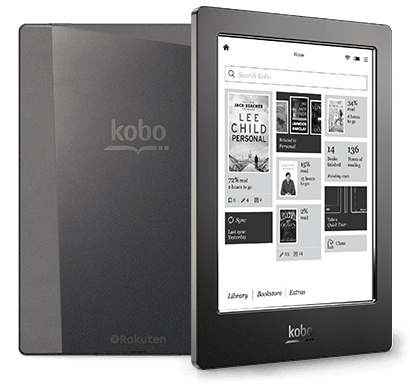
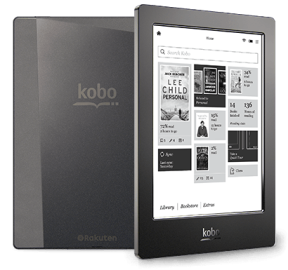
The latest product from the Canadian manufacturer boasts an impressive 265 PPI (pixels per inch) which beats rival product Kindle Paperweight (212 PPI), providing a much clearer, larger paper-like screen, though it’s a little heavier than the Kindle. Perhaps its most useful feature is that it’s waterproof, meaning people who would like to use their eReader by the pool or in the bath can finally relax and enjoy their reading anywhere, anytime.
2.      Fitness tracker: Epson Runsense and Pulsense
Runsens_400.png
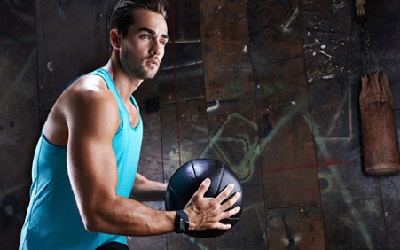
A new addition to the wearables market, Runsense and Pulsense offer a complete wearable package for the first time. Runsense is aimed at runners and includes an inbuilt GPS system to track performance and offer accurate real-time data on screen. Runsense is a serious product for fitness enthusiasts, while Pulsense is useful for anyone looking to improve their fitness and track their general health.

The Runsense monitors your individual technique to help improve performance, and has a huge battery life of 30 hours with GPS activated.

Pulsense is an activity monitor, rather than a dedicated running tracker. The Pulsense tracks heart rate and movement to calculate calories burned throughout the day and monitors everyday activity (including sleep patterns) to give users an accurate picture of their fitness to enable improvements where needed. The Pulsense is one of the first activity trackers to include an inbuilt heart rate monitor, adding a vital feature to the wearables market.
3.      Connected home: Hive Smart Thermostat
kit
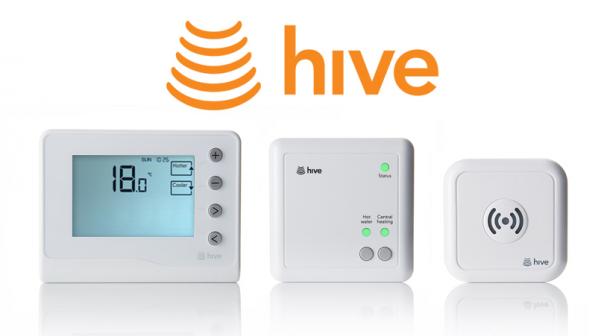
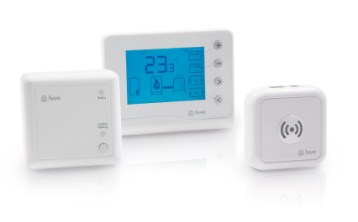
Hive is a simple-to-use device which enables cost-conscious consumers to have full control over their heating. By being able to remotely control heating from anywhere with an internet connection or 3G, people can save up to £150/year on their heating bills by only having the heating on when it’s needed, rather than on a fixed schedule. The price even includes set-up of the device, so factoring in potential savings, there’s few reasons not to invest in one this Christmas.
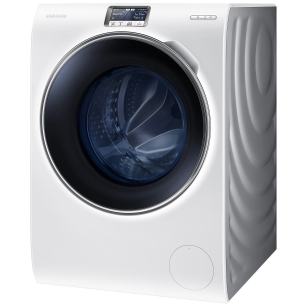
4.      Family tech: Samsung WW9000 10kg ecobubble Touchscreen Washing Machine
233380745alt1
The Samsung WW9000 ecobubble is a top of the range washing machine, and you get an awful lot of washing machine for the money. Growing families with a lot of washing will benefit from a number of time- and money-saving features.

Its touchscreen removes the complicated array of buttons you find on some washing machines and its customisable settings can be set as favourites, meaning you can start a wash within seconds of loading the drum. It even detects how heavy the load is and adds the right level of detergent to each wash. It also works with Samsung phones to keep track of how a wash cycle is progressing and can be remotely started and stopped.

Other features include Samsung’s ecobubble technology which dissolves detergent at lower temperatures, removes dirt more effectively and enables quicker washing. It’s also a very quiet device. Its intelligence, convenience and design make it a great gift-to-self for parents of large families.
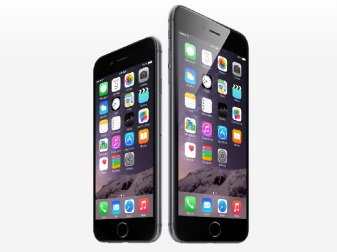
5.      Smartphone: Apple iPhone 6 Plus
iPhone-6-release_337
It’s hard to leave out Apple’s newest iPhone design in a list of best gadgets this Christmas. The sleek new design with a crisp display far exceeds what the competition can offer. IPS Retina HD technology is the cutting edge of phone design. The quality of the display is as good as a MacBook Pro. The display is also less saturated than other similar phones, producing deeper, darker colours and sharper text.

The battery life is also excellent, especially given its size, and can easily be used for a full day without the need to recharge. Ultimately, it’s the best iPhone to date, and finally gives Apple users a choice when it comes to handset size – something Android users have been boasting about for years.
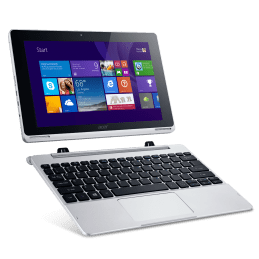
6.      Tablet/laptop: Acer Aspire Switch 10
AspireSwitch10_SW5-012_sku-zoom-big
The new Aspire Switch 10 is a hybrid between tablet and laptop, with a detachable screen for those who want web browsing and word processing on the go. Battery life is fairly impressive for a hybrid device, as it can last around six hours streaming HD films. The magnetic hinge which connects the tablet and keyboard is high quality. Buyers can choose between a 32GB and 64GB model, however it also has a micro SD card slot and an optional 500GB hard drive in the keyboard, meaning there’s more than enough storage space for films and photos.

It comes with Windows 8.1 and is an affordable proposition for those who prefer tablets, find laptops too cumbersome, but require a laptop’s functionality from time to time.
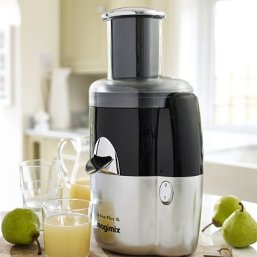
7.      Kitchen accessories: Magimix Le Duo Plus XL Juice Extractor
17877_1
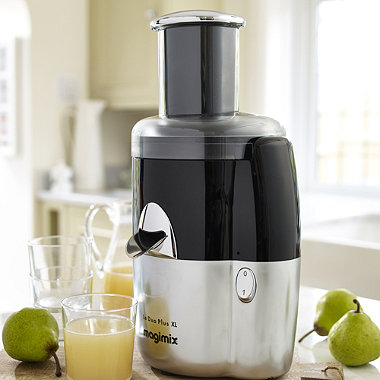
The Magimix juicer is a versatile addition to a kitchen, functioning as a juice extractor, coulis maker, citrus press, and smoothie maker. It pours right into the glass making preparation easier.

Unlike some juicers it can effectively juice soft fruits like bananas and turn cooked vegetables into a jus or puree. It can take large pieces of fruit through an extra-large feedtube, minimising the time it takes to juice larger fruits such as grapefruit.

The 400 watt motor is covered by a 20-year guarantee and all removable parts are dishwasher safe and protected by a three-year guarantee. Cleaning is made easier by a shaped spatula for easy pulp removal. It also comes with a recipe book to get you started on vegetable purees and healthy smoothie ideas.
8.      TV tech: Chromecast
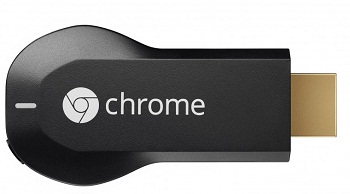
Chrom_350.png
Chromecast is an incredible device which lets you wirelessly ‘cast’ (stream) content from your laptop or mobile onto your TV screen via HDMI. It can stream video via apps, including Netflix and YouTube, but can also stream an open Chrome browser from your laptop or phone, meaning any content on the internet can be enjoyed on your TV screen without the need for an unsightly cable.

Essentially it turns any TV into a Smart TV, and for such a low price, that’s a bargain.
9.      Audio: Pure Jongo T4 Wireless Speaker
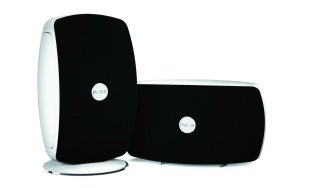
Jongo T4
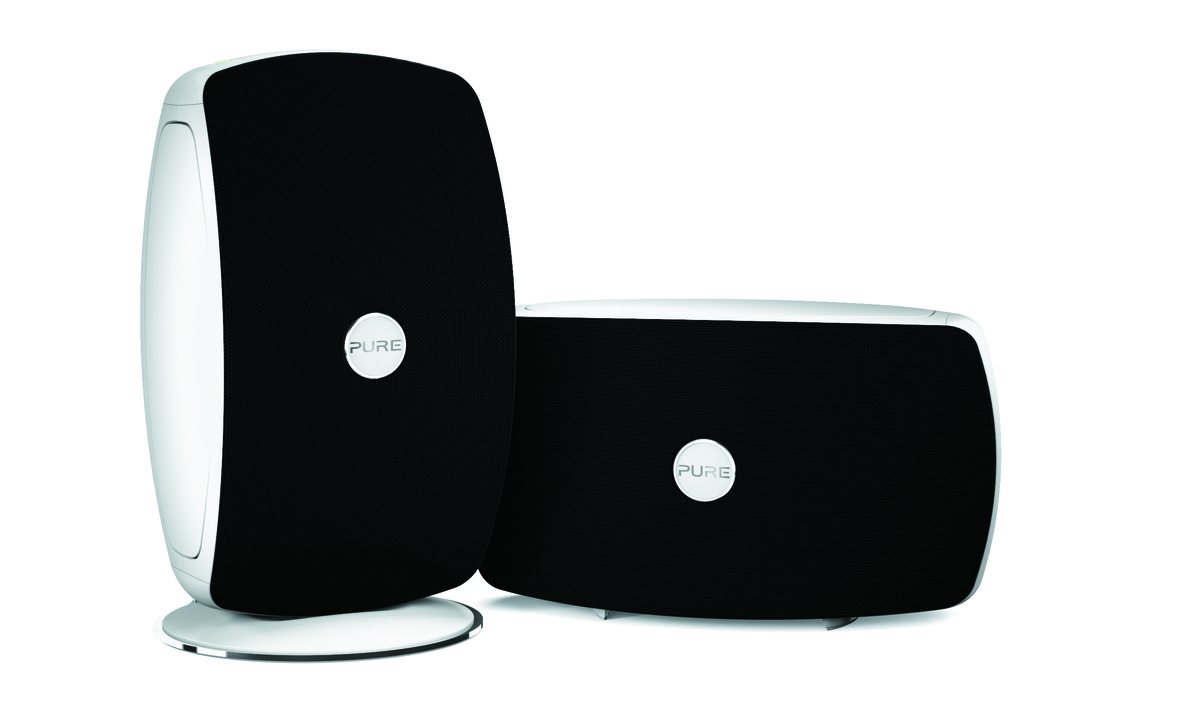
Brilliant quality speaker, but real quality is in the wireless features – can stream music from many devices over Bluetooth or Wi-Fi and play music anywhere in the house.

Combine multiple speakers together to use as a hifi system, or keep speakers in different rooms of the house to stream music from a single device to each speaker.

Can use any streaming service with the speakers – Spotify works perfectly, and can even use iPlayer to watch shows on your phone whilst playing sound through the Jongo. Can even control volume from phone just using the normal volume control buttons.

Seamless streaming make the Jongo T4 a step in the right direction for wireless speakers and music streaming in the home.
10.  TV: Samsung 65” Series 7 HU7200 Smart UHD LED TV
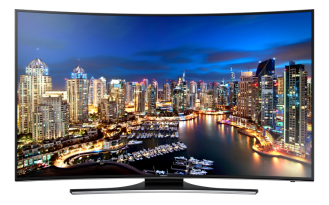
au_UA65HU7200WXXY_001_Front_black
This 65” Samsung TV is arguably the most innovative in the market in terms of the features it offers. It might be the most expensive item on the list, but Samsung has developed it to be future proof, as it can update to be compatible with future upgrades to UHD quality.

The Smart UHD TV is wide-angled and curved to enable optimum viewing with a wider picture and clearer images. It also up-scales non-UHD sourced video content to near UHD-level quality, even converting DVDs to an almost ultra high definition level.

Other features include the ability to switch between screens with ease, for example to pause a film and browse the web to find out more information on an actor before switching back. It also has voice-activated browsing which means users can quickly find out whether it’s going to rain by asking their TV.

As a Samsung it also boasts Samsung connectivity to stream content from a Samsung tablet or smartphone.

It’s arguably the most immersive TV on the market – if you love movie watching and want a real quality experience, then this is the perfect choice.


Read more at: http://www.londonlovesbusiness.com/lifestyle/christmas-in-london/the-10-best-gadgets-for-christmas-2014/9269.article

Tagged , , , ,

As has Tesco, Amazon has increasingly diversified away from its core, but at what cost?

amazon fire banner

Amazon’s latest quarterly results have raised more than a few eyebrows in the business world. Despite its position as a sell-anything-to-anyone internet retailing organisation, it posted significantly larger losses [$544 million] than expected, and warned that Q4 2014 looks set to further disappoint.

Yet investors will be well aware that it doesn’t take much for a loss-making online company with such a global reach to generate significant profit. Just look at Facebook, which went from a loss of $138m in 2007 to over $1bn in the black five years later.

However, Amazon has been growing rapidly since it was founded in 1995 and investors might well be tiring of its struggle to turn vast revenue into consistent profits for shareholders. Amazon continues to expand and grow, but fails to yield profit despite being a global brand with huge recall.

Amazon’s continued focus on developing new products and services, often unrelated to its core function as an online retailer, perhaps risks alienating consumers.

As Tesco has recently shown, even huge retailers can see their revenue drop significantly – in Tesco’s case predominantly to discount supermarkets.

Tesco’s focus on huge outlets offering not just traditional groceries but also a wide variety of products and services – such as mortgages and mobiles – coupled with bad PR has seen it alienate its core consumer base. Equally, its efforts to pull in digitally savvy consumers with its budget tablet Hudl and video-on-demand service Blinkbox haven’t caught the public’s imagination as much as Tesco would have hoped.

Tesco is now in the difficult position of having to sell off these peripheral offerings, partially floating Tesco Bank and potentially closing or selling the loss-making video-on-demand service Blinkbox, and getting back to its core retail offering.

For Amazon, however, profits have been hit by the online retailer’s heavy spending on acquisitions, enabling it to move into new product categories, such as its Amazon Fresh grocery delivery service in the US. Yet, at what cost is this to the future of the business?

As Tesco has sorely demonstrated, there’s a fine line between expanding into new areas that consumers want, and over-expansion, which leaves consumers behind and looking elsewhere.

Amazon needs to focus on what consumers want and needs to place this at the heart of any new offering. As former Tesco chief executive Sir Terry Leahy said, the retailer had “focused too much on what it isn’t, rather than remembering what it is”.

As at Tesco, Amazon has increasingly diversified away from its core – the online retail environment – one that many consumers feel loyalty towards and consistently buy from to fit in with their busy lifestyles.

Take the Amazon Fire phone, which has proved to be unsuccessful so far for Amazon. The company wrote off $170m worth of inventory following a lack of sales, which is a staggering 40 per cent of the recent net loss it posted. The smartphone market is highly competitive and despite a great product it seems Amazon gambled on consumer loyalty, which hasn’t translated into sales for the Fire. After all, just because I like Amazon for buying gifts, doesn’t mean I want the Fire phone. It also doesn’t mean I want them to deliver my groceries once a week.

For example, many will sign up to Amazon Prime for the free next-day delivery, which saves money for anyone who regularly purchases on the site and wants their items quickly. Prime subscribers also get access to one title per month from a digital library of Kindle titles and access to Prime Instant Video (usually £5.99 a month). Amazon even announced recently that Prime subscribers can benefit from unlimited photo storage, previously only available to owners of Fire devices. It’s a great range of services for a relatively low fee, but perhaps consumers are still left wondering whether Amazon is a delivery company, a media company or an online grocer.

Tesco made the mistake of attempting to be everything to everyone and we’ve seen the results. Amazon needs to be disciplined about who it is trying to reach, when it wants to reach them and how its offering can help enhance their lifestyle. There are other established brands and retailers who specialise, not dabble. Consumers have a choice and we must never underestimate the importance in providing a seamless customer journey only traditional specialist brands and retail can deliver.


Read more at: http://www.ertonline.co.uk/Default.aspx.LocID-05nnew3m8.RefLocID-05n03s004.Lang-EN.htm

Tagged , , ,

Celebrity Endorsements Have the Potential to Transform a Brand

gandy banner

Historically, sporting personalities have proved the most successful, though there are exceptions. The most memorable and longstanding endorsements involve a great match between the values of a brand, the quality and type of product, and the right celebrity face to champion it. For example, Michael Jordan and Nike created possibly the founding father of the “mega” celebrity endorsement when they teamed up in 1984 and Gary Lineker’s long-term association with PepsiCo and their Walker’s crisps brand in the UK works so well because both the brand and celebrity are down-to-earth and originate in Leicester. Outside of sport, George Clooney and Nespresso are such a good fit because both have an air of sophistication and suavity which neatly complements the other.

Meanwhile, badly thought out endorsements have the potential to negatively impact a brand. However, there’s a new breed of celebrity endorsement that goes beyond these examples of the traditional transient coming together of a celebrity and brand. It has the power to completely transform the performance of a brand, without sacrificing any of the equity or integrity of the celebrity. By evolving beyond paying a celebrity for their involvement alone and instead giving them a voice and, more importantly, a stake in the product, stronger ties are formed between brands and celebrities. Simply put, celebrities will be more willing to get involved with a brand partnership if it helps raise their profile and ultimately their bank balance. It’s not a new phenomenon – one of the best examples of this kind is the George Foreman Grill, which has sold over 100 million units for Salton since 1994, with Foreman taking 45 per cent of the profit.

celebrity endorsements image 1
Recently, in addition to his already successful partnership with H&M, David Beckham teamed up with drinks brand Diageo to launch Haig whisky, aimed at people who don’t think they like whisky. This is a shrewd bit of branding, an icon to many who imitate his style, many consumers might not think of David Beckham as someone who likes whisky but think again, the stylish Millennials as portrayed in the high profile Guy Ritchie directed ATL may make you change your mind – or at least try it.

This clearly goes further than being a celebrity endorsement and Beckham is no mere brand ambassador. Instead, it’s a business partnership, with Beckham surely being one of the reasons the whisky is being packaged in its uniquely square blue bottle, rather than the more traditional tall clear bottles, immediately placing itself apart from the fusty whisky crowd. And, while the terms of the partnership weren’t disclosed, one imagines that Beckham has a financial interest in the success of the brand, which gives him a reason to be more deeply involved in its success or failure. It’s likely Diageo hopes to replicate the previous success of its brand Ciroc’s partnership with Sean ‘Diddy’ Combs in 2007. Comb’s partnership with Diageo saw sales jump 40 fold, and led to a subsequent 50/50 partnership between the two for DeLeon Tequila, which sells for between $120-1000 per bottle. As Combs said at the time of the DeLeon deal, “With Ciroc we dated. Now with DeLeon, we’re married. This deal is way better.”

Interestingly, this new model of brand partners and ambassadors has even spread beyond brands such as Rimmel with Rita Ora, but also to the high street; look at the aforementioned H&M collaborations, Dorothy Perkins with Kim Kardashian, and Top Shop with Kate Moss. So when David Gandy and M&S announced their partnership, many industry jaws dropped. To most, M&S pants conjures images of Middle England, and perhaps middle-aged men who aren’t that interested in fashion but want reliable, quality underwear to wear. But by going into partnership with David Gandy, M&S has made a huge statement. It’s potentially transformative for its menswear section and, more specifically, consumer perception of the M&S brand globally.

David Gandy isn’t just the model face on the posters and adorning buses, he also had an active role in the design of the new range. By being involved in the product development, he will undoubtedly gain from their sales, clearly a strong collaboration. Some of the UK media commented that it risks alienating some of M&S’s core market, but to me it’s obvious that by forming such a daring partnership with arguably the world’s most recognisable male model, M&S are targeting a new demographic by taking the brand into Calvin Klein territory, opening the door to a much younger male audience and perhaps those men who still have their underwear bought by their significant other. Gandy and M&S may well have just pulled off the most surprising and profitable celebrity endorsement of the year, the benefits of which will no doubt extend across many categories and territories.


Read more at: http://www.brandingmagazine.com/2014/11/11/celebrity-endorsements-have-the-potential-to-transform-a-brand/

Tagged , , , , ,